
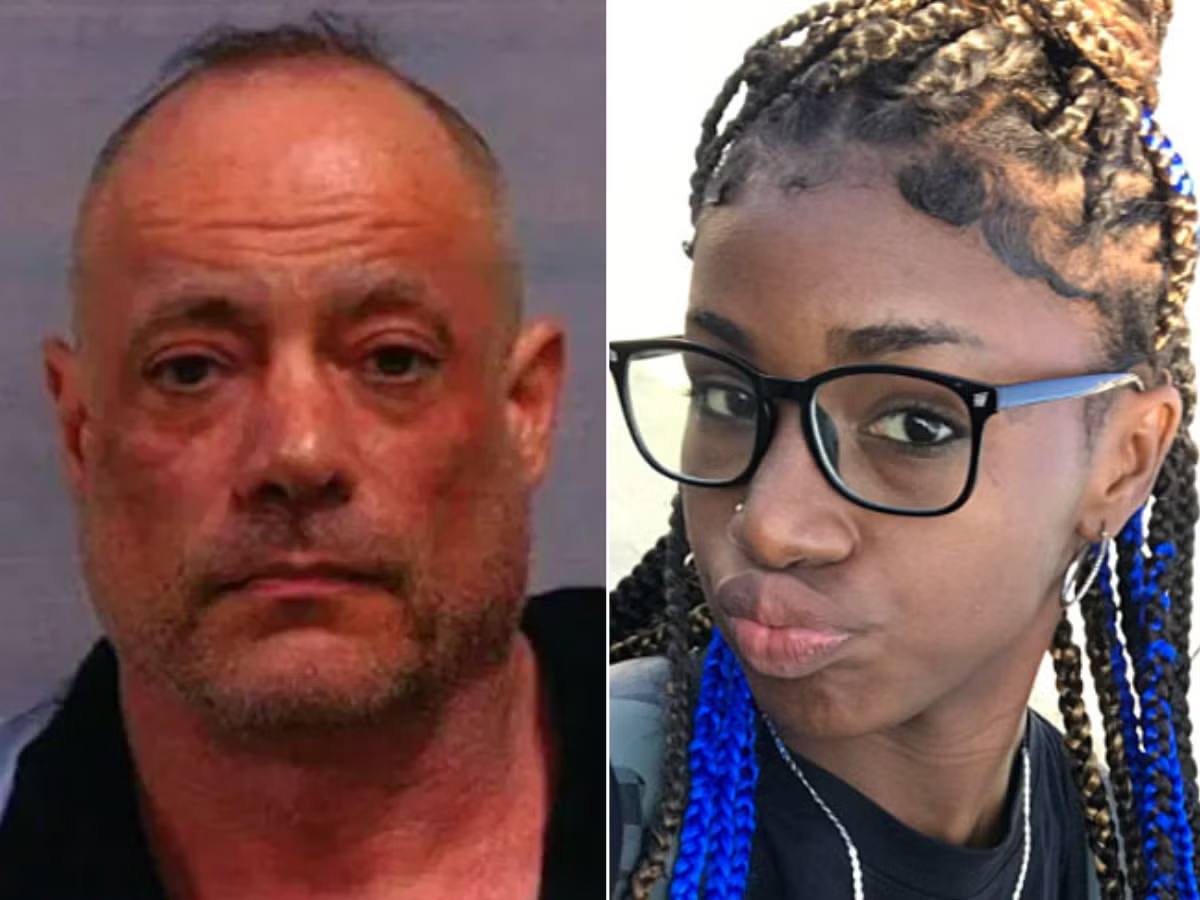
The disappearance of 17-year-old T’Neya Tovar in Southern California late in 2025 set off an investigation that would eventually lead to a grim discovery in the desert and the arrest of a 51-year-old man now facing murder charges. What began as a missing person case involving a teenage girl who abruptly stopped communicating with her family has developed into a criminal case involving human remains, forensic identification, and a coordinated law enforcement operation.
Authorities say the investigation moved forward through a combination of digital tracking, witness accounts, forensic testing, and search warrants, culminating in the arrest of Abraham Feinbloom. The case has drawn attention due to both the disturbing nature of the evidence and the timeline of events linking the disappearance of the teenager to the discovery of human remains weeks later.
Disappearance and Early Investigation
T’Neya Tovar was reported missing on December 1, 2025, after leaving her home in Hemet, California. According to investigators, she traveled more than 70 miles that day to the Thermal area, where authorities believe she intended to meet an unidentified individual. Her disappearance quickly raised concern among family members, particularly because her communication patterns changed abruptly. Her mother later stated that Tovar typically shared her location with family and friends, making her sudden silence unusual and alarming.
The loss of contact triggered immediate concern that something had gone wrong during her travel. Investigators began reconstructing her movements through available data and witness information, attempting to determine who she may have been planning to meet and why she traveled such a significant distance from home. The gap between her departure and the cessation of communication became a central focus of the investigation.
Law enforcement agencies treated the case as a high-priority missing juvenile matter. Investigators worked to establish a timeline of events, including the route she traveled and the last known point of confirmed contact. Authorities also sought information from individuals who may have interacted with her on the day she disappeared. As days turned into weeks, the lack of confirmed sightings or communication heightened fears about her safety.
Family members continued to cooperate with investigators, providing personal information, communication history, and any details that might help determine her intentions or identify individuals she may have been in contact with. Officials also issued alerts and appeals for public assistance in locating the missing teenager. Despite these efforts, no immediate breakthrough emerged in the early weeks of the search.
The Imperial County Sheriff's Office arrested a Thermal man, Abraham Feinbloom, following a search warrant served this past Friday at his residence in connection with the disappearance and alleged murder of T'neya Tovar, who was last seen in early December. Feinbloom, who is… pic.twitter.com/XCvNBODQWK
— FBI Los Angeles (@FBILosAngeles) February 18, 2026
The investigation remained active through December, with authorities continuing to examine potential leads. During this period, search efforts extended beyond her home region, reflecting the distance she had traveled before disappearing. Investigators focused on areas connected to her known movements, including the desert region near Thermal, which would later become central to the case.
Discovery of Human Remains and Identification
On December 21, 2025, authorities discovered a decomposing human leg in the Vista Delmar area of the California desert. The discovery marked a turning point in the investigation. The condition of the remains indicated that they had been exposed to the environment for a significant period, prompting forensic examination to determine identity and cause of death.
Investigators immediately began the process of securing and analyzing the remains. Given the ongoing missing person case involving T’Neya Tovar, authorities considered the possibility that the discovery might be connected. However, confirmation required scientific verification through forensic analysis.
DNA testing was conducted to establish identification. Authorities obtained a DNA sample from Tovar’s mother, which was compared to genetic material recovered from the remains. According to officials, rapid DNA analysis produced a positive match, confirming that the remains belonged to the missing teenager. This identification formally transformed the case from a missing person investigation into a homicide inquiry.
Read : NBC’s TODAY Show Anchor Savannah Guthrie’s Mother Reported Missing
The confirmation provided investigators with both a breakthrough and a tragic development. Establishing identity allowed law enforcement to narrow their focus toward determining how the teenager died and who may have been responsible. The discovery site became an active investigative location, with authorities examining the surrounding area for additional evidence.

Forensic specialists evaluated the condition of the remains and environmental factors that may have affected decomposition. Investigators also worked to determine whether the remains had been moved or whether the location represented the original site where they were left. Each detail became part of a broader effort to reconstruct events following Tovar’s disappearance.
The identification also intensified investigative efforts to identify individuals who had contact with her prior to her disappearance. Detectives analyzed communication records, travel data, and possible meeting arrangements. The earlier report that she had traveled to meet an unknown person gained increased significance as investigators sought to determine who that individual might be and whether they were connected to the discovery of the remains.
As the investigation progressed into early 2026, authorities gathered information that led them to focus on a specific suspect. This development set the stage for a coordinated law enforcement action involving multiple agencies.
Arrest of Abraham Feinbloom and Legal Background
On February 13, investigators executed a search warrant at a residence in Salton City believed to be connected to 51-year-old Abraham Feinbloom. The operation involved local deputies working alongside federal agents. Authorities arrived at the property prepared to secure evidence and question the suspect in connection with the ongoing homicide investigation.
According to officials, Feinbloom attempted to evade law enforcement when officers arrived. Investigators reported that he jumped a fence in what they interpreted as an effort to avoid capture. However, authorities quickly apprehended him. He was taken into custody and turned over to federal agents for questioning while investigators processed the residence for potential evidence.
Following his arrest, Feinbloom was booked on suspicion of murder and resisting a peace officer. Authorities have not publicly detailed all evidence recovered during the search, but officials indicated that the warrant was part of an ongoing effort to gather material related to the death of T’Neya Tovar.
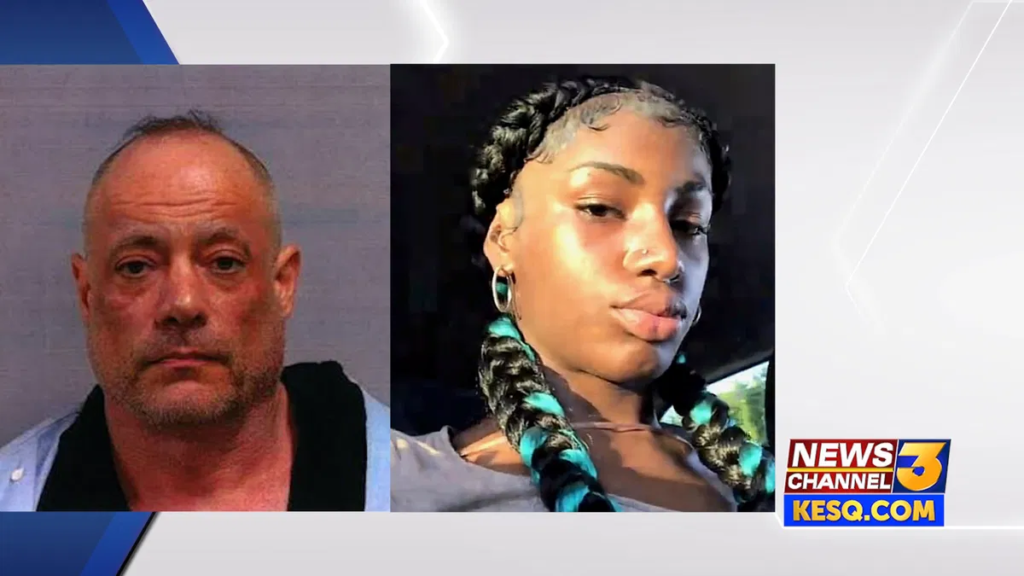
The arrest also brought renewed attention to Feinbloom’s legal history. Court records indicate that he had previously faced felony kidnapping charges in Imperial County. Those charges were dismissed in January 2019 after a preliminary hearing. While those earlier allegations did not result in a conviction, they became part of the broader background examined by investigators and prosecutors in the current case.
Feinbloom is currently being held without bail at the Imperial County Jail. Prosecutors are expected to pursue charges related to the death of the teenager, while investigators continue to analyze evidence collected during the search of his home. The case remains under active investigation, with authorities working to establish a full account of the events leading to Tovar’s disappearance and death.
Law enforcement agencies involved in the investigation have emphasized the collaborative nature of the case, noting that local deputies and federal authorities worked together throughout the process. The use of forensic identification, search warrants, and coordinated arrest efforts reflects the multi-stage progression of the investigation from missing person report to homicide case.
The timeline from disappearance to discovery and arrest spans more than two months, illustrating the complexity of investigations involving limited initial evidence and remote discovery locations. Authorities continue to examine physical evidence, communication records, and witness information to build the prosecution’s case.
Meanwhile, the arrest marks a significant development but does not conclude the legal process. Prosecutors must present evidence supporting the charges, and the case will proceed through the court system. Investigators remain focused on ensuring that all relevant evidence is documented and analyzed as proceedings move forward.
The investigation continues to center on reconstructing the sequence of events beginning with Tovar’s departure from her home in early December, her travel to the Thermal area, the discovery of her remains later that month, and the subsequent search and arrest operation in February. Each stage represents a critical component of a case that evolved from a missing juvenile report into a homicide prosecution based on forensic confirmation and investigative findings.