
In a shocking incident that has gripped the United Kingdom, a terrorist attack unfolded outside the Heaton Park Hebrew Congregation synagogue in Manchester on October 3, 2025, during evening prayers on the Jewish holy day of Yom Kippur. What began as a vehicle ramming and stabbing assault quickly escalated into a deadly confrontation involving armed police, resulting in two fatalities among worshippers and the death of the attacker.
Greater Manchester Police have confirmed that one of the victims, Adrian Daulby, was likely struck by gunfire from officers as they neutralized the threat. The event has raised profound questions about rapid police response in high-stakes situations, community security, and the rising tide of antisemitic violence. As investigations continue, the focus remains on piecing together the seven minutes of chaos that left a community in mourning.
The Assailant’s Rampage: From Suspicion to Deadly Assault
The attack commenced around 7:15 p.m. local time, as approximately 100 worshippers gathered inside the synagogue for Yom Kippur services. Eyewitnesses reported spotting a man behaving suspiciously near the entrance shortly before the incident. Synagogue security personnel confronted him, prompting him to retreat temporarily. However, within 15 minutes, the individual returned, this time behind the wheel of a rented white van.
According to police reconstructions, the attacker accelerated the vehicle directly into a group of pedestrians exiting or near the synagogue, striking several people and causing immediate panic. The van came to a halt after crashing into the synagogue’s perimeter fencing. Emerging from the wreckage, the assailant—armed with a large kitchen knife—launched a frenzied stabbing attack, targeting those closest to him in an apparent bid to breach the building. Shouts of alarm echoed through the evening air as worshippers barricaded the doors from inside, while a handful of brave individuals outside attempted to intervene.
The attacker, identified as 35-year-old Jihad Al-Shamie, a British citizen of Syrian descent residing in Bolton, was not a stranger to law enforcement. Just weeks prior, he had been arrested on suspicion of rape in connection with an incident involving a woman in her 20s. Released on bail pending further inquiries, Al-Shamie had not been formally charged. Counter-terrorism officials now believe he harbored extreme Islamist ideologies, though a definitive motive remains under scrutiny. A preliminary search of his vehicle and person revealed a crude device strapped to his torso—a fake explosive vest fashioned from household items, intended perhaps to sow additional fear but posing no real detonation risk.
Al-Shamie’s movements in the preceding days paint a picture of escalating radicalization. Neighbors in his Bolton apartment block described him as reclusive, occasionally heard muttering prayers in Arabic late into the night. Digital forensics teams are combing through his devices, uncovering encrypted messages exchanged with overseas contacts sympathetic to jihadist causes. While no direct links to organized terror groups like ISIS have surfaced yet, authorities suspect self-radicalization via online propaganda. This attack marks a grim escalation in what police describe as a “concerning uptick” in lone-actor incidents targeting Jewish sites across Europe, amid broader geopolitical tensions.
Read : Instagram Royalty: The Top 10 Celebrities Dominating Social Media
The rampage lasted mere minutes but inflicted maximum trauma. Initial reports tallied five people struck by the vehicle or knife, with injuries ranging from fractures and lacerations to more severe wounds. Synagogue leadership later credited the quick actions of security volunteers with preventing the attacker from gaining entry, potentially averting a massacre inside the prayer hall.
Heroes in the Fray: The Victims’ Courage and Tragic Fates
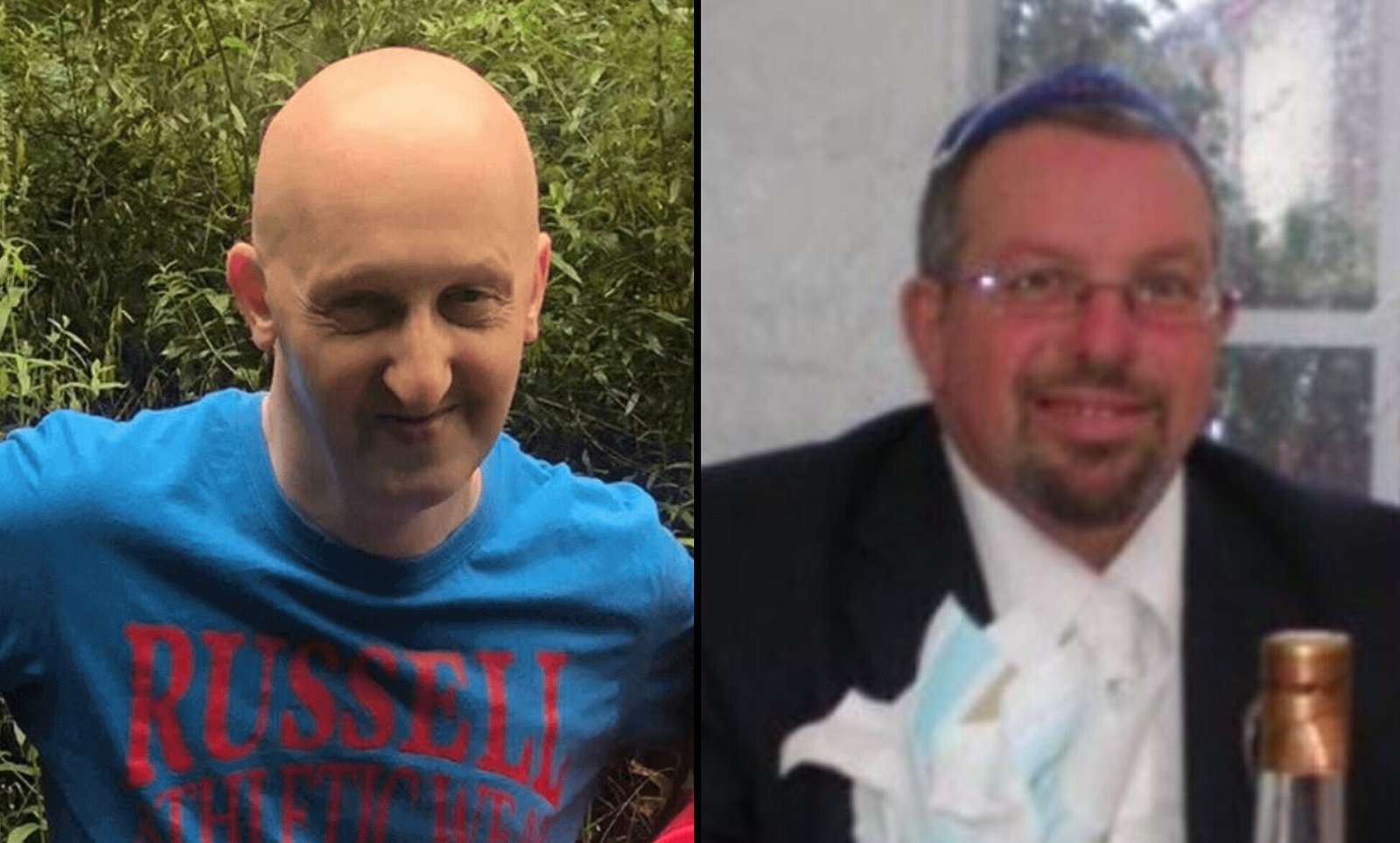
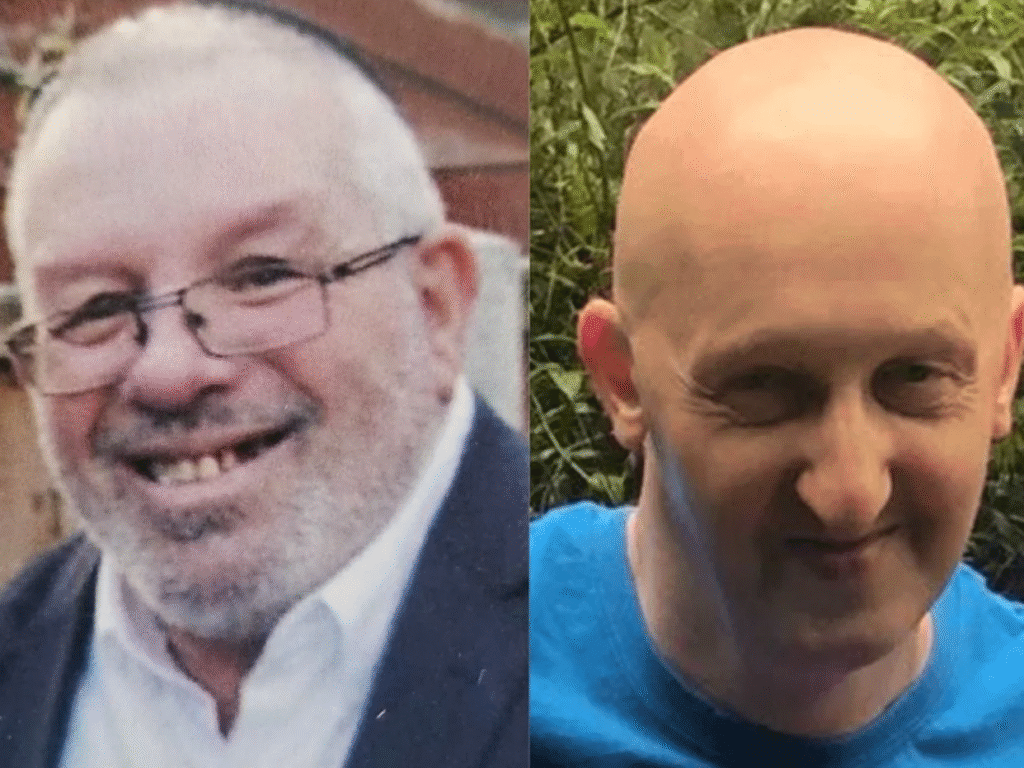
Amid the horror, two men emerged as unlikely guardians, paying the ultimate price for their valor. Adrian Daulby, 53, a local accountant and devoted father of three, was among those who rushed to confront the intruder after the van plowed into the crowd. Described by his rabbi as a “quiet pillar of the community,” Adrian Daulby had attended the synagogue sporadically but was there that evening to support a friend recovering from illness. Family statements portray him as a “lovely, down-to-earth man” whose dry humor and unwavering loyalty endeared him to all. In the chaos, Daulby positioned himself near the synagogue door, using his body and a nearby bollard to block the attacker’s path.
Melvin Cravitz, 66, served as a volunteer security guard at Heaton Park Hebrew Congregation for over a decade. A retired engineer and grandfather, Cravitz was known for his gentle demeanor and fierce protectiveness toward “his flock,” as he affectionately called the congregants. On this holiest of days, he was stationed at the entrance, clipboard in hand, when the assault began. Eyewitnesses recount Cravitz charging forward, tackling the knife-wielding assailant and wrestling the weapon away long enough for others to pile on. “He was the kind of man who would do anything to help anyone,” his daughter said in a heartfelt tribute, emphasizing his lifelong commitment to tikkun olam—the Jewish principle of repairing the world.
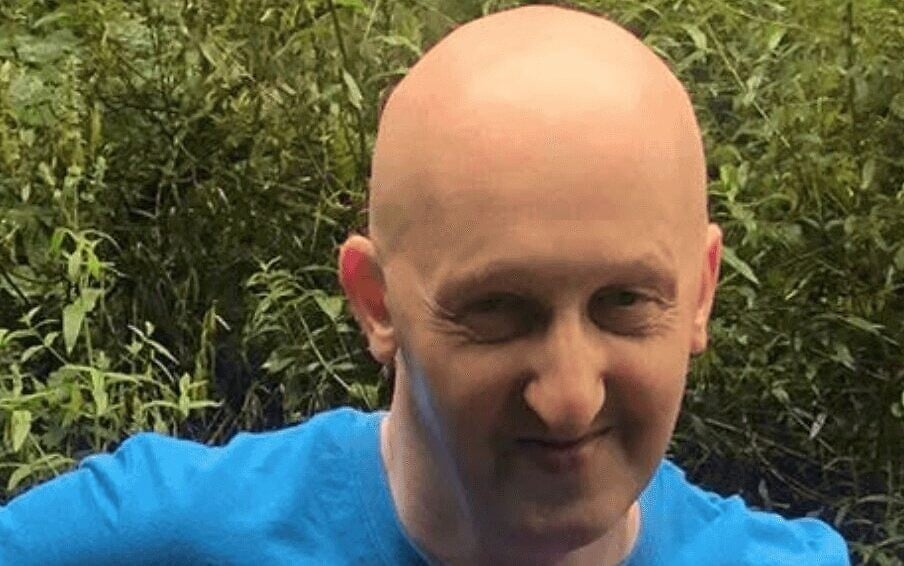
Tragically, both men did not survive the night. Cravitz succumbed to multiple stab wounds at the scene, his efforts buying precious seconds for police arrival. Adrian Daulby’s death, however, carries an added layer of sorrow and complexity. Ballistics analysis by Greater Manchester Police indicates he was struck by a bullet—likely a ricochet or stray shot—from one of the responding firearms officers. Positioned just behind the door with Cravitz, Adrian Daulby was mere feet from the confrontation when officers opened fire. A second worshipper, a 42-year-old woman whose identity remains protected, sustained a non-life-threatening gunshot wound to the shoulder in the same exchange. She underwent surgery and is recovering in stable condition.
Police Chief Constable Steve Watson addressed the development with measured gravity during a Friday morning briefing: “Our officers acted decisively to neutralize an imminent threat, but we deeply regret any unintended harm to innocent bystanders. The loss of Adrian Daulby is a profound tragedy, and our thoughts are with his family.” Forensic teams have recovered shell casings and are tracing trajectories, confirming that all discharges came from authorized GMP weapons. No evidence suggests the attacker was armed with a gun; his lethality stemmed solely from the vehicle and blade.
The synagogue community, numbering around 300 families, has rallied in grief. Vigils lit up Manchester’s streets Thursday night, with interfaith leaders joining Jewish representatives in condemnation. Prime Minister Keir Starmer, speaking from Downing Street, hailed Adrian Daulby and Cravitz as “heroes who embodied the best of British resilience,” while pledging enhanced protections for places of worship nationwide.
Reckoning and Resolve: Investigations, Arrests, and Path Forward
The aftermath has triggered a multifaceted probe, blending criminal, counter-terrorism, and oversight elements. The Independent Office for Police Conduct (IOPC) initiated an independent inquiry at noon on October 3, zeroing in on the firearms deployment. IOPC Director Emily Barry emphasized that the review will examine “every aspect of the officers’ actions,” including training protocols and decision-making under duress, without prejudging outcomes.
Ballistics experts are dissecting the sequence: how many rounds were fired (preliminary count: eight to ten), by how many of the four on-scene officers, and whether any passed through the attacker before striking victims. Parallel to this, Counter Terrorism Policing North West leads the manhunt for accomplices. By Friday evening, six individuals—three men and three women, aged 18 to 46—were in custody on suspicion of assisting in the commission, preparation, or instigation of terrorism acts.
The latest trio, arrested in dawn raids across Greater Manchester and Cheshire, include a mid-40s woman linked to Al-Shamie’s online circle. Warrants have been issued for extended detention, with searches yielding burner phones, radical literature, and traces of vehicle rental documentation. Head of Counter Terrorism Policing, Laurence Taylor, cautioned that while Al-Shamie appears to have acted primarily alone, “no stone will be left unturned” in rooting out any support network.
Broader security implications loom large. Metropolitan Police Commissioner Mark Rowley announced the deployment of 350 additional officers to London’s Jewish neighborhoods over the weekend, citing risks of copycat attacks or retaliatory incidents. This comes amid heightened alerts following pro-Palestinian demonstrations, which Starmer urged to proceed “with respect for the grief of British Jews.” Deputy Prime Minister David Lammy, attending a solidarity vigil, faced brief heckling but reaffirmed the government’s zero-tolerance stance on hate crimes.
As Manchester heals, the attack underscores vulnerabilities in urban Jewish life. Heaton Park, a modest venue serving a tight-knit Orthodox community, had bolstered its safeguards post-October 7, 2023, events in Israel—metal detectors, CCTV upgrades, and volunteer patrols. Yet, the speed of this assault highlights the limits of such measures against determined lone wolves. Community leaders call for sustained funding for faith-based security grants, while mental health advocates note Al-Shamie’s unreported isolation as a potential red flag missed by social services.
In the days ahead, funerals for Adrian Daulby and Cravitz will draw national attention, serving as stark reminders of sacrifice amid division. For now, Manchester stands united in defiance, honoring two men who turned terror’s tide at the synagogue door. The full truth may take months to emerge, but one certainty endures: in the face of evil, ordinary courage proved extraordinary.