
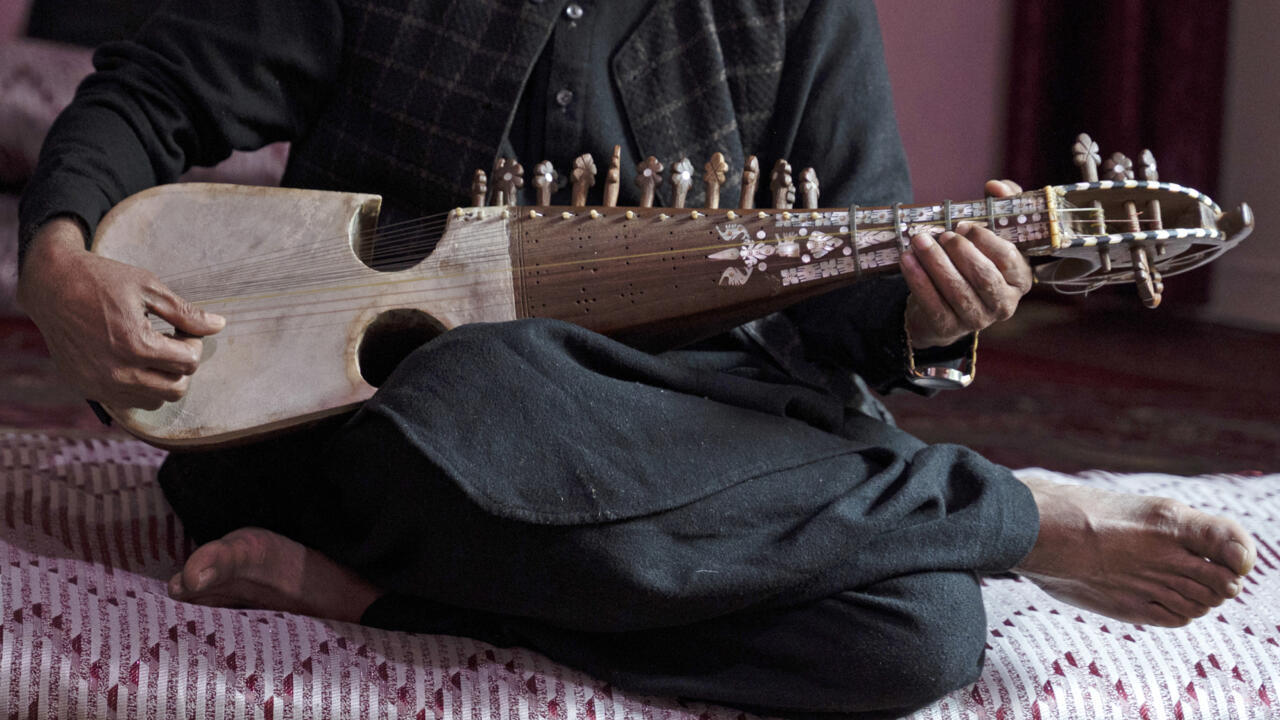
Afghani rubab, a symbol of cultural pride and heritage, faces a bleak future as the Taliban’s stringent ban on music threatens its very existence. The lute-like instrument, revered for its rich history and soulful sound, is at the heart of Afghanistan’s musical tradition.
Despite its deep-rooted significance, the rubab’s resonance grows faint under the current regime’s crackdown on music, considered un-Islamic in their strict interpretation of Islamic law.
The Heritage of the Afghani Rubab
The rubab is not merely an instrument; it is a testament to the rich cultural fabric of Afghanistan. Crafted from dried mulberry wood and adorned with intricate mother-of-pearl inlays, it has been a cornerstone of the region’s artistic identity for thousands of years.
Recognized as an intangible cultural heritage by UNESCO, the rubab’s significance extends beyond Afghanistan to Iran, Tajikistan, and Uzbekistan.
In the city of Herat, Sakhi, a dedicated craftsman, continues to create two rubabs each month, surrounded by wood shavings in his modest workshop. His devotion transcends monetary gain; it is a commitment to preserving a legacy.
Read : Afghan Taliban strike back at Pakistan
“The heritage must not be lost,” he says, echoing the sentiments of countless Afghan artisans and musicians. For Sakhi and others like him, the instrument is not just an instrument—it is a vessel carrying the soul of a nation’s history and culture.
The Taliban’s Music Ban: A Death Knell for Tradition
Since their return to power in 2021, the Taliban have imposed draconian restrictions on music, shuttering schools, smashing instruments, and silencing performances.
Public broadcasts, including radio and television, are devoid of music, and even casual listening in cars or restaurants is forbidden. Musicians, once celebrated for their artistry, now live in fear, many fleeing the country or abandoning their craft altogether.
This cultural purge is not unprecedented. During their previous rule from 1996 to 2001, the Taliban similarly suppressed music, allowing only Islamic poetry and unaccompanied vocal chants. Today, they encourage former musicians to channel their skills into religious compositions, erasing the diversity that once characterized Afghan music.
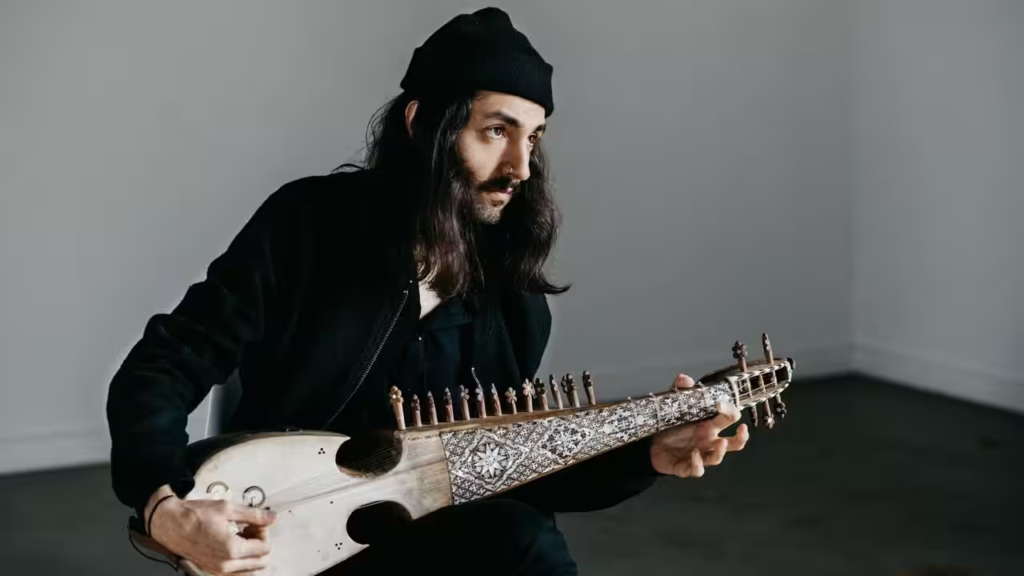
For Gull Agha, an amateur rubab player in Herat, the Taliban’s hostility toward music is a painful reminder of the past. A photograph of his teacher cradling a broken rubab serves as a haunting memory of the regime’s earlier crackdown.
Despite personal losses—including the destruction of his own rubab—Gull Agha persists, strumming his handmade instrument for visitors. “We should not let the skills of our country be forgotten,” he asserts, though he fears that the craft may wither without the support of future generations.
A Struggle to Preserve the Rubab’s Legacy
Even amid these challenges, a glimmer of hope remains as dedicated individuals strive to keep the rubab alive. Musicians like Gull Agha and Majid, a former performer in Kabul, play not for money but to sustain the joy and heritage of their art.
For Majid, the instrument is a deeply personal possession, its battered form a testament to resilience. “As long as I live, I will keep it with me,” he declares.
Organizations outside Afghanistan have also rallied to preserve the rubab’s legacy. Afghan musicians in exile continue to share their art, fostering a global appreciation for the instrument’s unique sound.
This diaspora effort ensures that, while the Taliban may stifle music within Afghanistan, the rubab’s cultural resonance remains intact beyond its borders.
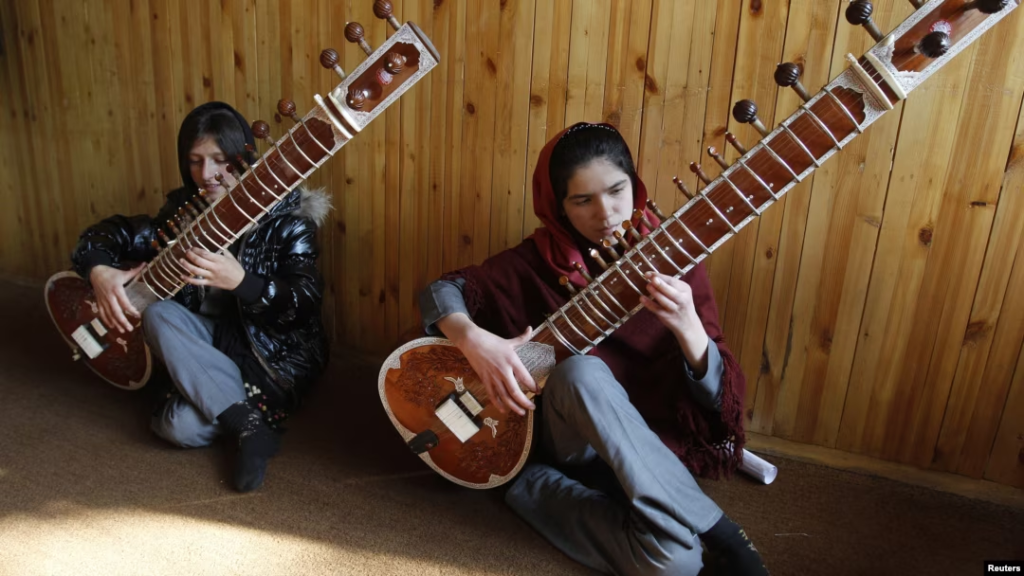
The rubab’s enduring appeal lies in its ability to bring peace and unity, qualities sorely needed in a fractured nation. As Mohsen, a member of an artists’ union, poignantly observes, “Music is never lost. No force, no person, no system can silence its sound.”
The plight of the instrument underlines a broader cultural crisis in Afghanistan. The Taliban’s policies not only threaten musicians but also jeopardize the country’s artistic and cultural identity. By erasing music, the regime risks severing a vital connection to Afghanistan’s past and impoverishing its cultural future.
For artisans like Sakhi, the fight to preserve the rubab is a deeply personal mission. His workshop in Herat may seem small and unassuming, but it stands as a bastion of resistance against cultural erasure. Every rubab he crafts is a testament to the resilience of Afghan heritage.
The future of the rubab hangs in the balance, but its story is far from over. From Herat’s workshops to international concert halls, the instrument continues to inspire those who refuse to let its music fade. The battle to preserve the rubab is not just about safeguarding an instrument; it is about protecting the soul of a nation.