
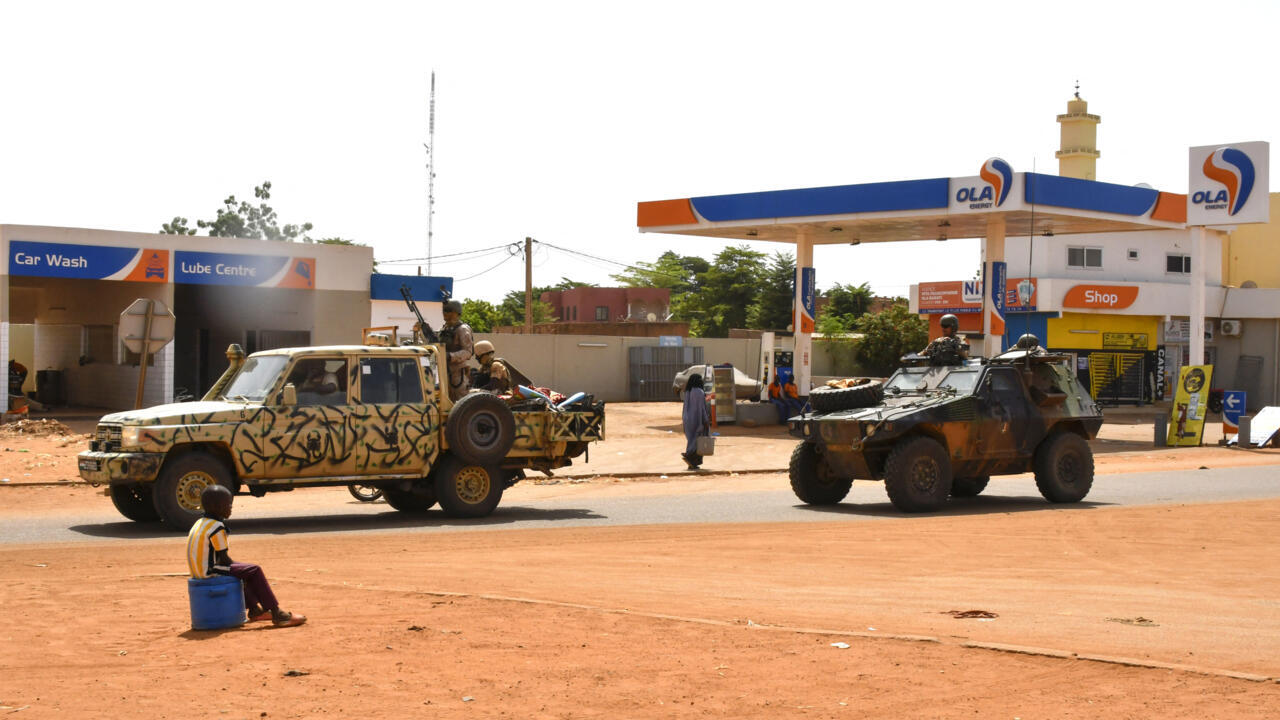
France’s historical presence in Africa is facing its most significant challenge yet, with several nations reconsidering their ties to Paris’s military and political influence.
This shift marks a turning point in the relationship between African countries and their former colonizer, driven by changing geopolitical dynamics and growing local discontent.
The Decline of France’s Post-Colonial Influence in Africa
For decades, France maintained a stronghold in Africa under the policy of “Françafrique,” which ensured economic, political, and military sway over its former colonies.
The presence of thousands of French troops in the region was justified as a measure to assist local governments in combating extremism and providing logistical and peacekeeping support.
However, the cracks in this relationship began to widen as African nations increasingly viewed France’s presence as a tool to protect regimes favorable to Paris rather than benefiting their populations. This sentiment was underscored by street protests across West and North Africa, where anti-French demonstrations became a common sight.
Read : Africa’s First Test Kits to Fight Mpox Produced in Morocco
The announcements by Chad and Senegal to end defense cooperation with France have intensified this shift. Chad, once considered a steadfast ally, declared on its Independence Day that it was redefining its sovereignty by ceasing defense collaboration.
Read : Is a Sixth Ocean Really Going to Form in Africa?
Hours later, Senegal’s president stated that French troops would eventually leave Senegalese soil, signaling a broader rejection of France’s military footprint in the region.
Geopolitical Realignments: New Partnerships and Opportunities
The exodus of French forces has created an opportunity for other global powers to expand their influence in Africa. Countries like Russia, China, and Turkey have made significant inroads, offering alternatives to France’s traditional dominance.
Russia, in particular, has established a noticeable presence, with its Wagner Group mercenaries operating in the Sahel region. While these forces have faced accusations of human rights abuses, their involvement reflects the willingness of African leaders to explore options outside traditional Western alliances.
For instance, Chad’s President Mahamat Deby has strengthened ties with Moscow, visiting the Russian capital earlier this year to bolster bilateral relations.
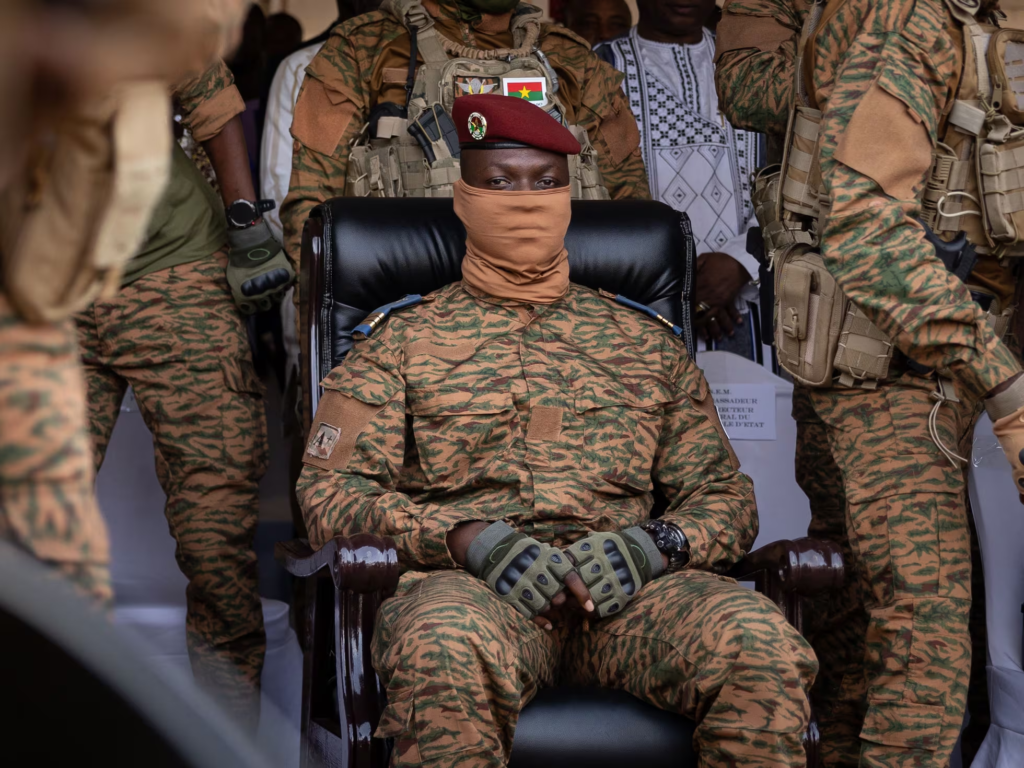
Turkey and the United Arab Emirates (UAE) have also emerged as significant players. The UAE’s involvement in Chad is reportedly linked to its strategic interests in neighboring Sudan and Darfur, while Turkey has deepened its outreach across the continent.
This diversification of partnerships underscores a broader trend: African nations are seeking to redefine their foreign relations on their terms, moving away from a dependency on any single power.
Challenges and the Road Ahead
Despite the growing rejection of French military presence, the path forward is fraught with challenges. The security situation in countries that have expelled French troops, such as Niger, Mali, and Burkina Faso, has deteriorated.
These nations have witnessed a surge in extremist attacks and civilian casualties, highlighting the “huge security vacuum” created by France’s withdrawal.
Critics argue that this vacuum cannot be effectively filled by Russia or other emerging partners. The Wagner Group, for instance, operates with limited financial resources compared to the French military, raising questions about its ability to address the region’s security needs.
Furthermore, increased violence suggests that alternative security arrangements may not be robust enough to counter the growing threat of insurgencies.
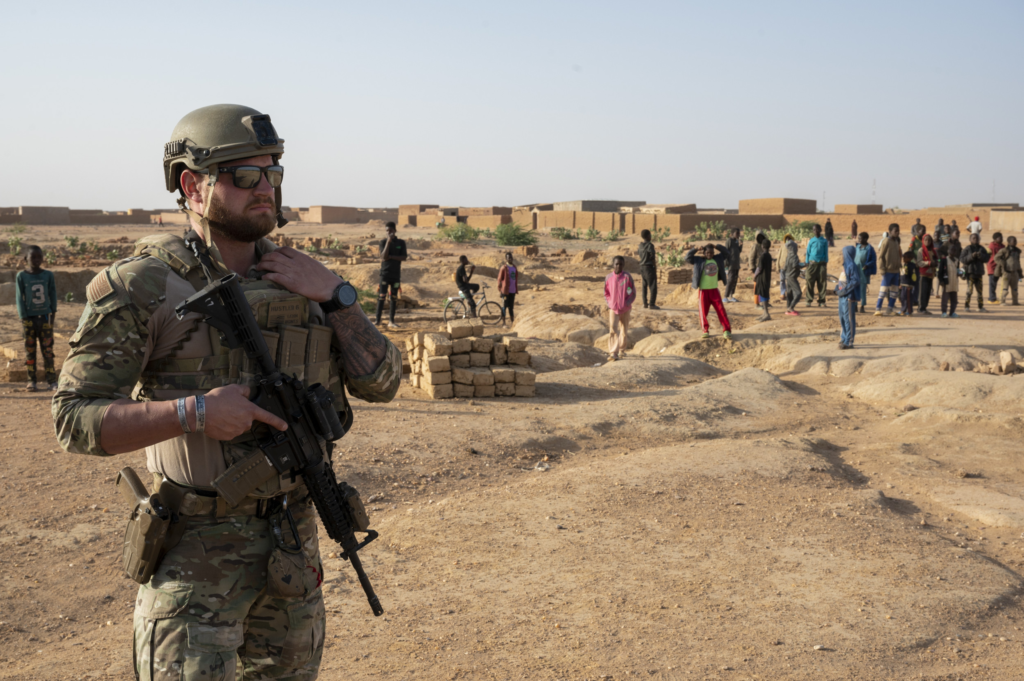
France, for its part, has begun recalibrating its strategy. President Emmanuel Macron has emphasized a renewed partnership with African nations, focusing on reducing permanent troop deployments while offering specialized training and temporary deployments.
The establishment of a dedicated African command within the French military signals an intent to adapt to changing circumstances, although its success remains uncertain.
The departure of French troops from African nations marks a significant shift in the continent’s geopolitical landscape. As countries like Chad and Senegal assert their sovereignty and seek new alliances, the era of unquestioned French dominance appears to be coming to an end.
However, this transition is not without risks. The increased violence in the Sahel underscores the challenges of navigating a post-French security framework. African nations will need to strike a delicate balance, leveraging new partnerships while addressing internal vulnerabilities to ensure stability and prosperity.