
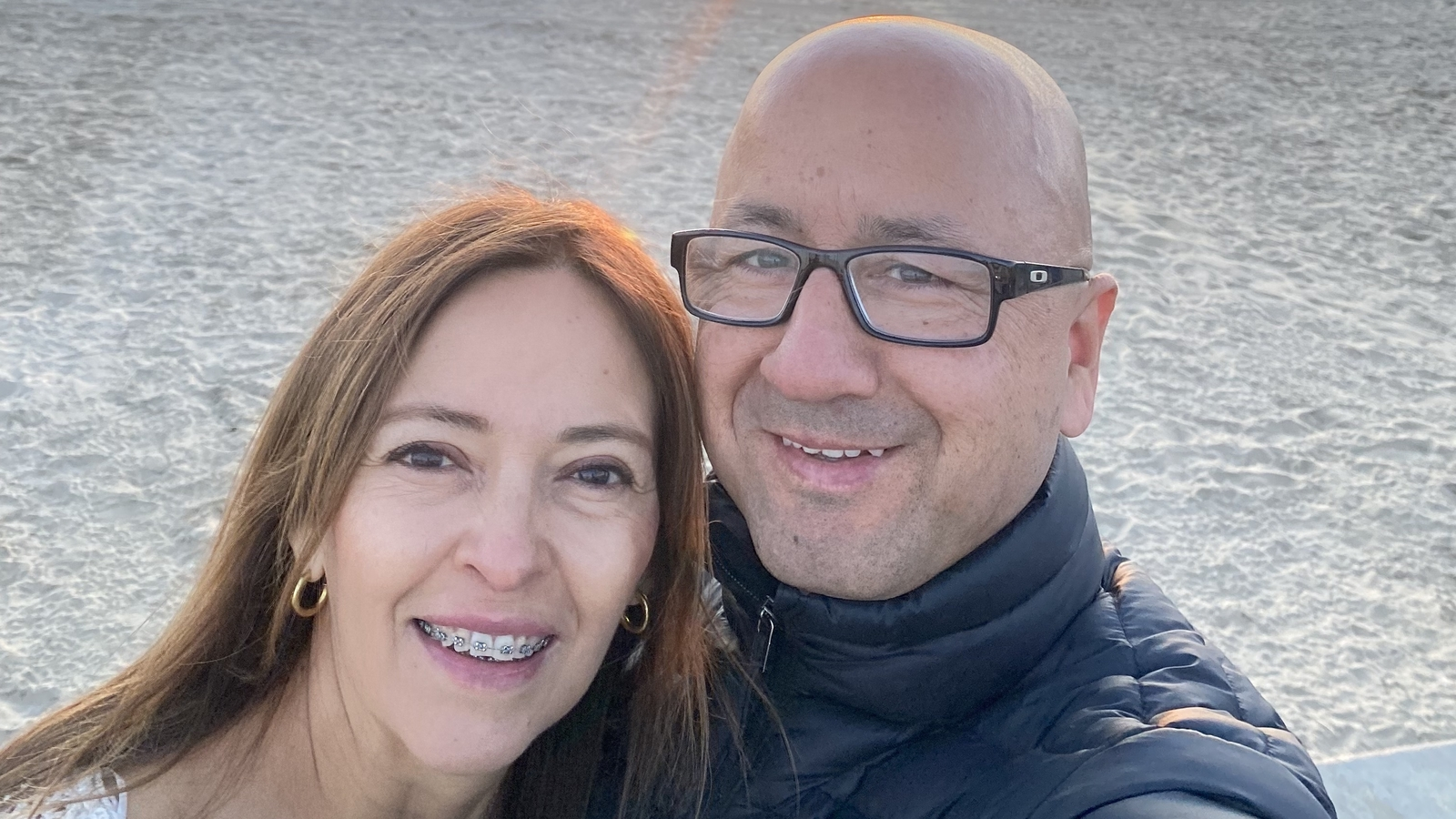
For over three decades, Gladys and Nelson Gonzalez called the United States their home. Arriving in 1989, they built a life in Southern California, raising three daughters who were born and raised as American citizens.
They were active members of their community, volunteering at food pantries and leading Bible studies. Despite their deep roots in the U.S., due to immigration policies and legal missteps Couple Deported to Colombia, a country they had not lived in for 35 years.
A Life Built in America
Gladys and Nelson Gonzalez arrived in the United States in 1989, fleeing violence and instability in Colombia. At the time, Colombia was plagued by drug-related violence, earning Bogotá the grim title of “the murder capital of the world.” Like many immigrants, they sought a better life, hoping for safety, stability, and the opportunity to work hard for their family.
Despite not having visas upon arrival, they were granted the opportunity to apply for asylum. They worked tirelessly, paying taxes and attempting to navigate the complex U.S. immigration system. However, a series of legal missteps, including fraudulent and incompetent legal representation, left them without a clear path to citizenship.
The couple’s three daughters, born and raised in California, knew no other home but the United States. The Gonzalezes instilled in them the values of hard work, education, and community service. Their daughters, now adults, have careers and families of their own, making the deportation of their parents all the more devastating.
An Abrupt and Painful Deportation
For over two decades, the Gonzalezes lived under an order of supervision, requiring them to check in with immigration authorities regularly. They complied without issue, following the legal process to the best of their ability.
However, at a routine check-in on February 21, 2024, everything changed. Instead of the usual procedure, Gladys and Nelson were arrested, handcuffed, and placed in federal custody.
Read : Germany to Tighten Rules on Deporting Foreigners Who Glorify Terror Acts Amid Gaza War
They spent three weeks in detention centers in California, Arizona, and Louisiana before being deported to Colombia. The abrupt nature of their removal left their daughters and loved ones in shock.

“They expected to leave eventually, but not like this,” said their attorney, Monica Crooms. “They were preparing to leave on their own terms, to have a chance to say goodbye. Instead, they were treated as criminals.”
Stephanie Gonzalez, one of their daughters, recounted the painful experience of retrieving her parents’ car from the parking lot after they were detained, realizing they hadn’t even been given the chance to say goodbye. The abrupt separation was deeply traumatic for the family, leaving them feeling helpless against a system that had failed them.
A Broken Immigration System
The Gonzalezes’ story highlights major flaws in the U.S. immigration system, where long-time residents can suddenly be forced out despite years of compliance, contribution, and legal attempts to stay.
In 2000, an immigration court ruled that they had no legal basis to remain in the country, issuing them a voluntary departure order. They were advised by their attorney at the time that the order could be appealed, only to later learn that they had been misled.
Over the years, they spent thousands of dollars on legal fees, often encountering fraudulent or disbarred attorneys who took advantage of their desperation.
Despite multiple appeals, including reviews by the Board of Immigration Appeals in 2001 and 2018 and the U.S. Court of Appeals in 2021, their status remained unresolved. In 2018, their deportation officer advised them that if they could not legalize their status, they would have to leave. However, their deportation remained on hold—until now.
Under current immigration policies, cases like theirs are becoming more common. Immigration enforcement has intensified, with long-term undocumented immigrants facing an increased risk of detention and deportation.
The Trump administration’s continued push for strict enforcement has resulted in the detention and removal of thousands of individuals who have lived in the U.S. for decades.

For the Gonzalezes, deportation meant not only losing their home but being sent back to a country they barely recognized. Colombia has changed significantly since they left in the late 1980s, and adjusting to life there has been a difficult challenge. With no immediate family or support system, they are struggling to rebuild their lives from scratch.
Their daughters remain hopeful that legal avenues will open in the future, allowing them to return. “The issue is not my parents—it’s the immigration system,” Stephanie Gonzalez stated. “They sacrificed everything for this country, and in return, they were treated like criminals.”
For now, the family is focused on helping Gladys and Nelson adjust to life in Colombia while continuing their legal fight. They have raised over $65,000 through GoFundMe to support their parents and pursue legal options that could one day bring them back home.
A System in Need of Reform
The Gonzalezes’ case underscores the urgent need for immigration reform in the United States. The current system is often unforgiving, complex, and riddled with bureaucratic inefficiencies that make it nearly impossible for many immigrants to navigate successfully.
Thousands of families face similar struggles, caught between outdated policies, fraudulent legal practices, and shifting immigration enforcement. Many individuals who have lived in the U.S. for decades find themselves in precarious situations, vulnerable to sudden deportation without warning or due process.
Moreover, the impact of deportation extends beyond those directly affected. Families are torn apart, children and grandchildren are left without their loved ones, and communities lose valuable, contributing members.
Deporting individuals who have lived, worked, and contributed to the U.S. economy for decades raises ethical questions about the treatment of long-term immigrants who have established deep ties to the country.

Legal experts and advocacy groups argue that cases like the Gonzalezes should prompt policymakers to reconsider immigration laws and enforcement policies. A pathway to citizenship or legal residency for individuals who have lived in the U.S. for decades would prevent such heartbreaking separations and acknowledge the contributions of long-term immigrants.
A Painful Future and Uncertain Hope
Gladys and Nelson Gonzalez now face the daunting task of rebuilding their lives in Colombia. At 55 and 59 years old, starting over in a country they barely remember is an overwhelming challenge. The language, culture, and economic landscape have all changed drastically since they left.
Despite their hardships, their daughters remain hopeful. They continue to advocate for their parents, exploring every possible legal avenue for their return. “We are not giving up,” Stephanie Gonzalez said. “They deserve to come back home.”
While current laws prevent them from re-entering the U.S. for at least ten years, changes in immigration policy could alter that timeline. Advocates argue that cases like theirs highlight the need for humane and reasonable immigration policies that prioritize family unity and acknowledge the long-term contributions of immigrants.
For now, the Gonzalez family remains separated, navigating the painful reality of forced displacement. Their satory serves as a stark reminder of the complexities and challenges of the U.S. immigration system, and the profound impact it has on families who call America home.