
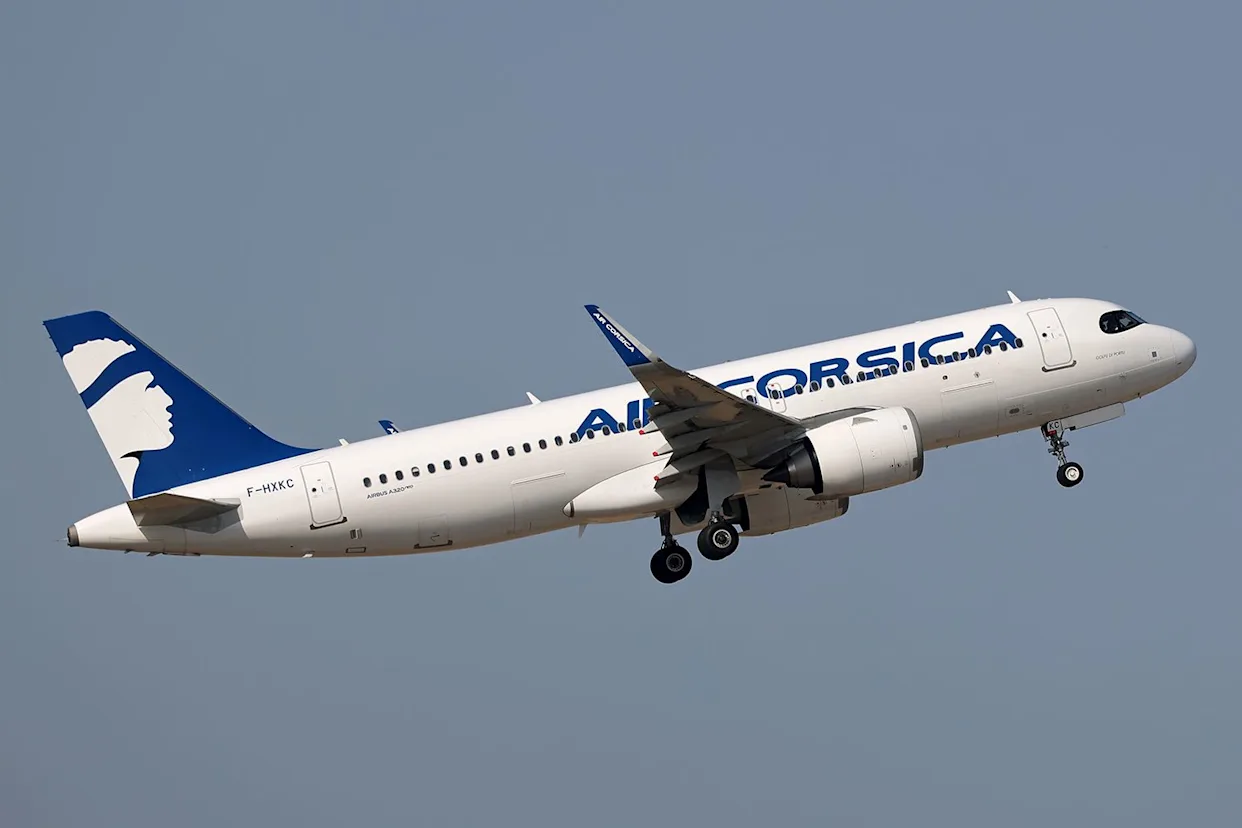
In the annals of aviation oddities, few stories rival the sheer absurdity of a passenger plane circling endlessly over its destination because the person in charge of guiding it down decided to catch some Z’s. On September 15, 2025, Air Corsica Flight XK777, an Airbus A320neo bound from Paris Orly Airport to Ajaccio Napoleon Bonaparte Airport in Corsica, found itself in just such a predicament. What should have been a routine late-night landing turned into a 30-minute holding pattern—though some reports stretch it to nearly an hour—after the sole air traffic controller on duty dozed off at his post.
This incident, confirmed by France’s civil aviation authority, has left passengers, experts, and regulators scratching their heads, sparking debates on safety protocols and the human element in one of the world’s most unforgiving industries. The flight, carrying a planeload of tourists eager for Corsica’s sun-kissed shores and rugged landscapes, departed Paris about 27 minutes late at 10:47 p.m. local time.
The scheduled arrival was around 11:25 p.m., but delays piled up, pushing the approach into the wee hours just after midnight. As the aircraft descended through 15,000 feet over the Gulf of Ajaccio, the pilots initiated contact with the control tower for landing clearance. Silence. No response to radio calls. Worse still, the runway lights remained dark, plunging the strip into obscurity. With fuel burning and options dwindling, the crew entered a holding pattern, orbiting the Mediterranean skies while ground teams scrambled to diagnose the blackout.
The unfolding drama on the ground was straight out of a low-budget thriller. Airport firefighters and police were dispatched to the control tower in a frantic bid to restore communications. Gaining access, they discovered the controller slumped over his desk, fast asleep. A quick shake—or perhaps a polite nudge—roused him, and within moments, the runway lights flickered back on. Communication was reestablished, and the plane touched down safely at 12:35 a.m., about 70 minutes behind schedule, after a total flight time of 109 minutes.
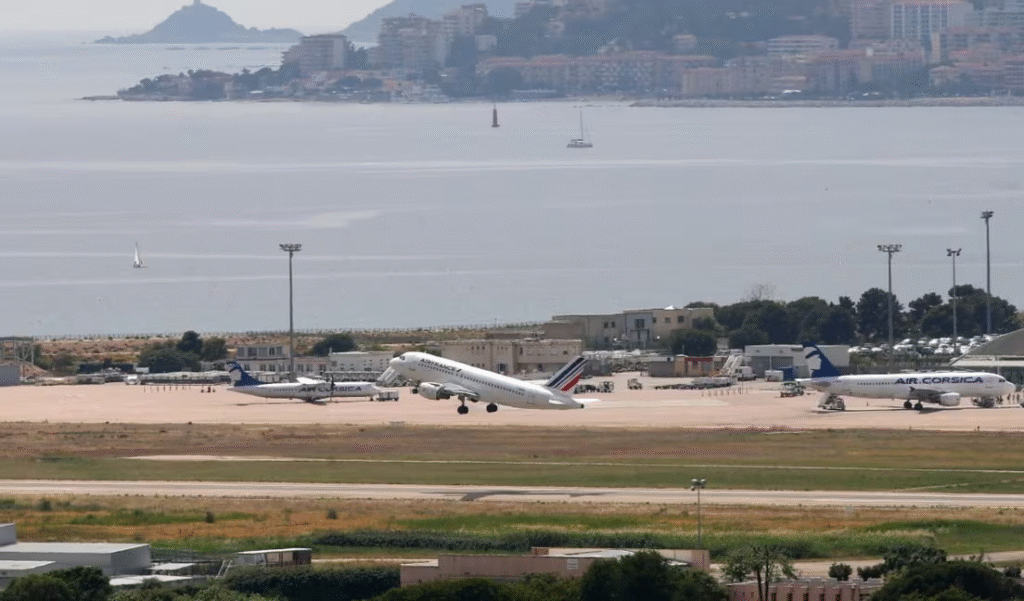
No injuries were reported, and the 150 or so passengers disembarked none the wiser to the near-farce that had unfolded below. But whispers among the crew soon turned into widespread media buzz, painting a picture of vulnerability in an otherwise meticulously orchestrated system. This wasn’t just a minor hiccup; it exposed raw nerves in airport operations, especially at regional hubs like Ajaccio. The island’s main gateway, named after the famed emperor who hailed from nearby, handles around 144 weekly departures, serving as a vital link for Air Corsica, the island’s flag carrier.
Yet, on that fateful night, it operated with just one controller manning the tower during the graveyard shift—a staffing skeleton that amplified the risk. Aviation authorities have since launched an investigation, describing the event as “unprecedented” in the career of local officials. As details emerge, the story serves as a stark reminder that even in the high-tech world of radar and automation, human fatigue can ground an entire operation.
The Unfolding Chaos: From Descent to Desperate Circles
Picture this: It’s past midnight over the shimmering Tyrrhenian Sea. The Airbus A320neo, registration F-HXKJ, glides toward Corsica’s western coast, its cabin lights dimmed for the overnight hop. Captain and crew, seasoned pros from Air Corsica’s fleet, anticipate a smooth touchdown at Napoleon Bonaparte Airport. The aircraft, a modern neo variant known for its fuel efficiency and whisper-quiet engines, had already logged 75 minutes in the air. Descent begins routinely, flaps extending, speed bleeding off as the Gulf of Ajaccio comes into view below.
Then, static. The pilots key the mic: “Ajaccio Tower, this is XK777, descending through flight level 150, request clearance for ILS approach.” Crickets. Repeated calls yield the same void. Scanning instruments, they note the runway—clear for landing in calm conditions—sits unlit, a black scar against the coastal terrain. Protocol kicks in: declare an emergency of sorts, but without ground response, options narrow. Diverting to Bastia-Poretta Airport on the island’s east side crosses minds, but that requires ATC approval too. Stuck in limbo, the plane banks into a racetrack holding pattern, stacking precious minutes and fuel as the onboard clock ticks mercilessly.
Read : Passenger Arrested at Heathrow Airport After Punching Flight Attendant
Down on terra firma, the Ajaccio control tower— a modest structure overlooking the runway—stands eerily quiet. The single controller, responsible for sequencing arrivals and departures in this low-traffic window, had nodded off amid the monotony. Reports suggest the nap struck during a lull, perhaps exacerbated by the flight’s delay. Airport logs later confirmed no other anomalies: weather was clear, no technical glitches in radar or comms.
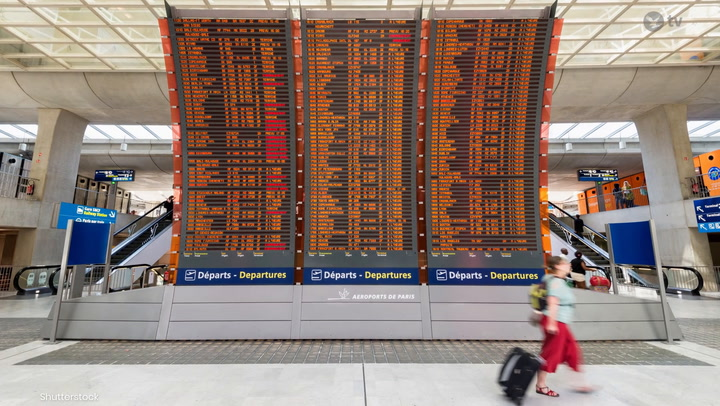
It was pure, unadulterated human error. Firefighters, trained for runway incursions but not somnolence, breached the tower door with urgency. Their flashlights cut through the dim interior, landing on the dozing figure. A firm awakening followed—accounts vary from a shoulder tap to a more vigorous rousing—and suddenly, life returned. Lights blazed, vectors issued, and XK777 slotted back into the approach path.
Passengers, strapped in for what they assumed was routine turbulence or traffic, felt the prolonged circles as an extended final leg. Cabin crew, ever the pros, maintained calm with updates like “a minor ground delay” while suppressing eye-rolls. Social media lit up post-landing with bleary-eyed posts: “Landed in Ajaccio after what felt like an eternity circling. Corsica, you mysterious island.” The total hold time clocked in at 18 to 30 minutes officially, though passenger recollections inflate it to an hour, blending anxiety with exaggeration. Either way, the safe wheels-down at 12:35 a.m. brought collective sighs of relief, capping a journey that veered from banal to bizarre.
Echoes of Slumber: Similar Sleepy Mishaps in Aviation History
If Air Corsica’s midnight merry-go-round sounds like a one-off comedy of errors, aviation’s history books beg to differ. Fatigue has felled more than a few flights, turning cockpits and towers into unintended nap zones. Take the 2022 Ethiopian Airlines incident: Both pilots on a Boeing 737 from Khartoum to Addis Ababa dozed off mid-flight, leaving the autopilot to circle the Ethiopian capital at 37,000 feet for over an hour. Air traffic controllers, spotting the anomaly, raised alarms until a startled first officer awoke to a barrage of queries. No harm done, but the episode prompted fleet-wide fatigue audits.
Closer to home for European carriers, ITA Airways made headlines that same year when its pilots on a Rome-New York red-eye went unresponsive over the Atlantic. Transponder squawks and radio silence forced military jets to intercept, only for the crew to stir sheepishly, admitting to a simultaneous siesta. Investigations pinned it on circadian rhythm disruptions from irregular schedules. Fast-forward to 2024, and Batik Air pilots in Indonesia pulled a similar stunt, nodding off on a Jakarta-Singapore hop, resulting in a vectorless cruise until backup frequencies saved the day.
These aren’t isolated to flight decks; ground control has its share of shut-eyes too. In 2019, a solo controller at a small U.S. tower in Florida conked out during a slow period, delaying three arrivals until a supervisor’s routine check jolted him awake. Echoing Ajaccio, the runway went dark, and pilots resorted to visual approaches under moonlight. Globally, the International Civil Aviation Organization (ICAO) logs hundreds of fatigue-related reports annually, often tied to understaffing or grueling shifts. Ajaccio’s case, with its lone wolf on duty, mirrors these patterns, underscoring how regional airports—busiest in summer peaks but skeletal off-season—skirt disaster on thin margins.
What ties these yarns together? Human biology clashing with 24/7 ops. Studies from the Federal Aviation Administration show microsleeps—brief, involuntary dozes—strike even the vigilant after 17 hours awake. In Ajaccio, the late hour amplified risks, turning a yawn into a near-miss. Yet, silver linings emerge: redundancies like backup frequencies and pilot training prevented escalation. Still, each incident chips away at public trust, reminding us that behind the algorithms, aviation runs on caffeine and willpower.
Safety Wake-Up: Implications and the Path Forward
The Ajaccio asleep-at-the-switch saga isn’t just fodder for water-cooler chatter; it’s a clarion call for systemic tweaks in air traffic management. France’s Bureau d’Enquêtes et d’Analyses pour la sécurité de l’aviation civile (BEA) has greenlit a probe, zeroing in on staffing at Napoleon Bonaparte Airport. With only one controller handling the midnight shift, the incident exposes a vulnerability: no backup, no rotation, just one pair of eyes (or lack thereof) between sky and soil. Local unions are already agitating for mandatory duos during all hours, citing Corsica’s tourism boom—over two million passengers yearly—as justification for beefed-up crews.
Broader ripples hit fatigue protocols. European regulators, under EASA (European Union Aviation Safety Agency), mandate rest periods, but enforcement varies. Ajaccio’s operator, DSNA (Direction des Services de la Navigation Aérienne), faces scrutiny over shift designs that string late-nighters into dawn patrols. Experts advocate AI aids—like drowsiness detectors via eye-tracking cams—or automated lighting backups to sidestep single-point failures. Air Corsica, meanwhile, lauds its pilots’ cool heads, who burned minimal extra fuel (under 1,000 kilos) during the hold, averting a diversion.
For passengers, the takeaway? Reassurance amid the absurdity. Aviation’s safety record remains stellar—fewer than one fatal accident per million flights—thanks to layered defenses. This blip, while eyebrow-raising, reinforces that. As investigations wrap, expect policy nudges: perhaps Corsica-wide audits or tech infusions. Until then, the story lingers as a quirky footnote, a tale of how one nap nearly derailed a night’s end. In the end, the real bizarre twist? Everyone woke up just in time.