
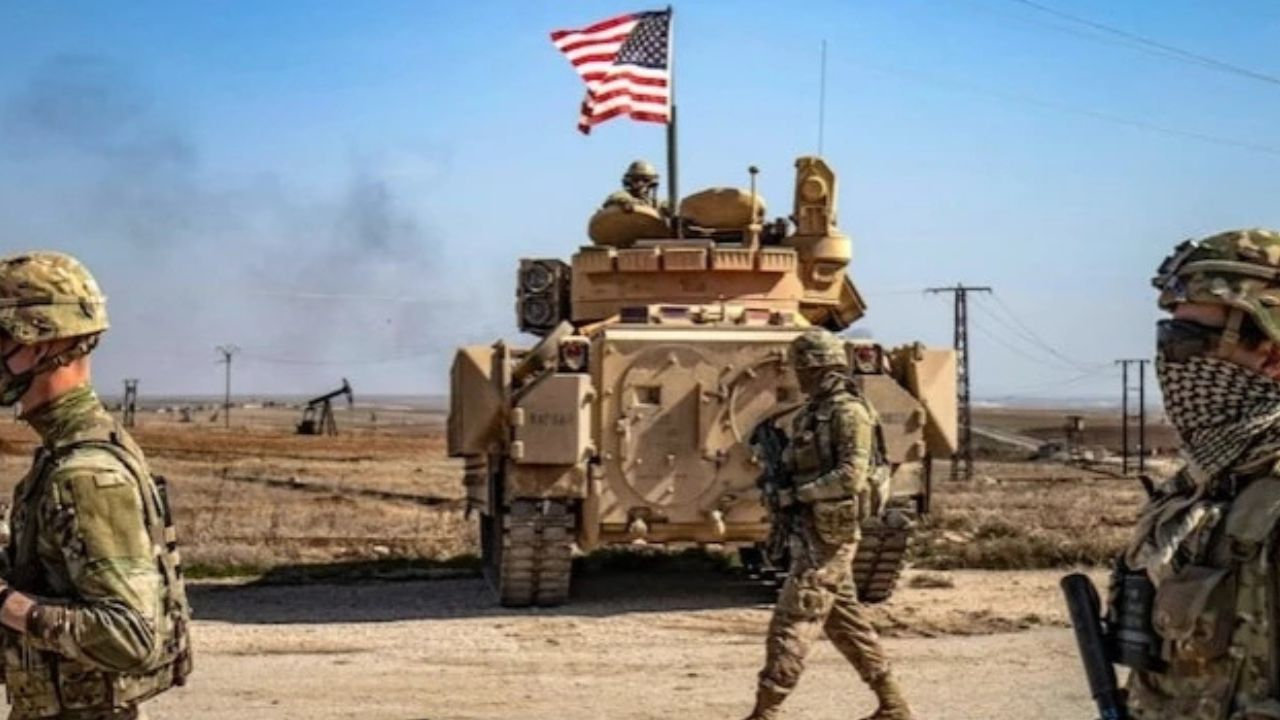
United States forces have carried out a targeted strike in northwest Syria that killed Bilal Hasan al-Jasim, an al-Qaeda leader whom American officials say was directly connected to an Islamic State operative responsible for a deadly ambush that killed three Americans late last year. The operation forms part of a broader and intensified US military campaign against extremist networks operating in Syria, particularly in the aftermath of a high-casualty attack on US and allied personnel.
While the claims made by US Central Command have not been independently verified, the strike underscores Washington’s continued focus on counterterrorism in a country that remains deeply unstable despite the formal end of its long-running civil war. The killing of al-Jasim comes amid heightened US military activity under an operation launched following the December 2025 ambush near Palmyra in central Syria.
That attack marked one of the deadliest incidents involving US personnel in the country in recent years and prompted a renewed emphasis on targeting individuals and networks believed to be involved in planning, facilitating, or inspiring attacks on American forces. The strike also highlights the complex and often overlapping relationships between extremist groups operating in Syria, even as they pursue different ideological goals.
The Strike and the US Military Response
According to US Central Command, the strike that killed Bilal Hasan al-Jasim took place on Friday in northwest Syria, a region that has long served as a hub for various armed groups due to its fragmented control and limited state authority. US officials described al-Jasim as an al-Qaeda leader who had direct operational links to an Islamic State gunman involved in the December 13, 2025 ambush that killed three Americans and injured others. The US military framed the operation as a precision strike designed to eliminate a key figure without causing broader escalation.
Senior US military leaders have characterized the strike as part of a clear message that those responsible for attacks on American personnel will be pursued wherever they operate. Statements from Central Command emphasized that there is no safe haven for individuals who plan or enable violence against US forces. This approach reflects a longstanding US counterterrorism doctrine focused on leadership decapitation and disruption of operational networks.
The strike falls under a wider campaign that the US has described as Operation Hawkeye Strike. Launched in the wake of the Palmyra ambush, the operation has involved extensive air and ground activity targeting Islamic State positions across Syria. US officials say that since mid-December, American forces have struck more than 100 infrastructure and weapons sites associated with Islamic State, using approximately 200 precision-guided munitions. In addition to airstrikes, US and partner forces have conducted multiple raids aimed at capturing or killing suspected militants.
U.S. Central Command announced today that it killed an Al-Qaeda affiliate leader, Bilal Hasan al-Jasim, in a strike in northwest Syria on Friday, January 16th. pic.twitter.com/eM229GxhKx
— Jason American Patriot™ (@TruthJasonLee) January 17, 2026
Earlier this month, Central Command reported that nearly 25 Islamic State members had been killed or captured during a series of missions conducted between December 20 and December 29. These operations were described as intelligence-driven and focused on degrading the group’s ability to plan and carry out attacks. The killing of al-Jasim, though he was affiliated with al-Qaeda rather than Islamic State, illustrates the US view that interconnected extremist networks pose a continuing threat even when formal organizational lines appear distinct.
Bilal Hasan al-Jasim and Extremist Networks in Syria
Publicly available information about Bilal Hasan al-Jasim remains limited, reflecting both the clandestine nature of his activities and the selective disclosure of intelligence by US authorities. What US officials have emphasized is his role as a senior al-Qaeda-linked figure with direct ties to an Islamic State operative involved in the Palmyra attack. This linkage is significant because it highlights the practical cooperation that can occur between rival extremist groups under certain circumstances.
Read : Devastating! Wildfires Ravage Syria’s Turkmen Mountains in Latakia
Al-Qaeda and Islamic State are often portrayed as competing movements with deep ideological and strategic differences. However, in complex conflict environments such as Syria, individuals and factions sometimes maintain personal, logistical, or operational connections that cut across organizational boundaries. US officials argue that al-Jasim was part of such a nexus, enabling or facilitating actions that ultimately led to the December ambush.
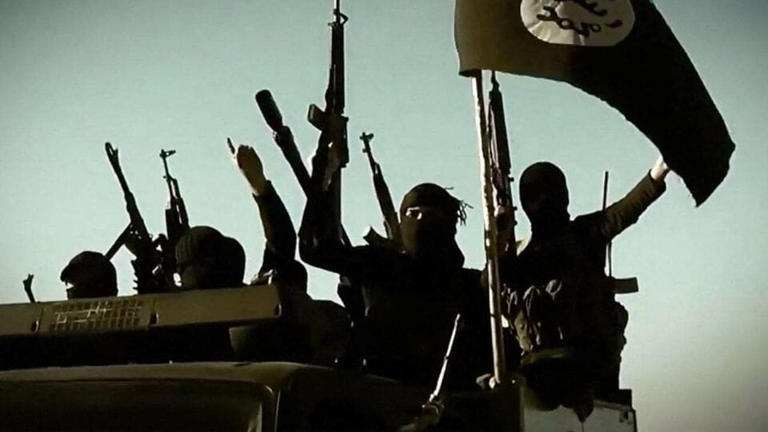
The Palmyra attack itself was a turning point. Taking place in central Syria, it involved an Islamic State gunman who targeted American and Syrian personnel, killing three Americans. The incident demonstrated that despite years of military pressure and the loss of territorial control, Islamic State retains the ability to conduct lethal attacks. The US assessment that al-Jasim was directly connected to the attacker suggests a broader support network that extends beyond a single group or location.
From the US perspective, eliminating figures like al-Jasim serves multiple purposes. It removes an experienced operative, disrupts communication and planning channels, and sends a deterrent signal to others involved in extremist activity. At the same time, the limited information released about his exact role reflects the intelligence-sensitive nature of such operations and the challenges of publicly substantiating claims made in conflict zones.
The presence of al-Qaeda-linked figures in northwest Syria also points to the enduring fragmentation of the country’s security landscape. Various militant groups continue to operate in areas where central authority is weak or contested. This environment allows extremist actors to survive, adapt, and in some cases collaborate despite sustained military pressure from both local and international forces.
Broader Implications for Syria and US Counterterrorism Strategy
The killing of Bilal Hasan al-Jasim must be understood within the broader context of Syria’s ongoing instability and the evolving US role in the country. Syria has remained in a fragile state since the fall of President Bashar al-Assad’s regime in December 2024, an event that formally ended a civil war that had lasted more than a decade. Although large-scale fighting has subsided, the country remains divided, with competing political authorities, armed groups, and external actors influencing different regions.
Read : 20-Year-Old Syrian National Attacks People with Axe on Train in Bavaria
Since the collapse of the Assad government, a new leadership under Ahmed al-Sharaa, also known as Abu Mohammed al-Jolani, has sought to consolidate control. However, the transition has been uneven, and security gaps persist across much of the country. These conditions have allowed extremist groups, particularly Islamic State remnants, to continue operating, especially through insurgent-style attacks rather than territorial control.
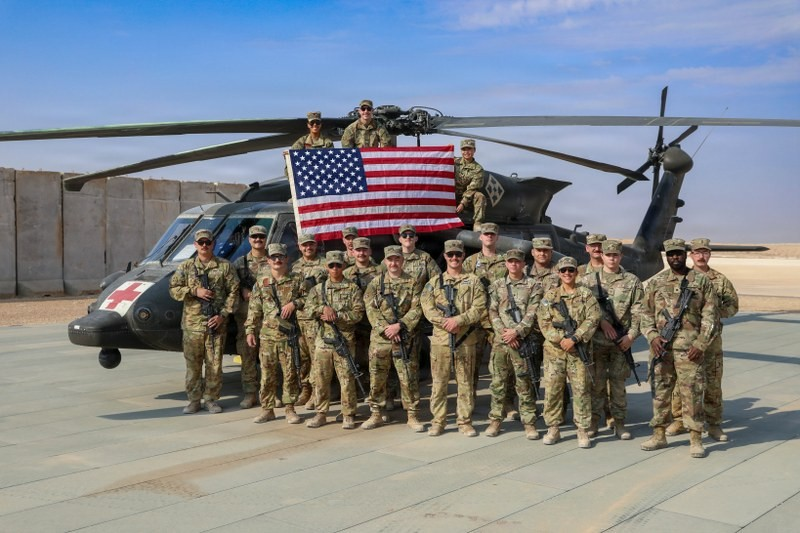
US officials have repeatedly stated that while Islamic State has been significantly weakened, it remains an active threat. In 2025, the group continued to carry out attacks, particularly against Kurdish-led forces in northeastern Syria. The US military presence in the country, though limited compared to earlier years, is aimed at preventing a resurgence of the group and supporting local partners.
Operation Hawkeye Strike reflects a shift toward more aggressive and sustained counterterrorism activity following the deaths of American personnel. Rather than isolated retaliatory strikes, the campaign has involved repeated operations designed to systematically degrade extremist capabilities. The killing of al-Jasim fits into this approach by targeting not only Islamic State members but also individuals linked to broader extremist networks that may support or enable attacks.
At the strategic level, the strike reinforces the US position that its counterterrorism mission in Syria continues despite changes in the country’s political landscape. It also signals to both allies and adversaries that attacks on US forces will be met with decisive action. However, the long-term effectiveness of this strategy remains an open question, particularly in a region marked by shifting alliances and persistent instability.
The operation also raises broader questions about the future of counterterrorism in Syria. As the country attempts to move beyond years of war, the continued presence of foreign military forces and the persistence of extremist violence highlight the challenges of achieving lasting security. While targeted strikes can remove individual leaders, they do not by themselves resolve the underlying conditions that allow such groups to emerge and survive.
In this context, the killing of Bilal Hasan al-Jasim represents both a tactical success for US forces and a reminder of the complex and enduring nature of the conflict in Syria. It illustrates how the legacy of war, fragmented authority, and transnational extremist networks continue to shape the security environment, even years after the most intense phases of fighting have ended.
wonderful post, very informative. I wonder why the other experts of this sector don’t notice this. You must continue your writing. I’m confident, you’ve a huge readers’ base already!
**mitolyn official**
Mitolyn is a carefully developed, plant-based formula created to help support metabolic efficiency and encourage healthy, lasting weight management.