
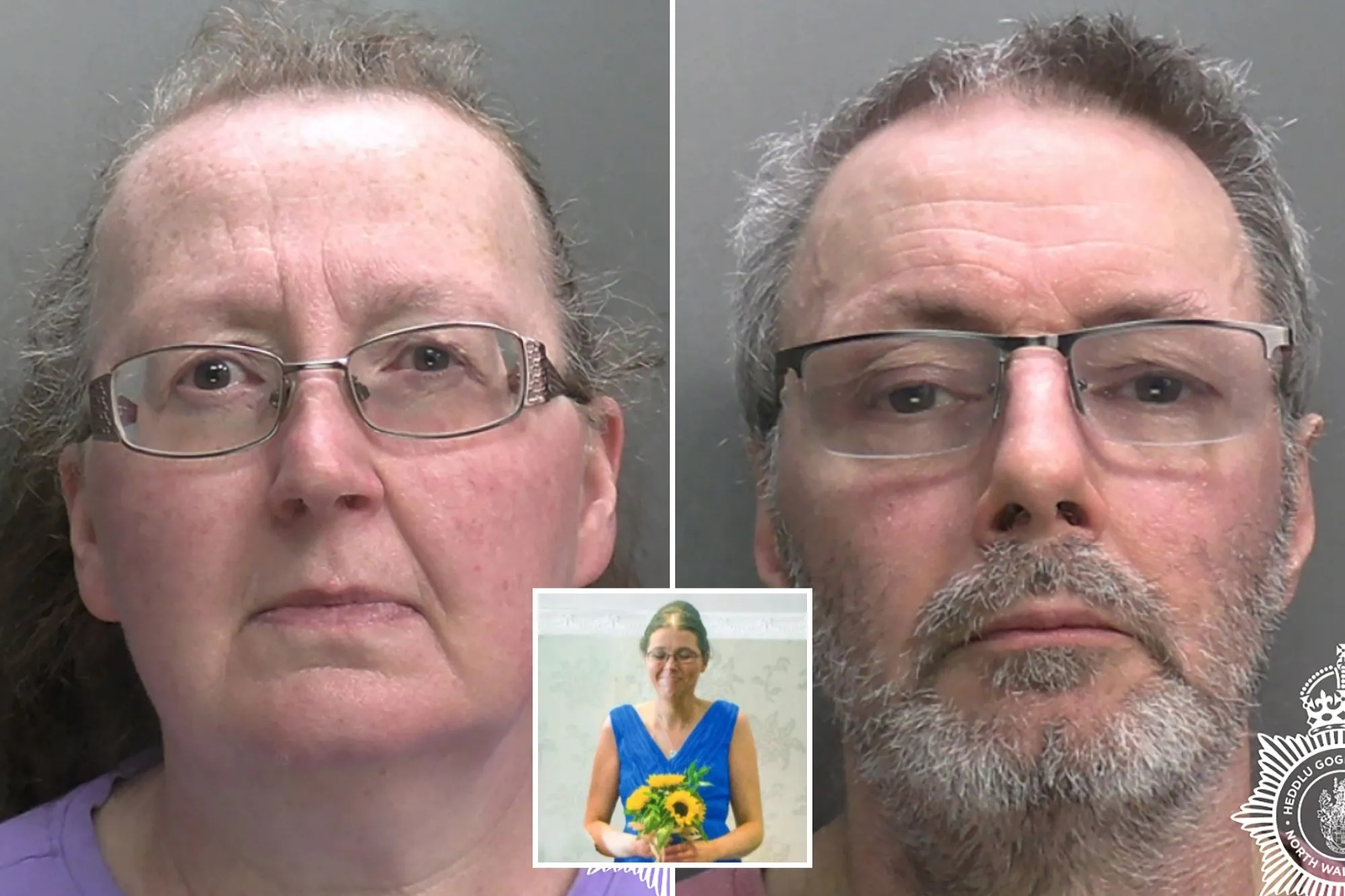
The death of 32-year-old Steffie Davies in Wrexham, North Wales, stands as a deeply distressing case of prolonged neglect within a family home, raising serious questions about responsibility, vulnerability, and the unseen suffering that can occur behind closed doors. Once described as a woman with potential and interests, particularly during her time studying animal care in college, Steffie’s life took a tragic turn as anxiety increasingly isolated her from the outside world.
Over time, this isolation turned into complete dependence, making her reliant on those closest to her for care and support. Instead of receiving that care, she endured a slow and devastating decline that ultimately led to her death in May 2023. The sentencing of her parents, Alan and Bernita Davies, to eight years in prison each reflects the severity of the neglect she suffered and underscores the legal and moral duty of caregivers toward vulnerable individuals.
A Life Marked by Isolation and Decline
Steffie Davies had not always lived in such extreme conditions. According to statements presented during court proceedings, she had shown promise during her younger years and had pursued studies in animal care, indicating both capability and interest in building a meaningful life. However, as she grew older, her mental health deteriorated, particularly due to worsening anxiety that made it increasingly difficult for her to leave the family home. Over time, her world became confined to the house she shared with her parents, and eventually to a single room.
By 2017, the last recorded sighting of Steffie outside the house painted a troubling picture. Witnesses reported her mother shouting at her and calling her “stupid,” highlighting a pattern of verbal abuse that would later be confirmed in court. Rather than receiving encouragement or support to address her mental health challenges, she appeared to face hostility and neglect, which likely deepened her isolation and dependence.
In the years that followed, her condition worsened dramatically. Evidence presented in court revealed that she had become completely bed-bound, unable to care for herself or even perform the most basic tasks. Her younger brother recalled that by December 2022, she was so weak that she could not open a box of chocolates he had given her as a gift. This detail, simple yet powerful, illustrated the extent of her physical deterioration and helplessness.
Read : US Retired Army Colonel Claims Aliens Are Constantly in Contact with Humanity
Despite her condition, there was no meaningful intervention or care provided. Her parents, who lived in the same house, continued their daily routines, going to work and maintaining their own lives while she remained confined to her bed. The court heard that she had not left her bed for approximately 12 months before her death, a period during which her health declined to a catastrophic level.
Evidence of Neglect and Suffering
When paramedics were finally called to the family home on May 26, 2023, they encountered a scene that was described in court as deeply disturbing. Steffie Davies was found in an “almost skeletal” state, weighing just five stone nine pounds at a height of five foot seven inches. Her physical condition reflected prolonged starvation and neglect, with visible signs of extreme malnourishment.
Further examination revealed additional indicators of suffering. She had dirty, matted hair, suggesting a complete lack of basic hygiene care. There were suspected fungal infections on her skin, likely caused by prolonged immobility and poor living conditions. Perhaps most distressing were the pressure sores and joint contractures, which would have made movement incredibly painful and limited her ability to eat or drink without assistance. These conditions do not develop overnight; they are the result of sustained neglect over an extended period.
Read : Mother and Daughter Rescued After Getting Stuck Waist-Deep in Sand Near Amusement Park
The court was told that photographs documenting her condition were too distressing to be shown, underscoring the severity of what she had endured. Medical evidence suggested that she had been in extreme pain and unable to meet her own basic needs, relying entirely on others for survival.

Text messages presented during the trial added another layer to the evidence. In one message from August 2022, Steffie asked her mother for something to settle her stomach or for protein drinks, indicating both awareness of her condition and a plea for help. The message went unanswered. The judge described how Bernita Davies had effectively “ghosted” her daughter, ignoring her attempts to communicate and seek assistance.
Even after her death, there were concerns about the delay in contacting emergency services. Although Bernita Davies called paramedics on the morning of May 26, she later claimed to have checked on her daughter the previous day and believed she was sleeping. However, evidence suggested that Steffie had likely been dead for several days before the call was made. This delay further emphasized the lack of attention and care given to her condition.
Throughout this period, the parents had access to adequate food and resources, as noted by the judge. While they fed themselves from a well-stocked kitchen, their daughter lay in the next room, starving and unable to feed herself. This contrast between their own sustenance and her deprivation was central to the court’s assessment of their actions.
Court Findings and Sentencing
The sentencing hearing at Mold Crown Court brought together the evidence of neglect and the broader context of Steffie Davies’ life and death. Mrs Justice Stacey delivered a strong and unequivocal judgment, rejecting any notion that the parents had shown genuine remorse. She noted that pre-sentence reports indicated a tendency toward victim-blaming and self-pity rather than accountability.
The judge’s remarks highlighted the emotional and moral dimensions of the case. She stated that there was no evidence Steffie had ever been shown love or affection, instead describing a pattern of verbal abuse and indifference to her suffering. This assessment was reinforced by testimony from neighbors and family members, including her older sister, who had become estranged from the parents years earlier.
Read : William Woodall Charged After Allegedly Shooting His 53-Year-Old Daughter in Head
In her victim impact statement, the sister described Steffie as someone who could have achieved much more in life with proper support and encouragement. She expressed deep anguish at the way her sister had been allowed to “fade into insignificance” in what she described as an inhumane manner. Her statement underscored the sense of lost potential and preventable tragedy that defined the case.
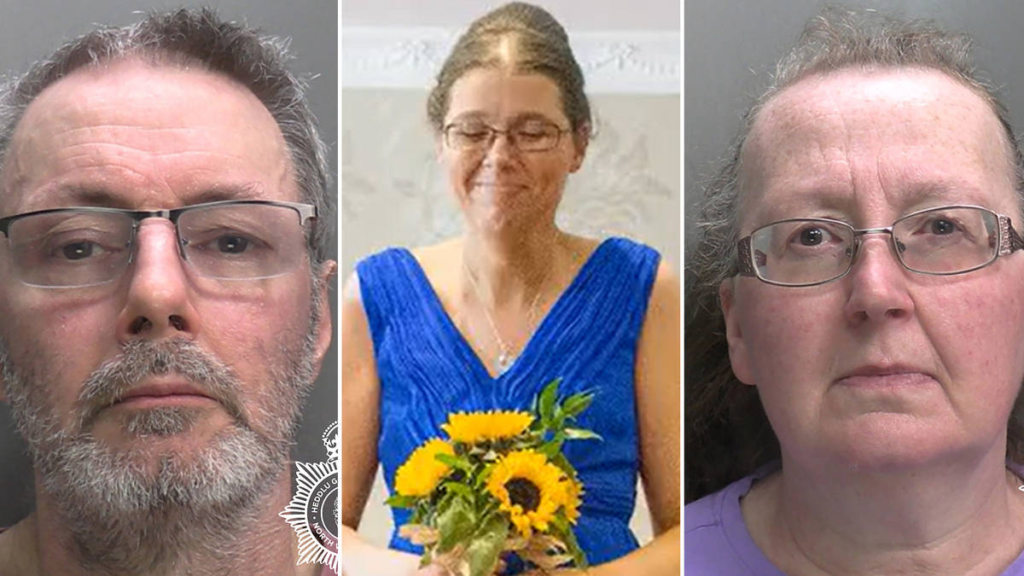
Originally charged with gross negligence manslaughter, Alan and Bernita Davies ultimately pleaded guilty to the lesser charge of causing or allowing the death of a vulnerable adult. This plea was accepted by the court, leading to their sentencing. Each received eight years in prison, a punishment reflecting both the severity of the neglect and the legal limitations associated with the reduced charge.
The judge made it clear that Steffie Davies did not have underlying health conditions that would have inevitably led to her death. Instead, her decline was directly linked to the actions and inactions of her parents. In a pointed statement, she told them, “It was you, her parents, you were the problem,” emphasizing their central role in the circumstances that led to her death.
The case has also prompted scrutiny from local authorities. Although Steffie Davies was not known to social services during her lifetime, Wrexham Council indicated that it would review the case in conjunction with the North Wales Safeguarding Board to determine whether it met the threshold for a broader investigation. This raises important questions about how individuals in similar situations might be identified and supported before conditions reach such a critical stage.
The investigation’s senior officer described the case as difficult to comprehend, noting that a once healthy woman had deteriorated to such an extent without intervention from those closest to her. The acknowledgment by the parents that their level of care was “woefully inadequate” came only after the fact, offering little solace in the face of the irreversible outcome.
This case illustrates the devastating consequences of prolonged neglect, particularly when it occurs within a setting where care and protection are expected. It highlights the vulnerability of individuals who, due to mental health challenges or other factors, become dependent on others for survival. It also underscores the importance of vigilance, both within families and across communities and institutions, to ensure that signs of distress and neglect do not go unnoticed or unaddressed.