
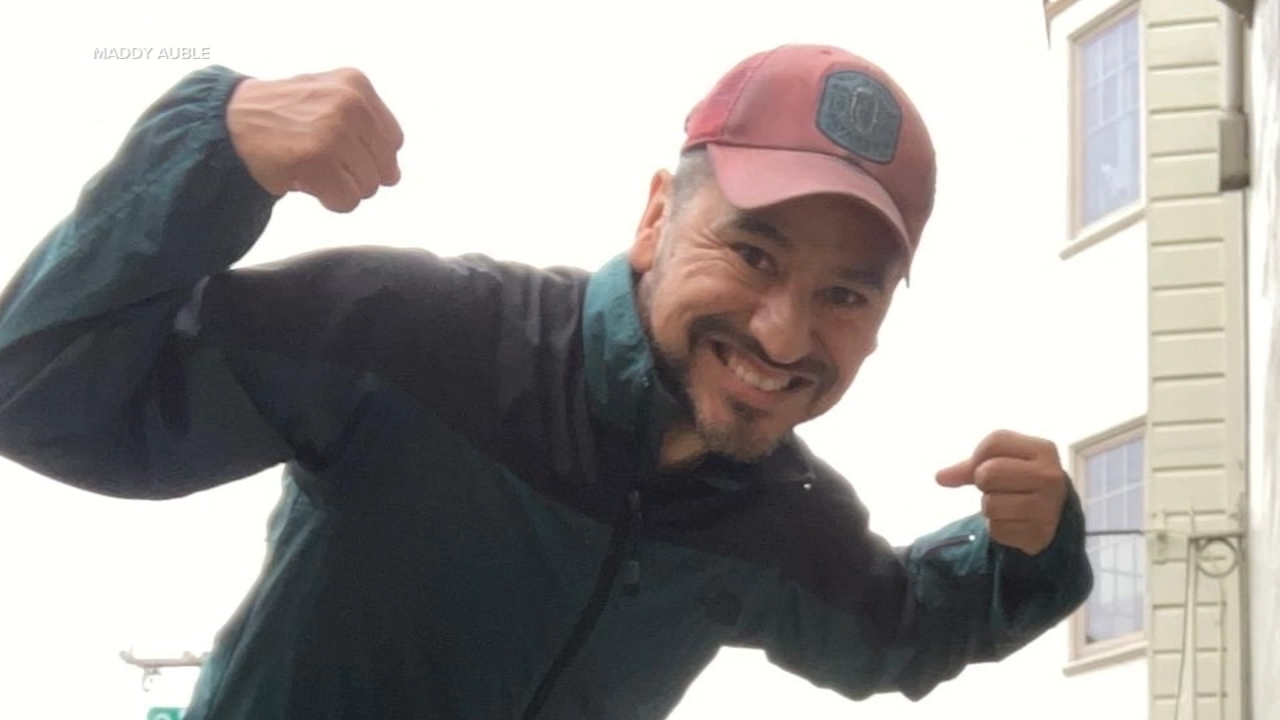
The fatal stabbing of UCSF social worker Alberto Rangel inside Zuckerberg San Francisco General Hospital has left the city’s healthcare community shaken and raised renewed alarm over longstanding security concerns in one of San Francisco’s most vital public medical institutions. Rangel, a respected and deeply admired clinician who served some of the city’s most vulnerable patients, died after being attacked by a patient inside Ward 86, the hospital’s renowned HIV/AIDS clinic.
His death has prompted widespread grief and growing outrage from colleagues, unions, and advocates who say repeated warnings about unsafe working conditions and inadequate security were ignored for years. As investigations proceed and hospital leadership pledges sweeping reforms, the tragedy has reignited an urgent discussion about how to protect frontline healthcare workers who continue to navigate rising threats, chronic understaffing, and the strains of serving complex patient populations.
The events leading to Rangel’s death unfolded on a Thursday afternoon, when the suspect, 34-year-old Wilfredo Tortolero Arriechi, allegedly used a five-inch kitchen knife to stab him in the neck and shoulder. Although medical teams fought to save his life, performing CPR and rushing him into surgery, Alberto Rangel succumbed to his injuries two days later. His death was immediately met with an outpouring of grief from colleagues and community members, many of whom gathered for a candlelight vigil outside the hospital to honor a man described as compassionate, remarkable, and unwaveringly devoted to the wellbeing of his patients.
But their grief has been accompanied by pointed criticism of the systemic failures that appear to have contributed to a preventable tragedy. Both staff and union leaders have emphasized that the attack was not random, nor unforeseeable, but rather the devastating culmination of years of documented security gaps, insufficient staffing, and unheeded warnings that heightened risks across high-acuity units.
Hospital leadership has acknowledged the profound loss and announced a full investigation, but frontline staff insist that real accountability and meaningful change—not expressions of sympathy—are long overdue. The deadly incident has forced a painful reckoning within San Francisco’s largest public hospital, underscoring the escalating dangers faced by healthcare workers and the urgent need to address lapses in protection that can carry life-or-death consequences.
Attack Inside Ward 86 and Immediate Response
The fatal encounter occurred inside Ward 86, a longstanding HIV clinic known nationally for its innovative care models and service to marginalized communities. According to police and the San Francisco Sheriff’s Office, the suspect had threatened a doctor earlier during a scheduled appointment, prompting staff to request support from a sheriff’s deputy. The deputy arrived to provide security for the physician, but shortly afterward heard a commotion in the hallway.
Upon investigating, he discovered the patient assaulting Alberto Rangel with a knife. Authorities report that the deputy intervened immediately, restrained the suspect, and secured the scene, while medical teams rushed to assist the injured social worker. Despite swift medical intervention, Rangel’s injuries proved catastrophic. He was transported directly into emergency surgery, and colleagues described desperate efforts to save his life. After two days in critical condition, he died on Saturday, a loss that spread shock across the hospital’s medical community and far beyond.
The Sheriff’s Office and the San Francisco Police Department confirmed that Wilfredo Tortolero Arriechi has been booked into county jail on multiple charges, including attempted murder, mayhem, and assault with a deadly weapon. The charges are expected to be updated in accordance with Alberto Rangel’s death. Authorities emphasized that there was no ongoing threat to staff or patients following the suspect’s arrest.
NEW: Patient stabs social worker to death inside Zuckerberg San Francisco General Hospital
— Unlimited L's (@unlimited_ls) December 8, 2025
Wilfredo Tortolero Arriechi, 34, was arrested on charges of assault with a deadly weapon, mayhem, and being armed during a felony
The 31-year-old victim suffered multiple stab wounds to… pic.twitter.com/yv5sW3CYZl
Still, the attack has amplified questions about why a patient was able to enter the clinic with a weapon and why longstanding staff concerns about inadequate security measures—especially in high-risk units like Ward 86—were not addressed before tragedy struck. Staff members have highlighted that the clinic did not have a metal detector, despite years of documented incidents of weapons entering the facility. This detail has become central to the broader debate over whether the hospital adequately prioritized worker safety in areas where patients may experience severe mental health challenges or instability.
Longstanding Safety Concerns and Unheeded Warnings
In the days following the attack, statements from unions and staff members revealed a troubling history of ignored warnings regarding unsafe conditions at the hospital. The San Francisco Deputy Sheriffs’ Association stated that as early as 2022, department leadership and the Department of Public Health were cautioned that reducing the presence of deputy sheriffs in favor of unarmed cadets and civilian safety staff would result in someone being seriously injured or killed.
“This was not a random, unforeseeable incident,” DSA president Ken Lomba said. “Zuckerberg San Francisco General Hospital’s own data show years of serious assaults and weapons on campus. Deputies, nurses, and social workers told the Department of Health that pulling deputies off high-risk units and replacing them with unarmed cadets would get someone seriously hurt or killed. On December 4, that prediction came true.”
Read : Nathaniel Spencer Charged with Multiple Sexual Assaults Against 38 Patients in His Care
Data in the hospital’s 2024–25 annual report showed that even with new training programs and violence-prevention initiatives, there remained an average of six physical assaults resulting in injuries every month across five identified high-risk areas. For many workers, these statistics are not abstract numbers, but realities they navigate daily.

Union representatives from the University Professional and Technical Employees echoed these concerns in statements released in the aftermath of Alberto Rangel’s death. They described the environment within the hospital as increasingly unsafe and criticized the city’s staffing and hiring practices, which they say are inadequate and inconsistent with the needs of a facility that serves many patients experiencing homelessness, mental health crises, or complex medical needs.
Union president Dan Russell expressed both grief and outrage: “Workers have been forced to deal with unsafe working conditions for too long. We demand a full investigation and reliable, consistent, and transparent safety protocols that ensure every worker comes home safely at the end of their shift.” His message underscored a broader sentiment shared by many medical professionals in San Francisco: that inadequate security is not just a staffing issue but a systemic failure with deadly consequences.
Colleagues say the warnings intensified in recent months when a doctor in Ward 86 was threatened by a patient—the same patient who later attacked Alberto Rangel. Staff had specifically requested additional security at the time, but the suspect was still able to access the ward with a knife days later. The failure to implement immediate screening or additional protection has become a focal point of employee frustration.
In response to intensifying criticism, the San Francisco Department of Public Health stated that additional safety measures are already underway, including adding more officers, restricting access points, and accelerating the installation of weapons-screening systems. But for many in the hospital community, these changes come too late for a colleague who spent his career dedicated to serving others.
Community Grief, Tributes, and Calls for Systemic Change
As news of Alberto Rangel’s death spread, colleagues, patients, and community members quickly organized a candlelight vigil outside the hospital, gathering to honor a man they described as deeply compassionate and exceptionally skilled. Social worker Julette Suarez spoke through tears, calling him “one of the most beautiful people I’ve ever met in my life,” and describing the loss as “unbelievable” for staff and for the vulnerable patients he served.
Others expressed a profound sense of betrayal and anguish. “For him to lose his life at work… it’s a betrayal,” said clinician Maddy Auble, who worked alongside Alberto Rangel and witnessed the aftermath of the attack. She emphasized that Rangel had dedicated his career to helping individuals in crisis, only to be killed in an environment that failed to protect him.

Messages of support poured in from across the city, including from advocates, patients, and healthcare workers who had interacted with Alberto Rangel over his many years of service. Many described him as a gifted clinician who brought warmth and dignity to challenging and emotionally taxing work. The Department of Health released a statement acknowledging the enormous loss and highlighting the outpouring of support that followed the tragedy.
“Hundreds of people have come forward over the past several days to offer support, reflecting the profound impact our colleague had as a caregiver, friend, family member and human being.” Still, for many at the hospital, words of condolence are not enough. Calls for meaningful reform have grown louder in the aftermath of the attack, with staff demanding not just increased security personnel but a systematic reevaluation of how the hospital responds to threats, screens patients, and allocates resources to ensure that high-risk environments are adequately protected.
The incident has also reignited broader conversations about the intersection of patient care and safety in public health settings, particularly in clinics that serve individuals with severe mental health needs or instability. Social workers, nurses, and medical residents have emphasized that while they remain committed to compassionate care, they cannot continue to work in environments where their physical safety is uncertain.
Alberto Rangel’s death has thus become a catalyst for renewed advocacy—not only for improved safety protocols, but also for addressing the city’s systemic challenges around mental health care, homelessness, and hospital staffing. Workers argue that violence in healthcare settings is not inevitable but emerges from predictable gaps that can be fixed with political will, investment, and accountability.
As the investigation continues, and as staff continue to mourn the loss of a beloved colleague, the tragedy has left an indelible mark on San Francisco’s public health community. For many, honoring Alberto Rangel means fighting for a future in which no healthcare worker has to fear for their life while caring for others.