
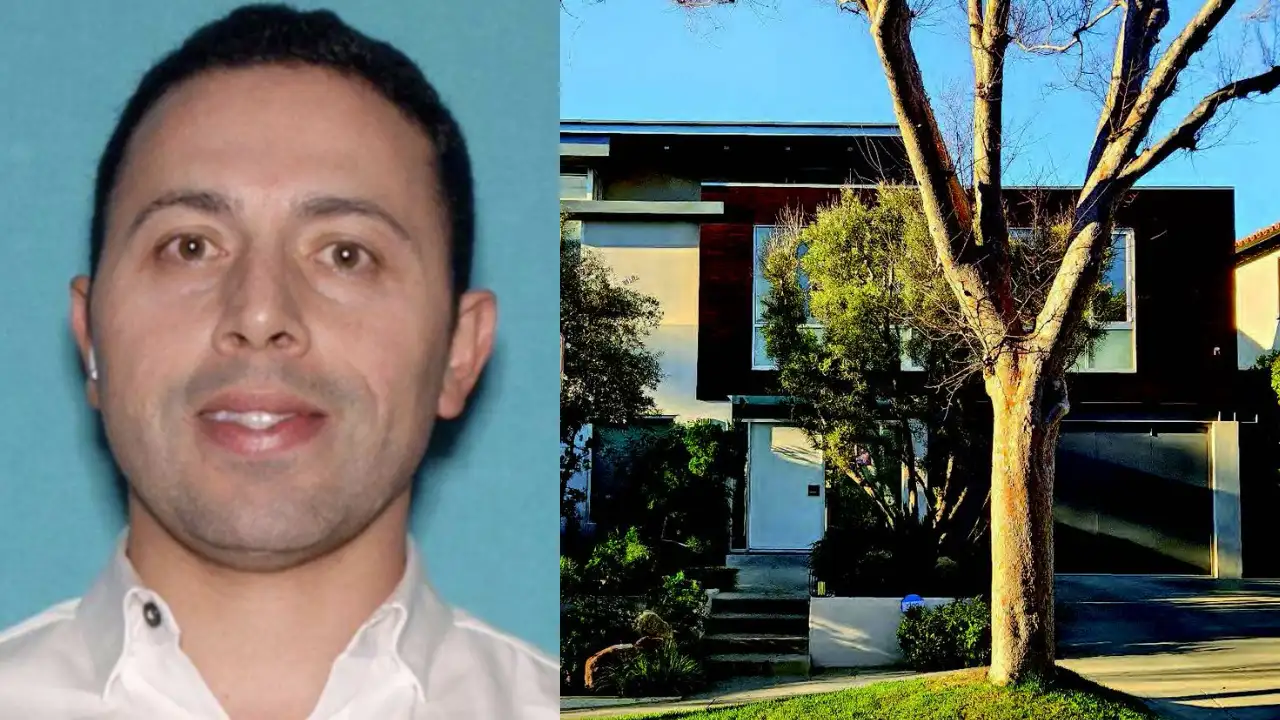
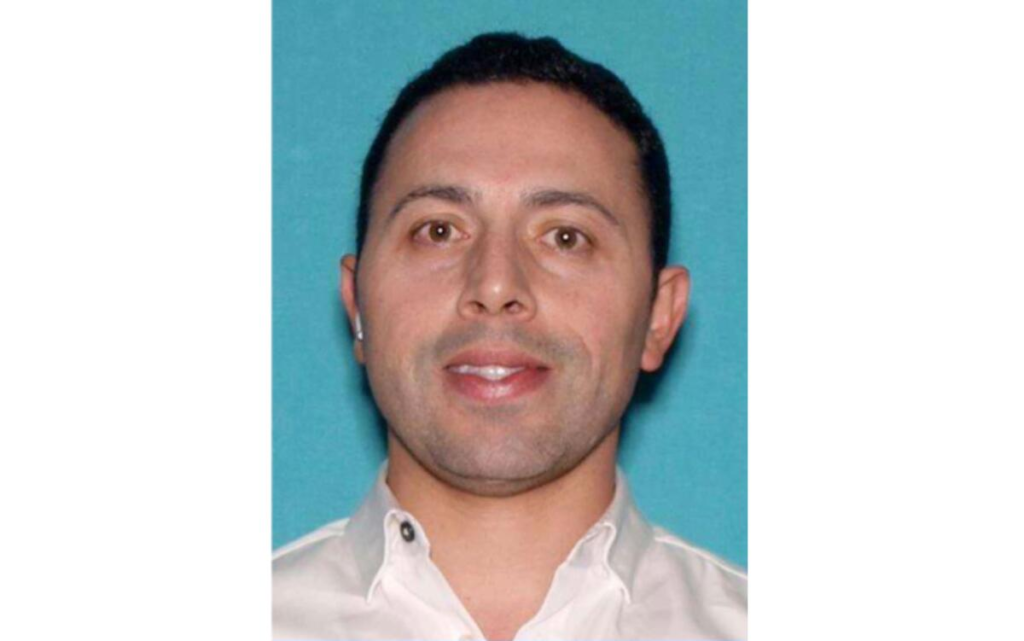
Federal authorities have arrested Alexander Soofer, a 42-year-old executive director of a South Los Angeles charity, accusing him of orchestrating a years-long scheme that diverted millions of dollars intended to help unhoused residents into his personal bank accounts. Prosecutors allege that Soofer, who led the Hyde Park–based nonprofit Abundant Blessings, misused public funds to finance a lavish lifestyle that included a multimillion-dollar home in Westwood, luxury vehicles, private school tuition for his children, international travel, and a vacation property in Greece.
The case has drawn renewed scrutiny to the oversight of homeless services funding in Los Angeles, where billions of dollars have been allocated over the past decade amid persistent concerns about accountability and results. According to federal court filings, Soofer was charged with wire fraud following an investigation into how Abundant Blessings used more than $23 million in homeless housing funds between 2018 and 2025.
Authorities contend that instead of providing adequate housing, meals, and supportive services to hundreds of vulnerable people, Soofer systematically misrepresented expenses, fabricated invoices, and concealed conflicts of interest to enrich himself. The allegations have prompted strong reactions from city leaders and raised broader questions about how public agencies monitor nonprofit contractors entrusted with addressing one of the region’s most urgent social crises.
The Alleged Scheme and the Flow of Public Money
Investigators say the core of the alleged fraud involved contracts between Abundant Blessings and the Los Angeles Homeless Services Authority, or LAHSA, as well as funding that flowed through another downtown Los Angeles–based nonprofit, Special Service for Groups Inc. By July 2023, Alexander Soofer reportedly oversaw multiple contracts to provide housing and supportive services for more than 600 people experiencing homelessness or at risk of becoming homeless across several South Los Angeles locations.
Court documents indicate that Abundant Blessings received more than $23 million in public funding over a seven-year period. Of that amount, more than $5 million came directly from LAHSA, while over $17 million was routed through Special Service for Groups Inc. Prosecutors allege that Soofer used these funds in ways that directly contradicted the terms of the contracts, which required the provision of safe housing, adequate shelter arrangements, and three nutritious meals per day for program participants.
Federal authorities claim Soofer misrepresented where and how participants were being housed. In some contracts, he stated that individuals would be sheltered at properties managed by Abundant Blessings. In others, he claimed the charity would place participants in hotels or motels. Prosecutors allege that Soofer falsely told state and local agencies that Abundant Blessings was leasing properties from third-party landlords at market rates, when in fact he personally owned at least one of the properties and was not paying rent at all. Despite this, he allegedly billed the state for rental expenses, effectively paying himself with public funds.
To sustain the scheme, investigators say Soofer fabricated invoices and financial documents, sometimes using the names, addresses, and logos of legitimate companies without authorization. These false records were allegedly submitted to justify payments for housing services and vendor expenses that either did not exist or were grossly inflated. Authorities contend that the money was then diverted into Soofer’s personal accounts, rather than being used to support unhoused individuals as required.
Read : Watch Video Of Indian-Origin Techie Laid Off in US: Being Replaced by Indians Living in India
Complaints from neighbors and discrepancies in billing records eventually triggered site visits by city and county investigators. According to court filings, these visits revealed stark contrasts between what Soofer reported and what was actually happening on the ground. Instead of providing balanced, nutritious meals, inspectors reportedly found that residents were being served basic items such as ramen noodles, canned beans, and breakfast bars. Neighbors of one large complex operated by Abundant Blessings described ongoing disturbances, with frequent foot traffic, drinking, and disorderly behavior, further calling into question the quality and management of the services being provided.
Luxury Purchases and Personal Enrichment Allegations
Prosecutors allege that Soofer personally pocketed at least $10 million through the scheme, using taxpayer-funded homeless assistance dollars to support an extravagant lifestyle. Among the most striking allegations is the purchase of a $7 million home in Westwood, including millions of dollars in upgrades and renovations. Authorities say public funds were used to cover a substantial down payment on the property, which stands in sharp contrast to the mission of the charity he was leading.
In addition to the Westwood residence, Soofer is accused of spending approximately $125,000 on a Range Rover and using charity funds to pay for private school tuition for his children. Federal filings also detail extensive travel expenditures, including trips to Las Vegas, stays at luxury resorts in destinations ranging from Hawaii to Florida, and private jet travel. Prosecutors further allege that Soofer sent roughly $475,000 to a Greek property developer to purchase a vacation home in Greece, again using money that was intended to support homeless housing programs in Los Angeles.
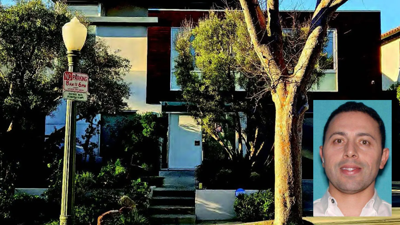
Authorities argue that these expenditures demonstrate a pattern of deliberate and sustained misuse of public funds, rather than isolated or accidental financial mismanagement. The criminal complaint filed in state court also alleges conflicts of interest in at least 11 contracts, suggesting that Soofer failed to disclose his personal financial interests while negotiating and administering agreements with public agencies.
The case includes both federal and state charges. At the federal level, Soofer faces a wire fraud charge that carries a potential sentence of up to 20 years in prison if convicted. The state case, announced by Los Angeles County District Attorney Nathan Hochman, carries a possible maximum sentence of 17 years. Together, the cases underscore the seriousness with which prosecutors are treating the alleged misconduct and the broader implications for public trust.
Political Reaction and Broader Accountability Questions
The arrest of Alexander Soofer has prompted strong reactions from city officials and renewed debate over how Los Angeles oversees its sprawling network of homeless service providers. Mayor Karen Bass issued a statement condemning the alleged actions and emphasizing a zero-tolerance stance on fraud involving public resources. She described the allegations as deeply troubling, noting that the misuse of funds directly undermines efforts to help unhoused residents and erodes confidence in government programs designed to address homelessness.
City Councilwoman Monica Rodriguez also weighed in, calling the case yet another example of systemic failures in oversight and accountability. She pointed to her own legislative efforts to allow the city to contract directly with homeless service providers, arguing that LAHSA has repeatedly failed to provide the level of monitoring required to safeguard taxpayer dollars. In her statement, Rodriguez described the alleged misconduct as indefensible, emphasizing that enormous resources have been wasted while many people remain without stable housing or adequate support.
The case has broader implications for Los Angeles, which continues to grapple with one of the largest homeless populations in the United States. Over the years, voters and policymakers have approved billions of dollars in funding through local measures and state programs, with the expectation that these investments would lead to measurable reductions in homelessness and improvements in services. High-profile fraud allegations such as this one risk fueling public skepticism and could complicate future efforts to secure funding or expand programs.
Advocates for unhoused individuals have also expressed concern that cases like this harm the credibility of legitimate service providers who work diligently to deliver housing, meals, and support under challenging conditions. They argue that while accountability is essential, it is equally important not to paint the entire nonprofit sector with a broad brush, as many organizations rely on public trust and funding to carry out critical work.
As the legal process moves forward, Soofer is presumed innocent unless and until proven guilty in court. However, the detailed allegations laid out in federal and state filings provide a sobering look at how vulnerable systems can be exploited when oversight fails. The outcome of the case may influence not only Soofer’s future but also how Los Angeles and other jurisdictions structure, monitor, and enforce contracts with organizations tasked with addressing homelessness.