

Alexandra Hildebrandt, woman from Germany and owner of the Wall Museum at Checkpoint Charlie in Berlin, Gives Birth to 10th Child at 66. The birth of her son, Philipp, on March 19, has drawn significant attention due to her age and the rarity of such an event in medical history.
Despite the biological odds against conception at such an advanced maternal age, Hildebrandt has consistently defied expectations, having eight of her children after the age of 50.
Hildebrandt’s journey into motherhood began in 1977 with the birth of her first child. However, her remarkable series of late pregnancies has fascinated both the medical community and the public. Each of her younger children was delivered via C-section, and her latest delivery was no exception.
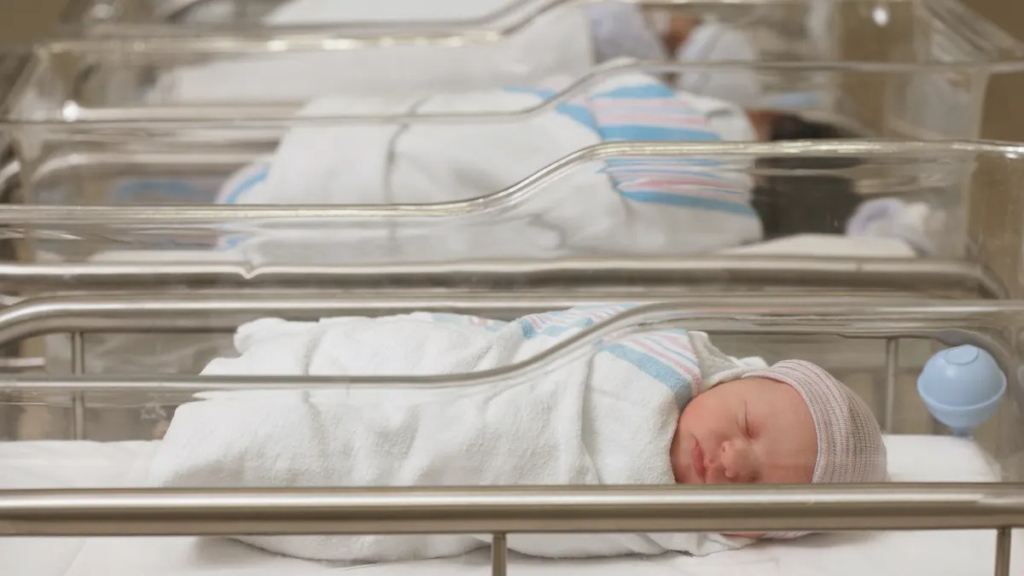
Born at Charite Hospital in Berlin, Philipp weighed a healthy seven pounds, 13 ounces, though he was placed in an incubator for observation. The delivery was reportedly smooth, with medical professionals praising Hildebrandt for her exceptional health and physical condition.
A Mother Who Defies Age and Medical Norms
For many, pregnancy in the 60s is considered nearly impossible without medical intervention, but Alexandra Hildebrandt has claimed that she conceived naturally and without the use of fertility drugs. This is an extraordinary claim, given that the chances of conception for women over 45 are less than 5%, and menopause typically occurs between the ages of 50 to 55.
Experts, including Dr. Alex Robles of Columbia University Fertility Center, have remarked on the extreme rarity of such a case, noting that natural reproduction at her age is virtually unheard of.
Despite these odds, Hildebrandt has maintained a lifestyle that she believes has played a significant role in her ability to conceive and carry pregnancies successfully.
Read : Woman Gives Birth On Bangkok Street After Earthquake Led to Hospital Evacuation
She follows a strict regimen of healthy eating, regular swimming, long-distance running, and abstaining from alcohol, smoking, and contraception. She credits her physical well-being for her ability to sustain multiple pregnancies well into her senior years.
Read : Andaman’s Onge Tribe King Totoko and Queen Priya Welcome Baby Boy: Population Reaches 136
Her story has reignited debates surrounding later-life pregnancies and the challenges and advantages they present. While modern medicine has advanced significantly, making it possible for women to conceive later in life through assisted reproductive technologies, Hildebrandt’s case is unusual in that she did not require such interventions.
Advocating for Larger Families and the Joy of Parenthood
Alexandra Hildebrandt’s perspective on family and children stands in contrast to global trends, where birth rates in many developed countries are declining. She has expressed a firm belief that society should encourage people to have more children, countering what she sees as an increasing hostility toward larger families.
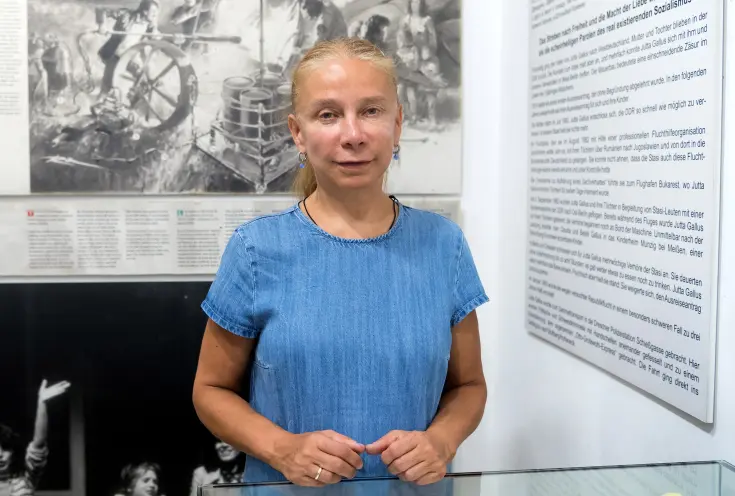
In an interview with the German newspaper Bild, she stated, “We should encourage people to have more children!” Her statement reflects her deep appreciation for motherhood and the joys it brings. With children ranging from infancy to 45 years old, Hildebrandt’s life is deeply intertwined with parenting.
Her advocacy for larger families stems not only from personal experience but also from a broader societal viewpoint. Many developed nations, including Germany, have faced declining birth rates and an aging population, raising concerns about workforce shortages and economic sustainability. Her perspective aligns with those who argue that increasing birth rates can help counteract demographic imbalances.
The Challenges and Rewards of Late Motherhood
While Hildebrandt celebrates her growing family, there are undeniable challenges associated with being a mother at 66. Older parents may face increased health risks, both for themselves and their children.
Pregnancy at an advanced maternal age carries a higher likelihood of complications, including gestational diabetes, high blood pressure, and preterm birth. Additionally, children born to older mothers may have a slightly increased risk of genetic conditions.
However, Hildebrandt’s case highlights that with exceptional health and medical supervision, late pregnancies can be managed successfully. Her doctors have noted her strong physical constitution and mental resilience as key factors in her ability to navigate multiple pregnancies safely.
Beyond medical concerns, parenting at an older age also brings logistical and emotional challenges. Raising young children requires significant energy, patience, and adaptability. Many critics argue that older parents may struggle with the physical demands of childcare or may not live long enough to see their children reach adulthood.
Yet, Alexandra Hildebrandt remains undeterred, insisting that she feels much younger than her age and embraces motherhood with enthusiasm.
Her story serves as an inspiration to many but also raises important questions about the feasibility and ethics of late pregnancies. While some view it as a testament to human resilience and medical progress, others question whether it is fair to bring children into the world when parents may not be around to support them for long.
Alexandra Hildebrandt’s journey is extraordinary, defying expectations and pushing the boundaries of what is considered possible in maternal health. Her story will likely continue to spark debate on age, fertility, and the evolving definitions of family and parenthood.