

The Carolina Forest wildfire, which has scorched over 2,059 acres of land near Myrtle Beach, South Carolina, has been linked to a residential fire pit blaze that got out of control.
Authorities have arrested Alexandra Bialousow, a 40-year-old resident, in connection with the fire, charging her with negligence in allowing the fire to spread to neighboring properties.
The fire has led to large-scale evacuations, disrupted daily life in the region, and required significant firefighting resources, including assistance from the National Guard. While no fatalities or severe injuries have been reported, the fire has caused considerable damage, underscoring the dangers of unattended or improperly managed residential burns.
Negligence and Legal Consequences
Alexandra Bialousow is facing charges for failing to take necessary precautions while burning debris in her backyard fire pit. According to reports from the South Carolina Forestry Commission, witnesses saw her intentionally start the fire in her fire pit, which was situated near a tree line within the Covington Lakes Subdivision.
The official arrest warrant indicates that she neither had an adequate water source nearby nor any garden tools to control the flames, which quickly spread beyond her property.
The charges highlight the legal ramifications of improper fire safety practices. Fire officials stress that individuals who conduct open burns are responsible for ensuring that the fire remains contained. In this case, Alexandra Bialousow is accused of neglecting these responsibilities, leading to a massive wildfire that has put the lives and properties of others at risk.
Read : $9 Million Mansion ‘Last House Standing’ Survived California Wildfire
She has been charged with two violations: failing to prevent the escape of a fire and negligently allowing the fire to spread to other lands. If convicted, she could face fines, legal penalties, and possibly even jail time, depending on the severity of the case and South Carolina’s fire-related laws.
🚨 #BREAKING Incoming smart city in Myrtle Beach.
— SyeClops (@SyeClops) March 2, 2025
South Carolina Governor Henry McMaster declared a state of emergency today as over 175 wildfires burn across South and North Carolina, scorching more than 4,200 acres. The largest fire, in the Carolina Forest near Myrtle Beach,… pic.twitter.com/7FhjA02Sri
This case serves as a warning to others about the importance of adhering to fire safety regulations, especially in areas prone to wildfires. Many states and counties have strict guidelines regarding open burns, particularly during dry seasons when fire risks are heightened. Violating these regulations can have serious consequences, as seen in this situation, where a small fire quickly escalated into a large-scale disaster.
The Scale and Impact of the Carolina Forest wildfire
The wildfire, now named the Covington Drive Fire, has consumed thousands of acres, with only 55 percent of it being contained at the latest reports.
Firefighters and emergency response teams have been working around the clock to contain the blaze, with assistance from the National Guard, which has deployed helicopters to conduct targeted water drops. The Florida Forest Service has also joined the efforts, emphasizing the severity of the situation and the need for additional resources.
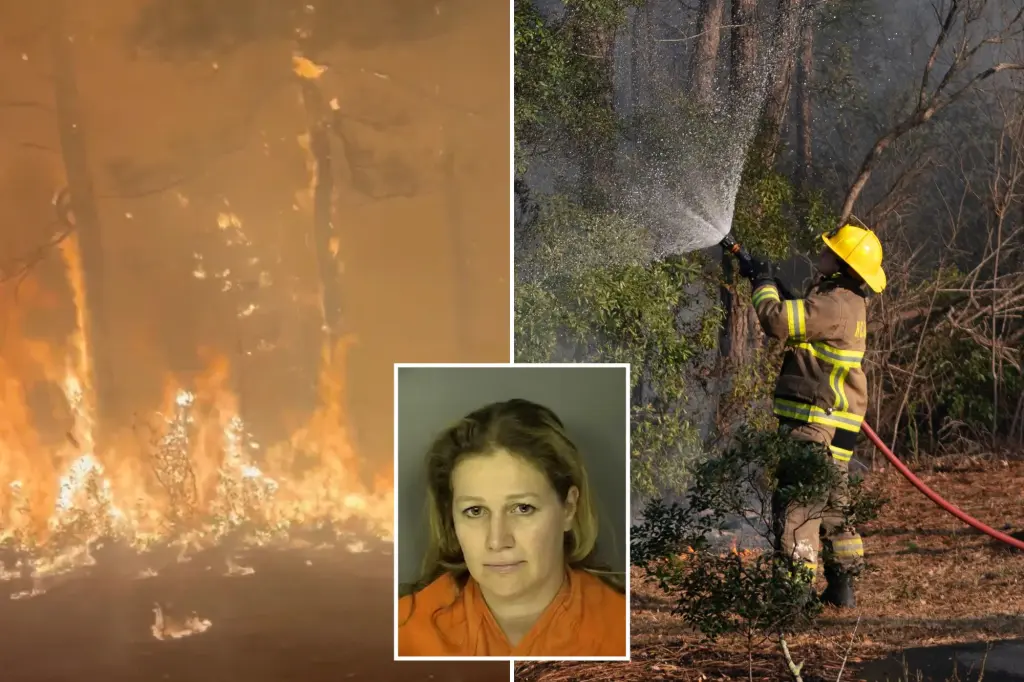
Fueled by dry conditions and strong winds, the fire spread rapidly, forcing evacuations in various neighborhoods in Horry County. Residents were asked to leave their homes as the fire threatened properties, and the thick smoke from the blaze made visibility on roads significantly worse, causing additional concerns for public safety.
Smoke from the fire remains a persistent problem, with officials warning that it will continue to linger as suppression efforts continue. Despite the fire’s intensity, there have been no reports of fatalities or severe injuries.
However, some structures sustained damage, and local authorities have urged residents to remain vigilant as efforts to fully contain the fire continue. Given the dry and windy weather conditions, firefighters face ongoing challenges in ensuring that the flames do not spread further.
Fire Safety Measures and Community Response
The Carolina Forest wildfire has reignited discussions about fire safety and the importance of burn bans. A burn ban was already in effect for Horry County at the time of the fire, yet at least five people have been cited for burning during the prohibition.
Local authorities stress that burn bans exist to prevent precisely this kind of disaster, where dry conditions make it easy for small fires to escalate into uncontrollable blazes. In response to the wildfire, community members and emergency services have been working together to support those affected.
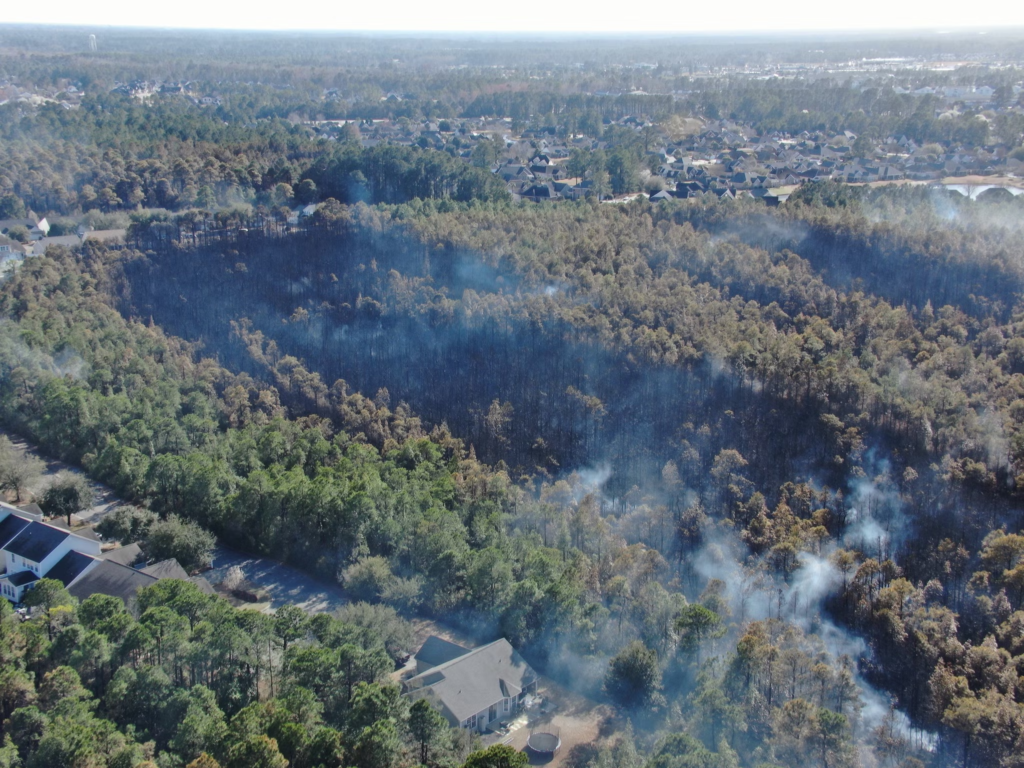
Local fire departments, law enforcement, and disaster relief organizations have provided assistance, while residents have come together to help displaced individuals. Fire officials have also urged residents to be more cautious with any activities involving open flames, especially during dry and windy conditions.
The incident also underscores the importance of preparedness in wildfire-prone areas. Experts recommend that homeowners create defensible space around their properties, keep emergency supplies on hand, and have evacuation plans in place in case of a fire emergency. The Carolina Forest fire serves as a harsh reminder of how quickly a fire can spread and the devastating impact it can have on a community.
As authorities continue their investigation and suppression efforts, residents of the Myrtle Beach area remain on high alert. The aftermath of this fire will likely lead to stricter enforcement of burn bans and fire safety regulations to prevent future incidents. While the fire is now partially contained, the road to full recovery will take time as officials assess the damage and ensure that the area is safe for residents to return.
The arrest of Alexandra Bialousow signals that accountability will be pursued for those whose actions contribute to such large-scale disasters. As legal proceedings unfold, this case will likely set a precedent for how similar incidents are handled in the future, reinforcing the importance of fire safety measures and community responsibility in preventing wildfires.