
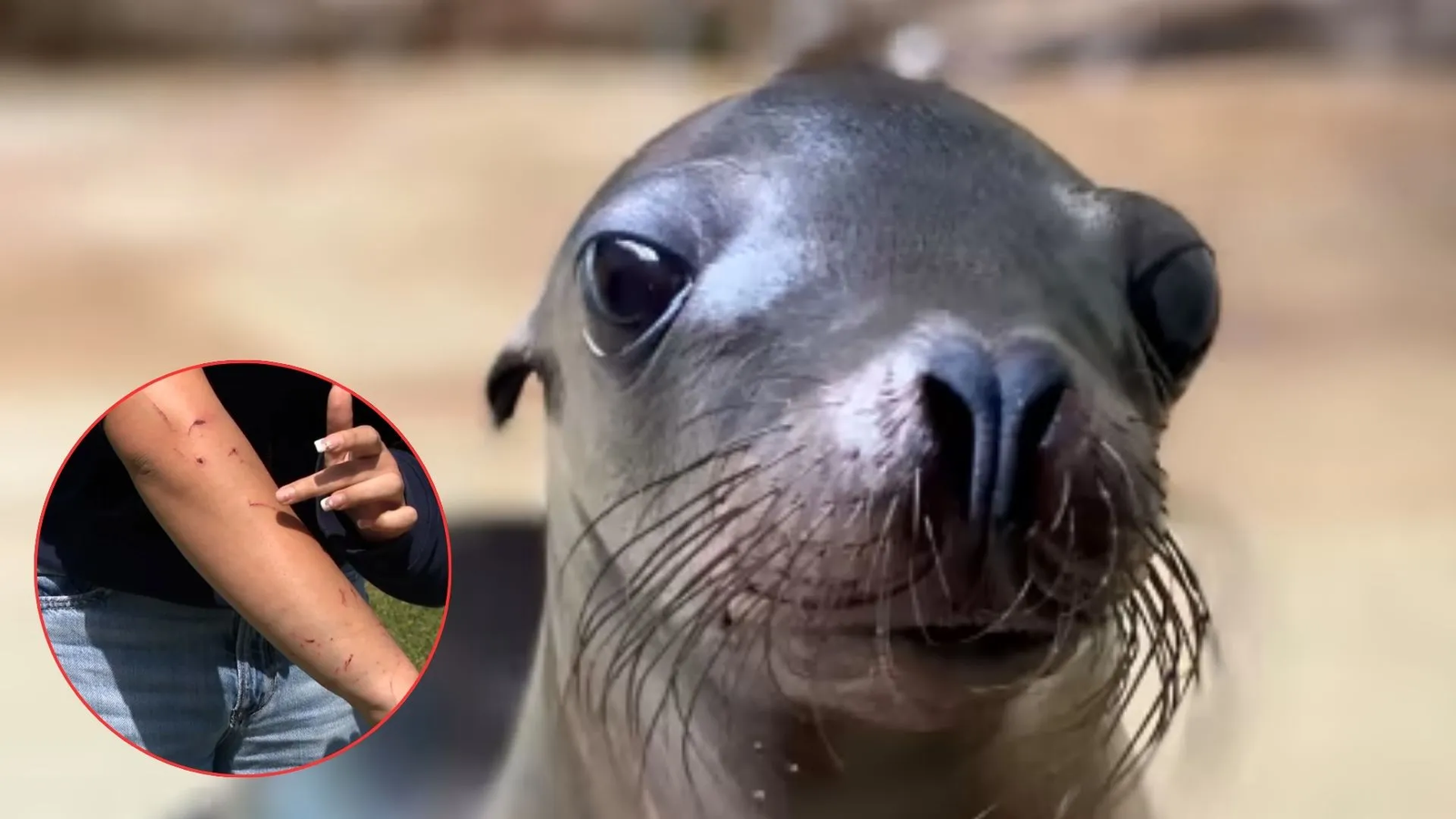
Along the picturesque shores of Southern California, a troubling and unexpected phenomenon is unfolding. Normally perceived as playful and even endearing, Sea Lions Attacking Humans and surfers in the waters they once shared peacefully.
These alarming incidents, including a harrowing encounter involving a 15-year-old swimmer and another terrifying attack on a seasoned surfer, have stirred public concern.
Marine experts now point to a surge in algae-induced toxins as the underlying cause. As climate patterns shift and human activities accelerate ecosystem changes, these toxic blooms are wreaking havoc on marine life and, consequently, human interactions with ocean creatures.
The Silent Poison in the Waters
The ocean, a vast ecosystem teeming with life, is currently under siege from a microscopic threat—domoic acid. This neurotoxin is produced by harmful algal blooms, particularly those known as red tides.
While these blooms have long been a natural part of marine ecosystems, the frequency, duration, and severity of such events have intensified due to human-induced climate change. Warmer sea surface temperatures and nutrient runoff from agricultural lands rich in nitrogen have provided a perfect storm for algae to flourish.
When this toxin infiltrates the food chain, it is ingested by fish and shellfish, which are then consumed by marine mammals such as sea lions and dolphins. The result is a condition known as domoic acid toxicosis, which disrupts neurological functioning in affected animals.
John Warner, CEO of the Marine Mammal Care Center in Los Angeles, describes the symptoms with grave concern: affected sea lions are often comatose, disoriented, and in severe distress. They experience seizures, respiratory issues, and behavioral anomalies like “stargazing,” where they tilt their heads back unnaturally for prolonged periods.
This neurological disturbance often induces aggressive or hyper-reactive behaviors. In their frightened and confused state, sea lions have begun attacking humans in the water—an extremely rare and distressing development.
Read : Yemen’s Houthi Group Attacks Israeli Ships with Drones and Missiles in Red Sea
Phoebe Beltran, a 15-year-old junior lifeguard hopeful, experienced this firsthand when a sea lion bit her arm repeatedly during a swim in Long Beach. Similarly, surfer RJ LaMendola described an intense and terrifying sea lion attack that left him emotionally shaken. In both cases, the animals displayed behavior described as wild, feral, and devoid of their usual curiosity.
Toxic Blooms and a Collapsing Marine Ecosystem
The scale of this toxic crisis is staggering. Over just five weeks, the Marine Mammal Care Center received more than 2,000 emergency calls—a volume likened to a tsunami. These reports include not only sea lions but also dolphins and seabirds exhibiting signs of distress or washing up dead.
In 2023, the region witnessed the worst algae bloom in recorded history, and 2025 is shaping up to be even more devastating, not only due to the number of affected animals but also the severity of their conditions.
This crisis highlights the interconnected nature of marine ecosystems. As the upwelling of nutrient-rich waters feeds algae, which in turn produce domoic acid, every organism in the food chain is put at risk.

Apex predators like sea lions and dolphins, which rely on fish that consume the toxic algae, are especially vulnerable. Warner emphasized that what was once a periodic ecological disturbance has now become an annual event due to global warming and agricultural pollution.
The impacts are especially dire for pregnant sea lions. Around 80% of those treated this year at the care center were found to be pregnant, and many have been forced to abort their fetuses in order to survive the poisoning.
This trend, if sustained, could threaten the long-term survival of the species. In the meantime, elephant seal and sea lion pups are also being found stranded in increasing numbers, unable to fend for themselves in toxic waters.
Rescue and rehabilitation centers are working tirelessly to save these animals. Treatment includes administering anti-seizure medication, providing hydration, and delivering nutritional support to flush the toxin from their systems.
While some animals recover within a week, many in this year’s outbreak remain in a semi-comatose state for weeks, raising concerns about their ability to survive. A triage center has even been set up in the parking lot of the Marine Mammal Care Center to accommodate the overflow of sick creatures, underscoring the overwhelming scale of this crisis.
The Human Footprint and a Warning from Nature
The growing frequency of harmful algal blooms is a direct consequence of human activity. Coastal development, agricultural runoff, and global warming have altered the chemistry and dynamics of the ocean in unprecedented ways.
When fertilizers and other nutrient-rich substances enter the marine environment through rivers and streams, they act as food for algae, which then bloom uncontrollably under the warming influence of climate change.
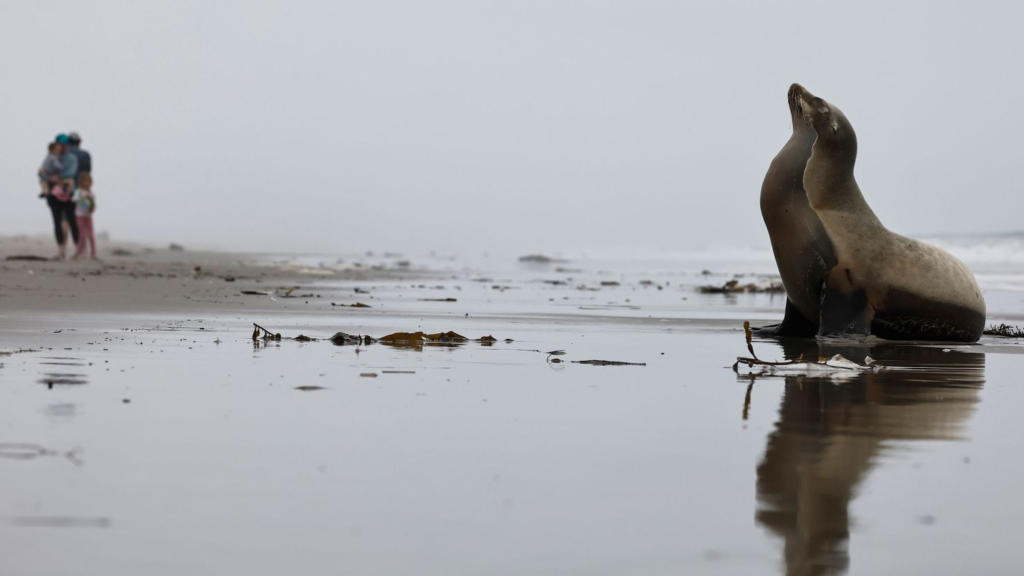
Warner explains that what we are witnessing is a system “out of whack.” These toxic blooms were once occasional events, occurring every few years. Now they have become annual occurrences, increasingly severe and widespread.
The Channel Islands, which serve as a primary breeding ground for California sea lions, have become the epicenter of these outbreaks for the past four years. The consequences extend far beyond the immediate suffering of marine animals.
The ocean is an integral part of Earth’s life support system, regulating temperatures, supporting biodiversity, and providing food for billions. The visible and visceral collapse of marine health is a sobering indication that the balance of our planet’s ecosystem is under serious threat.
The sea lion attacks on humans, while deeply unsettling, are just one symptom of a much larger, systemic failure. Dolphins, too, have been severely affected. The Marine Mammal Care Center reports over 70 dolphin strandings in Los Angeles County alone this year.
Unlike sea lions, dolphins cannot be rehabilitated effectively once poisoned. Most are already dead upon stranding, and those found alive often require humane euthanasia. The situation is so dire that the center has already treated 240 animals by the end of March—far beyond what its annual budget was prepared to handle.
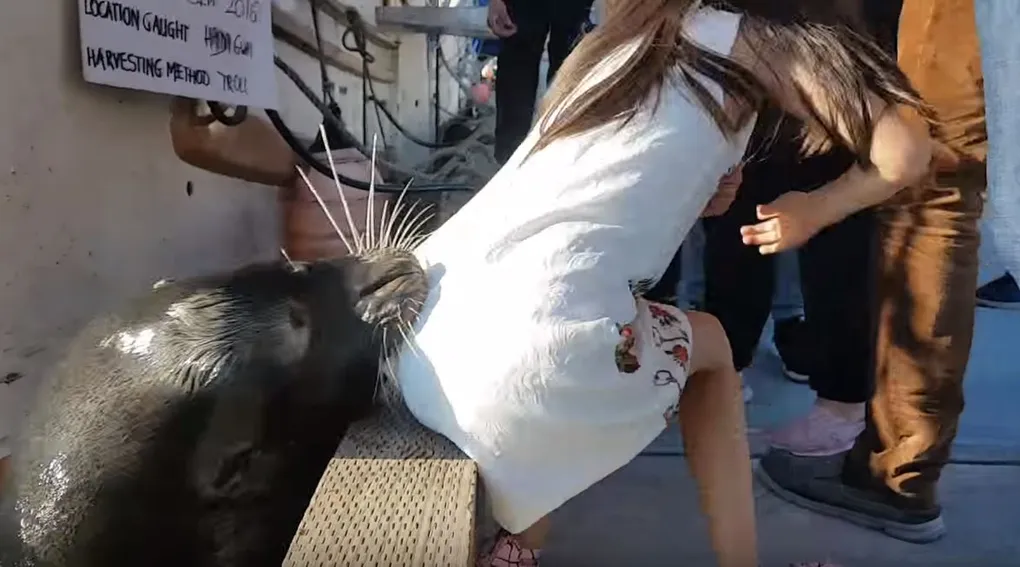
LaMendola, the surfer who survived a sea lion attack, was swimming near the Channel Islands. Given that 85% of California sea lions are born there each June, the proximity to this toxic breeding ground may have increased the likelihood of encountering distressed animals. As the toxins pervade the waters around these islands, more animals will become affected, and more such incidents may occur.
In the end, this isn’t just about poisoned sea lions or stranded dolphins. It’s about what their suffering is telling us. The oceans are changing—and not for the better. As harmful algal blooms increase in size and toxicity, as marine animals die in ever greater numbers, and as once-docile creatures begin lashing out in pain and confusion, we are receiving a stark warning from the natural world.
The future of marine life—and human life along coastal communities—depends on how quickly we can mitigate these environmental stressors. Reducing carbon emissions, curbing agricultural runoff, and protecting our oceans must become priorities if we are to restore balance to our seas. Until then, beachgoers along the California coast may have to tread carefully, not just to avoid aggressive sea lions, but to acknowledge the deeper currents of change beneath the surface.