
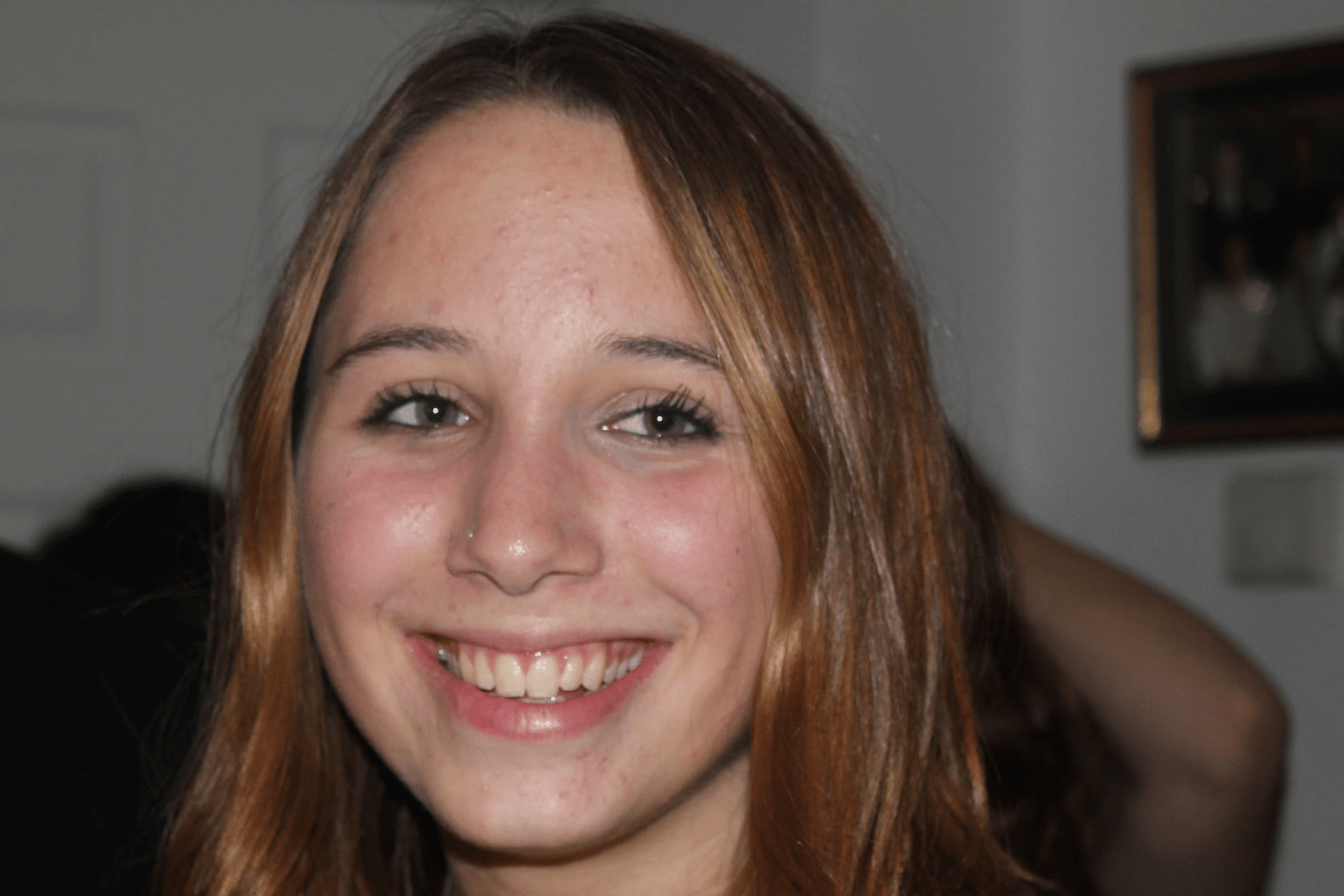
The tragic death of 22-year-old Alice Figueiredo at Goodmayes Hospital in Redbridge has reignited national debate over patient safety and accountability in mental health care. Following a decade-long legal process, the North East London NHS Foundation Trust (NELFT) has been fined £565,000 and ordered to pay £200,000 in costs after being found guilty of breaching health and safety laws.
The case, which exposed severe lapses in safeguarding vulnerable patients, particularly those at risk of self-harm, has been described by Alice’s mother as evidence of a “death trap” system that continues to fail those most in need of protection. Alice Figueiredo’s death on 7 July 2015 came after 18 previous self-harm attempts on the same ward and repeated warnings about environmental risks.
Despite being under continuous supervision in an acute psychiatric unit, she was able to access plastic materials from communal toilets to end her life. The court found that both the Trust and ward manager Benjamin Aninakwa had failed to adequately assess and manage known risks, resulting in what Judge Richard Marks KC called a “terrible tragedy” born of systemic negligence rather than isolated human error.
Systemic Failures and Neglected Warnings
Alice Figueiredo had been admitted to the Hepworth ward in May 2012 with a complex mental health history that included a non-specific eating disorder and bipolar affective disorder. From the outset, she required sustained supervision and an environment free of self-harm risks. Yet, as the court heard, her care was marred by persistent failures to address basic safety concerns. The most critical of these was the continued accessibility of plastic items in communal bathrooms—materials repeatedly used by Alice in self-harm attempts. Despite her mother’s vocal concerns and the patient’s own recorded distress, these risks were not properly mitigated.
Judge Marks noted that a simple measure, such as temporarily locking the communal toilets while Alice was on the ward, could have significantly reduced the danger. He remarked that doing so would have been a minor inconvenience compared to the fatal consequences that ensued. The judge condemned the ward’s management for “a complete failure to adequately assess and manage the risk” posed by accessible plastic materials, calling it a “very serious problem” that had been long overlooked.
The Trust’s internal handling of Alice’s case reflected a broader culture of administrative complacency. Records of self-harm incidents were either incomplete or ignored, and safety recommendations were inconsistently implemented. Ward manager Benjamin Aninakwa, who was on a performance improvement plan at the time, failed to ensure that previous incidents were properly logged or evaluated.
Jurors heard that he did not take sufficient steps to escalate the growing risks or respond to family concerns, despite knowing that Alice was the only actively suicidal patient on the ward. Outside the Old Bailey, Jane Figueiredo, Alice’s mother, spoke passionately about her daughter’s treatment. She described the ward as a “death trap” and a “fatality waiting to happen,” emphasizing that her daughter’s repeated pleas for help were met with indifference.
Read : Shocking Pentagon Study Found That More U.S. Soldiers Died by Suicide Than Combat from 2014 to 2019
“People behind the locked doors on mental health wards are some of the least seen and heard people in our communities,” she said. “Their voices are all too easily dismissed, used against them or silenced.” Her words captured the frustration of many families who feel that institutional neglect has become an entrenched feature of the mental health system.
The Court’s Verdict and Accountability
After years of investigation, the case against the North East London NHS Foundation Trust and Benjamin Aninakwa finally came before the courts. The Trust was cleared of corporate manslaughter but found guilty of breaching health and safety laws. Judge Marks highlighted that the organization’s financial situation was “absolutely parlous,” acknowledging that a large fine could potentially affect its ability to deliver services, but still determined that accountability was essential. The Trust was fined £565,000 and ordered to pay an additional £200,000 in legal costs.
Ward manager Aninakwa, aged 54, was convicted of failing to take reasonable care for the health and safety of patients. While he denied wrongdoing and chose not to give evidence, the court found that his negligence spanned several weeks and directly contributed to the unsafe conditions that led to Alice’s death. Judge Marks sentenced him to six months in prison, suspended for 12 months, along with 300 hours of unpaid community work.
In his televised remarks, Judge Marks described Alice Figueiredo as a “beautiful, vibrant young woman” with “a hugely attractive personality and great talent.” He emphasized that her death represented not only an individual tragedy but a systemic failure to protect vulnerable people in care. “Your negligent breach of duty went on for weeks,” he told Aninakwa. “You knew that she was suicidal – she was the only patient on the ward that was.”

The judge also took into account the extraordinary ten-year delay between Alice Figueiredo’s death and the conclusion of legal proceedings. The investigation began in 2016 but charges were not brought until September 2023, a delay that prolonged the suffering of the Figueiredo family. The decision to suspend Aninakwa’s sentence was influenced by this delay, which Judge Marks described as “regrettable” but ultimately outside the control of the court.
For Jane Figueiredo, however, the delayed justice offered little solace. She has long argued that her daughter’s death was preventable and that both the Trust and individual staff members repeatedly ignored clear warning signs. Speaking after the verdict, she urged for urgent systemic reform: “My daughter was failed horribly and experienced a litany of failures which crushed her spirit and ended her life. No family should ever have to go through what we did.”
Ongoing Questions About Mental Health Care and Safety Oversight
The sentencing of NELFT and its ward manager has intensified scrutiny of patient safety within NHS mental health services. Campaigners argue that the case is emblematic of deeper structural issues, including chronic underfunding, staff shortages, and a failure to enforce safety protocols in high-risk environments. Hepworth ward, described by families as understaffed and poorly supervised, was not unique in facing such problems. In recent years, several NHS trusts have faced criticism over similar incidents involving preventable suicides in psychiatric units.
Mental health professionals have pointed to the need for stronger environmental risk assessments and more consistent staff training. The accessibility of ligature materials and self-harm implements remains a persistent issue across wards nationwide, despite longstanding guidance from regulators such as the Care Quality Commission (CQC). Following Alice Figueiredo’s death, NELFT reportedly introduced new safety measures, including enhanced ligature audits and stricter supervision policies, but critics say such reforms often come too late and are inconsistently maintained.
The case also exposes tensions between mental health care’s therapeutic goals and its custodial realities. Patients like Alice Figueiredo, whose conditions combine emotional vulnerability with impulsive self-harm tendencies, require both compassion and structured safeguards. However, as the court highlighted, the institutional setting often fails to balance care with security. Simple interventions—such as removing hazardous materials or temporarily locking risky areas—can be overlooked due to bureaucratic rigidity or staffing pressures.
Furthermore, the ten-year delay in achieving accountability has raised questions about how quickly NHS failures are investigated and prosecuted. Families often face long waits for inquests or criminal proceedings, during which vital evidence can degrade and institutional memory fades. Campaigners argue that this undermines public trust in the system’s ability to learn from its mistakes.
For the Figueiredo family, the ruling represents only a partial victory. While the court formally acknowledged the Trust’s negligence, the underlying issues that contributed to Alice Figueiredo’s death—staffing inadequacies, weak oversight, and poor environmental management—remain prevalent in many parts of the NHS. Advocacy groups continue to call for a national overhaul of inpatient safety standards, including mandatory risk assessments, improved training on suicide prevention, and the creation of independent monitoring mechanisms for psychiatric wards.
Jane Figueiredo’s words have resonated across the UK’s mental health community. Her plea for compassion, accountability, and visibility for those in psychiatric care underscores a broader struggle for reform. “People on mental health wards are often the least seen and least heard,” she said. “Their voices are dismissed or silenced. That has to change.”
The Goodmayes Hospital case stands as a somber reminder of what can happen when those responsible for care fail to act on clear warning signs. It is also a call for systemic introspection—one that demands the NHS confront not only its operational weaknesses but also its moral duty to protect the most vulnerable individuals within its care.
As the Trust absorbs the financial and reputational consequences of the verdict, questions persist about whether the lessons from Alice Figueiredo’s death will translate into lasting reform. With more than a decade passed since that devastating night in 2015, her story continues to echo as both an indictment and a warning: that in the absence of vigilance, compassion, and accountability, the institutions meant to safeguard life can themselves become instruments of tragedy.
PHFun22? Oh, yeah! Been playing here for a while now. Decent bonuses and the games keep me entertained. Give it a shot when you’re bored! phfun22