
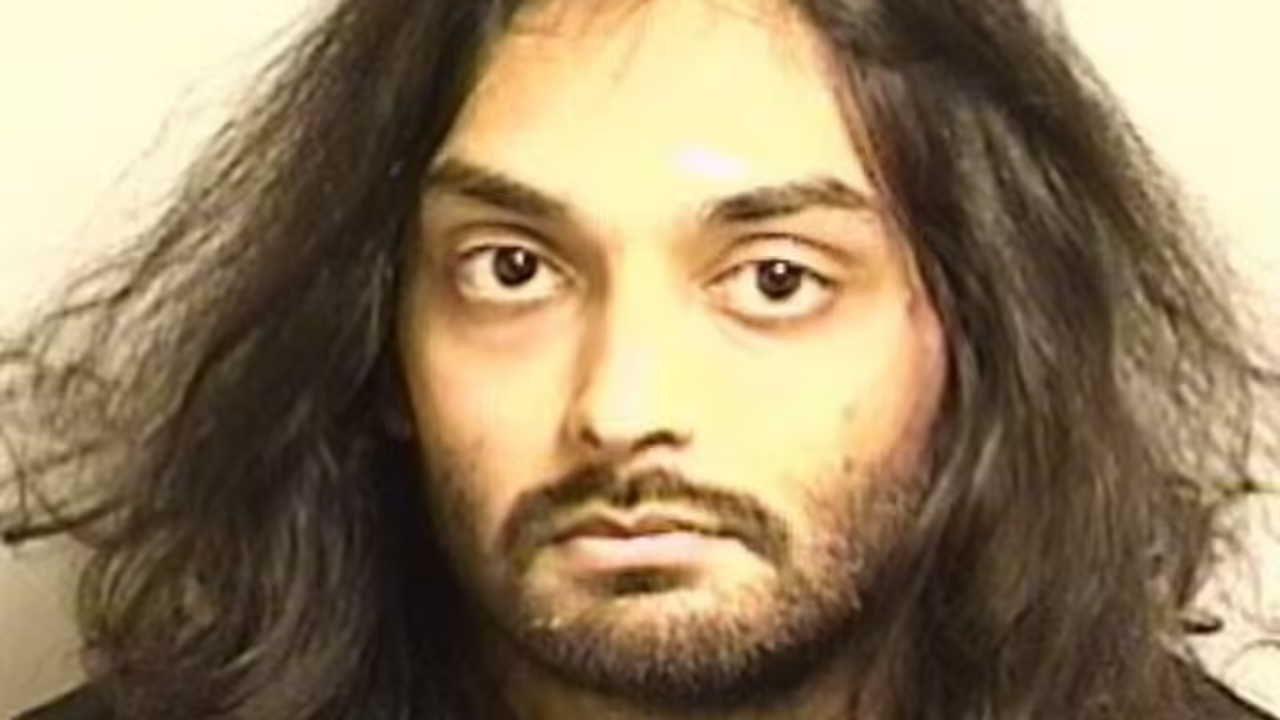
The tragic death of 41-year-old Alix Mari Sparks in San Ramon, California, has brought renewed attention to the deadly consequences of impaired driving and extreme speeding on public roads. The collision, which occurred on the afternoon of November 29, involved a Tesla Model 3 driven at an estimated speed of more than 150 mph (approximately 240 kmph) by 28-year-old Badal Dholaria.
Authorities allege that Dholaria was intoxicated at the time of the crash, and the charges brought against him reflect the severity of the incident. As the case unfolds, the community continues to grapple with the sudden loss of a woman whose life ended in a preventable tragedy, all while important questions arise regarding accountability, road safety, and the broader implications of reckless driving.
The details released by law enforcement and prosecutors paint a deeply troubling picture. According to investigators, Dholaria’s vehicle slammed into the rear passenger side of a Ford Bronco, killing Alix Mari Sparks, who was riding as a passenger, and injuring the 40-year-old male driver who has not yet been publicly identified.
Prosecutors have described the incident as a clear example of wanton disregard for human life, prompting charges that include second-degree murder—one of the most severe accusations leveled in DUI-related fatalities. As the case moves through the legal system, the circumstances surrounding the crash continue to prompt discussions about responsibility, sentencing, and the broader societal issue of driving under the influence.
The Fatal Collision and Initial Findings
Authorities say the crash took place at approximately 3:30 p.m. local time, during a busy period on San Ramon’s roadways when many residents were commuting or running errands. Investigators allege that Dholaria was driving his Tesla Model 3 at dangerously high speeds exceeding 150 mph moments before impact, a level of speed far beyond what any ordinary road environment can safely accommodate. The Tesla’s collision with the Ford Bronco was forceful enough to cause fatal injuries to Alix Mari Sparks, who was seated on the side of the SUV that absorbed the brunt of the impact.
Responding officers reported that the scene showed extensive damage to both vehicles, indicative of the tremendous force involved. First responders transported Alix Mari Sparks to a nearby medical facility, where she was pronounced dead. The driver of the Ford Bronco sustained injuries but was treated and released later that same day.
San Ramon Police issued a statement emphasizing how the excessive speed and impairment combined to create a deadly scenario. According to their assessment, Dholaria’s “reckless disregard for public safety” was a primary factor in the devastating outcome. The combination of alleged intoxication and extreme speeding left little room for reaction, control, or evasive maneuvering, making the crash nearly unavoidable once events were set in motion.
Read : Stacey Taylor Charged with Smuggling Indian Nationals from Canada into the US
Law enforcement officials collected evidence on-site, interviewed witnesses, and administered tests that supported the suspicion of impaired driving. The investigation also involved a detailed forensic analysis of the Tesla’s systems, which often record speed and other operational data. While the public has not been privy to all the technical findings, officials have made clear that the speed estimation came from reliable sources tied to the ongoing case.
Read : What is ‘Bha’: India’s First Indigenous Footwear Sizing System
Dholaria was taken into custody shortly after the incident and later booked into the Martinez Detention Facility, where his bail was set at $1.2 million. Despite the severity of the allegations, he has entered a plea of not guilty to the charges, setting the stage for a lengthy legal process involving evidence presentation, expert testimony, and courtroom proceedings.
Legal Response and the Charges Against Badal Dholaria
In the days following the crash, Contra Costa County District Attorney Diana Becton announced the charges against Dholaria, making it clear that prosecutors intended to pursue the case with the full weight of the law. Among the charges is second-degree murder, a classification that, in the context of DUI-related fatalities, signals that prosecutors believe Dholaria acted with conscious disregard for human life—a step above ordinary vehicular manslaughter.
Prosecutors also filed additional felony charges related to driving under the influence and causing injury. These charges aim to address both the death of Alix Mari Sparks and the injuries sustained by the driver of the Ford Bronco. The legal distinctions matter, as they will influence the potential sentencing should Dholaria be found guilty. Second-degree murder in California carries a prison term of 15 years to life, and DUI enhancements can add substantial additional time.
District Attorney Becton issued a public statement underscoring the severity of impaired driving and the choices that lead to tragedies such as this one. She emphasized that DUI-related crashes are preventable and stem from decisions made long before a collision occurs. Her statement highlighted the responsibility drivers bear not only for themselves but for everyone sharing the road.
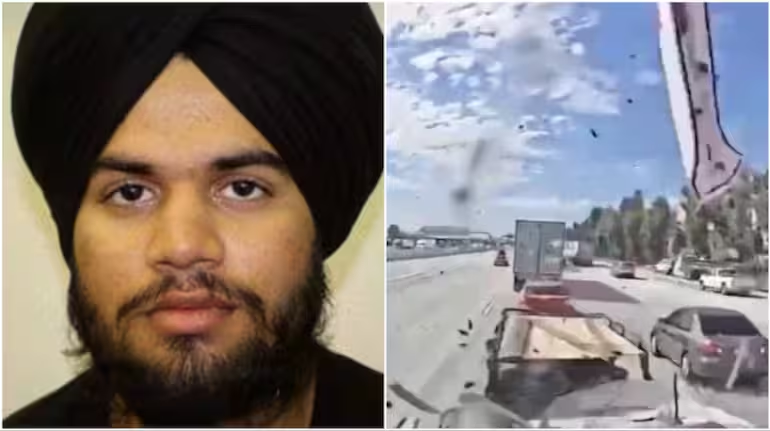
The charges reflect the evolving approach of California prosecutors in handling extreme DUI cases, particularly those involving very high speeds or clear signs of reckless behavior. Over the past decade, courts have increasingly treated such incidents as matters of public safety requiring more serious consequences than traditional traffic-related offenses. When impairment and excessive speed combine, the prosecutorial stance often shifts from negligence to implied malice, forming the basis for second-degree murder charges.
Legal experts observing the case note that the presence of speed estimates exceeding 150 mph is likely to weigh heavily on judicial proceedings. Such speeds leave few mitigating factors, as they exceed any reasonable threshold for safe driving under any condition. The court may also consider data on vehicle performance, environmental conditions at the time of the crash, and Dholaria’s level of impairment. All of these elements can play a significant role in determining both guilt and sentencing.
As Dholaria awaits future hearings, he remains in county custody. His defense team is expected to challenge the prosecution’s evidence, potentially scrutinizing the methods used to estimate speed, the interpretation of intoxication testing, and any procedural questions surrounding the investigation. These legal dynamics will unfold in the coming months, but even at the early stages, the case has already drawn considerable attention due to the tragic loss of life and the severity of the allegations.
Community Reaction and Broader Implications for Road Safety
The death of Alix Mari Sparks has sent waves of grief throughout the community and has sparked discussions about the broader implications of impaired driving, speeding, and road safety culture. Individuals who knew Alix Mari Sparks have expressed shock and sadness, remembering her as someone whose life was cut short without warning. Though the family has not yet issued an extensive public statement, the emotional weight of the tragedy is already evident in the community’s response.
Residents of San Ramon and neighboring cities have expressed concern about the dangers posed by high-speed driving, especially involving powerful modern vehicles capable of rapid acceleration. Electric vehicles such as the Tesla Model 3 have advanced performance capabilities that, when misused, can quickly lead to catastrophic outcomes. The incident has reignited debates surrounding whether additional safeguards, technological limits, or legal measures are needed to prevent dangerous speeding on public roads.

Discussions have also emerged about the persistent challenges associated with DUI enforcement. Law enforcement agencies routinely remind the public of the dangers of impaired driving, yet such incidents continue to occur, often with life-altering consequences. Public safety campaigns emphasize that even small amounts of alcohol, marijuana, prescription drugs, or illicit substances can impair the ability to operate a vehicle responsibly. Advocates argue that community awareness and stronger social deterrents remain essential to reducing tragedies of this nature.
In San Ramon, the crash has become a focal point for conversations about preventive measures, from increased patrol presence to educational initiatives targeting both young drivers and adults. Some community leaders have called for renewed attention to road safety infrastructure and enforcement strategies that might help deter dangerous behavior. Others note the importance of mental health and substance abuse support programs, which can contribute indirectly to reducing impaired driving.
The incident also highlights the broader societal issue of accountability on the road. With vehicles becoming faster and more technologically advanced, the responsibility placed on drivers becomes even more significant. Public safety experts often point out that roads are shared spaces where individual decisions can have profound impacts on the lives of others. As the legal process for this case continues, these conversations will likely remain active within the community.
The tragic death of Alix Mari Sparks has left a profound impact on those who knew her and on the broader public, serving as a stark reminder of how quickly lives can be altered by a single act of recklessness. The loss is felt deeply, and the ongoing case stands as a critical moment for reflection as legal proceedings and community discussions progress in the months ahead.