
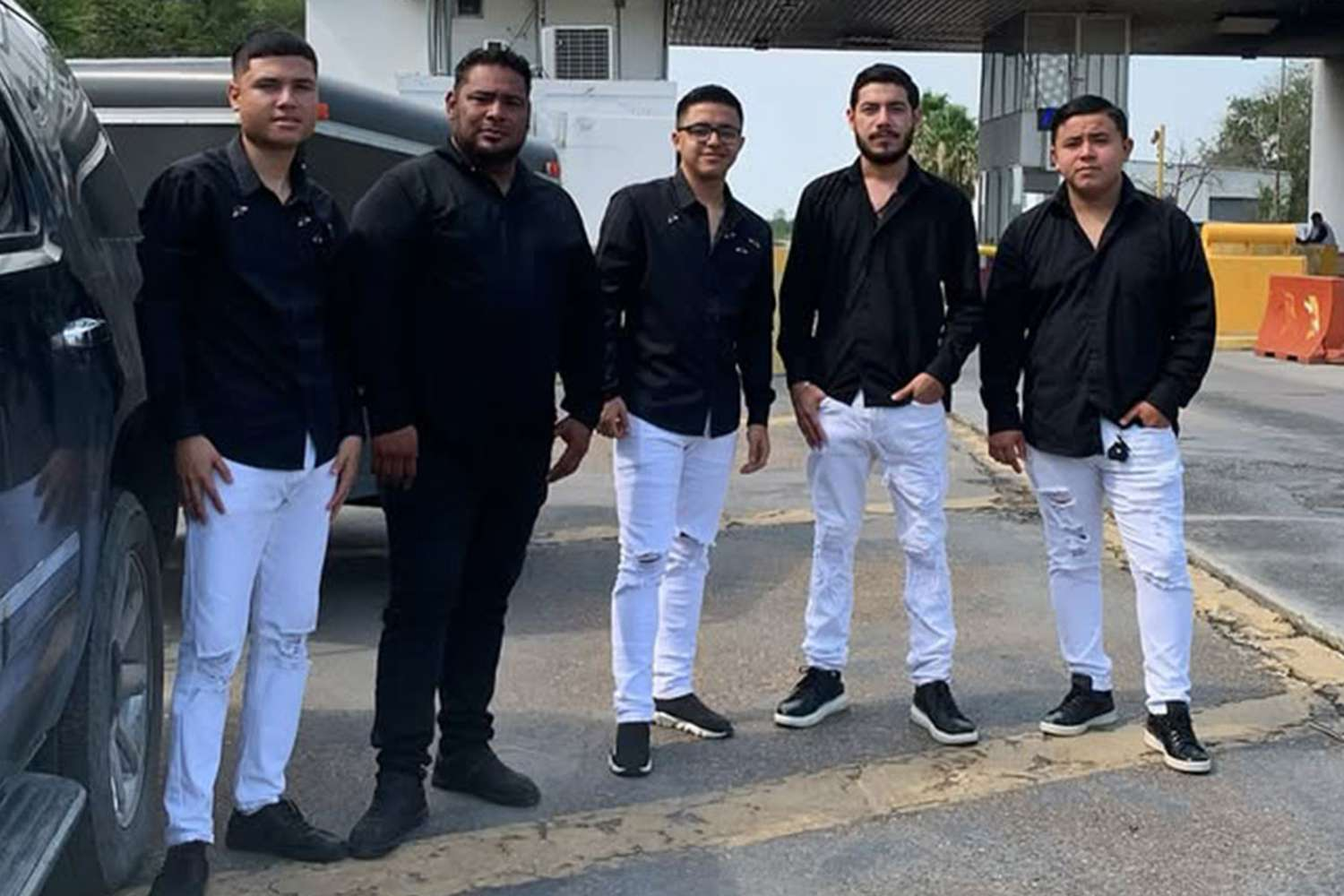
The city of Reynosa, located along the volatile Texas-Mexico border, is once again in the spotlight for a harrowing crime that has shaken both local residents and music lovers across the nation.
The five members of the regional Mexican band Grupo Fugitivo were kidnapped on Sunday, May 25, 2025, around 10:00 PM local time, while en route to a scheduled performance in Reynosa, Tamaulipas. They were last seen at the Reynosa-Hidalgo International Bridge after performing at a private event.
Their charred bodies were discovered on Wednesday, May 28, 2025, in a vacant lot approximately 12 kilometers from their last known location. The remains were found in the Aquiles Serdán neighborhood of Reynosa.
The Tamaulipas State Prosecutor’s Office confirmed the deaths on Thursday, May 29, 2025, following the discovery and preliminary investigations. The case has led to the arrest of nine individuals suspected to be affiliated with the “Los Metros” faction of the Gulf Cartel. The motive behind the killings remains under investigation.
Reynosa has long served as a battleground between rival criminal organizations, and this latest incident underscores the continuing risks to civilians—especially those with any public presence.
The Musical Identity and Possible Risks of Grupo Fugitivo
Grupo Fugitivo, like many other regional bands in Mexico, built their reputation by performing at neighborhood parties, weddings, and local festivals. Their music, rooted in traditional Mexican styles such as cumbia and corridos, resonated with the cultural identity of the communities they served. In recent years, however, the content and perception of regional Mexican music have become increasingly politicized and controversial, especially when artists choose to sing about figures involved in the narcotics trade.
Corridos—ballads that often recount tales of heroism, tragedy, or social justice—have historically included stories of outlaws and revolutionaries. In modern times, the so-called “narcocorridos” have emerged, paying homage to cartel leaders and presenting them as folk heroes akin to Robin Hood.
While some bands have openly embraced this genre, others avoid it entirely to escape the attention of both authorities and criminal organizations. It remains unclear whether Grupo Fugitivo’s repertoire included narcocorridos or if they had any ties or perceived affiliations with organized crime.
Read : John Woeltz Charged With Kidnapping and Torturing Man to Get His Bitcoin Password
Nevertheless, the mere act of performing in cartel-dominated regions like Reynosa has become a dangerous endeavor. Musicians can be seen as neutral entertainers or, conversely, as pawns or mouthpieces for rival factions.
Read : 13 Indians Among 16 Missing After Oil Tanker Capsizes off Oman Coast
There have been several documented instances in which artists have faced threats, abductions, or even killings for songs that were interpreted as favorable to one cartel over another. Given the secrecy and power wielded by criminal groups in northern Mexico, musicians—like journalists—often operate in the crosshairs of violent and unpredictable forces.
Public Outrage and the Unrelenting Violence in Tamaulipas
The disappearance and confirmed deaths of the Grupo Fugitivo members sparked an outpouring of grief and anger throughout Tamaulipas. Their families quickly mobilized, filing missing persons reports and taking to social media to appeal for public help.
Residents of Reynosa and surrounding areas organized demonstrations and prayer gatherings, demanding justice and security for artists and civilians alike. On Wednesday, protesters even blocked the international bridge connecting Reynosa with Pharr, Texas, a powerful act of civil disobedience aimed at drawing attention to the worsening violence.
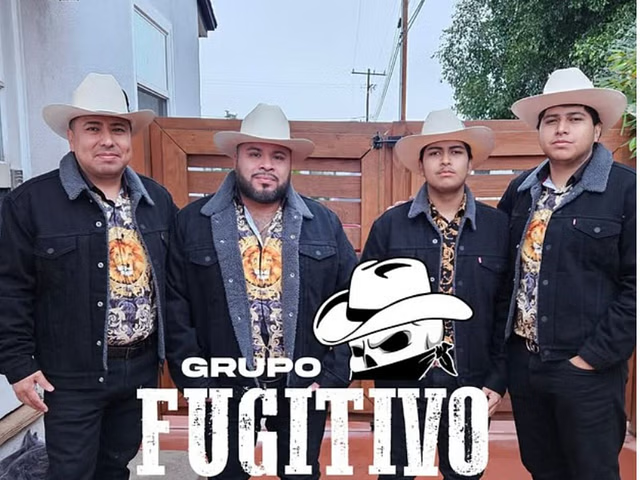
For decades, Tamaulipas has been engulfed in cartel warfare, with cities like Reynosa turning into key hotspots due to their strategic location for drug trafficking, human smuggling, and fuel theft. The Gulf Cartel, once a dominant force in the region, has fractured into rival factions, each vying for control and often resorting to extreme violence to assert dominance. In this environment, innocent people frequently become collateral damage, and local institutions struggle to maintain law and order.
The murder of Grupo Fugitivo is a tragic echo of similar incidents in the past. In 2018, two members of another musical group—Los Norteños de Río Bravo—were abducted and later found dead along the federal highway connecting Reynosa and Río Bravo. These acts of violence are not isolated but rather part of a disturbing pattern that underscores the peril faced by performers and public figures in cartel-contested zones.
The military presence in Reynosa, including the recent deployment of Mexican Army personnel to the site where the bodies were found, is a stark reminder of how deeply entrenched organized crime has become in the daily lives of residents. Despite continued government pledges to restore peace and security, cases like this cast doubt on the effectiveness of these efforts and leave communities feeling abandoned and vulnerable.
A Broader Crisis Beyond the Music Scene
The implications of this tragedy stretch far beyond the regional music scene. It exemplifies the broader human toll of Mexico’s protracted struggle with cartel violence and the profound insecurity that affects countless families. Whether victims are journalists, migrants, students, or musicians, the pattern remains chillingly consistent: disappearances, a lack of immediate answers, and a painful wait that often ends in devastating news.

Grupo Fugitivo’s story also raises questions about cultural expression in regions overshadowed by organized crime. Can musicians truly perform freely in such a setting? Or are they increasingly forced to self-censor, avoid certain songs, and watch their associations carefully in order to survive? These questions speak to a grim reality in which artistic freedom, public safety, and personal dignity are all compromised by the presence of armed groups.
In recent years, the United States has also entered this conversation, particularly under the Trump administration, which accused certain Mexican performers of glorifying criminal lifestyles. Some artists had their U.S. visas revoked or were barred from performing. However, critics argue that such measures oversimplify a complex issue and overlook the lived realities of artists working in dangerous areas, many of whom may have no choice in the content they perform or the venues they accept.
The silence that followed the last communication from Grupo Fugitivo—the call to their families saying they were en route to a performance—now serves as a haunting final note to their story. It is a reminder of how swiftly joy can turn into mourning in a country grappling with deep-rooted violence.
As the investigation into their deaths continues and the nine arrested suspects face legal proceedings, the people of Reynosa and beyond are left grappling with profound grief. Their prayers, protests, and demands for justice reflect not only a community’s love for its musicians but also its desperate plea for safety, accountability, and peace.
In the end, the legacy of Grupo Fugitivo will be more than just their songs. It will be a symbol of a fragile society where music and violence tragically intersect, and a rallying cry for those who refuse to accept this as the status quo.