
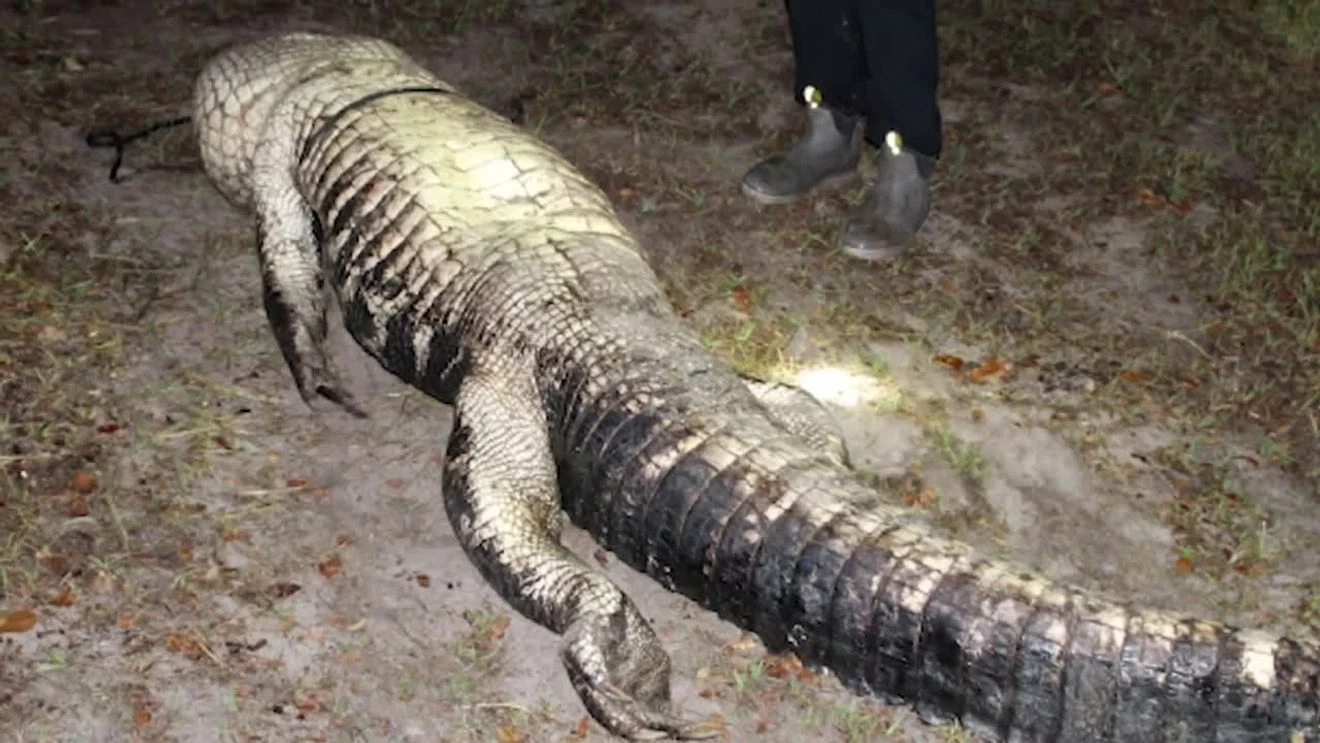
The fatal alligator attack that claimed the life of 61-year-old Cynthia Diekema near Florida’s Lake Kissimmee has been detailed in full for the first time following the release of an investigative report by state wildlife officials. The incident, which occurred during what was meant to be a routine canoe outing, underscores the unpredictable dangers present in waterways inhabited by large wild animals.
While fatal encounters with alligators remain statistically rare, the circumstances surrounding Diekema’s death highlight how quickly a seemingly calm environment can turn deadly when humans and wildlife intersect. Authorities say the alligator involved, measuring more than 11 feet in length, was later tracked down and euthanized shortly after the attack.
Details of the Fatal Canoeing Incident in Tiger Creek
On May 6, Cynthia Diekema and her husband were canoeing along Tiger Creek, a waterway connected to Lake Kissimmee in central Florida. According to the Florida Fish and Wildlife Conservation Commission, the couple had already noticed several alligators during their trip, an observation that did not initially alarm them given the species’ common presence in the region. As they continued paddling, Diekema reportedly warned her husband that it appeared their canoe was about to pass directly over one of the reptiles.
Moments later, the canoe slid over the back of an 11-foot, 4-inch alligator that had been submerged just below the surface. Wildlife officials believe the contact startled the animal, triggering an instinctive defensive reaction. The alligator thrashed violently, tipping the canoe and throwing both occupants into the water. Experts later explained that large alligators can react with explosive force when surprised, especially when something touches them unexpectedly from above.
Once in the water, the situation escalated rapidly. The alligator latched onto Diekema’s midsection as her husband attempted to pull her free. Despite his efforts, he was unable to break the animal’s grip. Witness accounts and investigative findings indicate the alligator then performed a death roll, a powerful spinning maneuver used to subdue prey, before dragging Diekema underwater. The attack unfolded in seconds, leaving no opportunity for intervention.
Read : Top Ten Biggest National Parks Around the World
Her husband managed to escape and flag down a passing airboat, which allowed emergency services to be contacted. Wildlife officers and professional trappers were dispatched to the scene almost immediately. Although Diekema’s remains were eventually recovered, her right arm was never found, according to local reports. The rapid response that followed was focused on locating the specific alligator involved, both to prevent further danger and to confirm the cause of the attack.
Tracking and Euthanizing the 11-Foot Alligator
Following the incident, the Florida Fish and Wildlife Conservation Commission initiated an intensive search for the alligator believed to be responsible. Trappers working with wildlife officers located a large alligator matching witness descriptions in the same area of Tiger Creek where the attack occurred. Officials later confirmed that the animal measured more than 11 feet in length, placing it well above the size threshold typically associated with heightened risk to humans.
Read : 14-Year-Old Muhammad Rafli Hamzah Mauled to Death by Crocodile While Washing Clothes in River
The alligator was humanely euthanized shortly after being captured. Officials stated that its removal was necessary to ensure public safety and to conclude the investigation. The released report indicates that the animal was likely dispatched soon after the fatal bite, reducing the chance of misidentification. Although authorities did not disclose specific forensic details, they were confident the correct animal had been removed based on size, location, and timing.
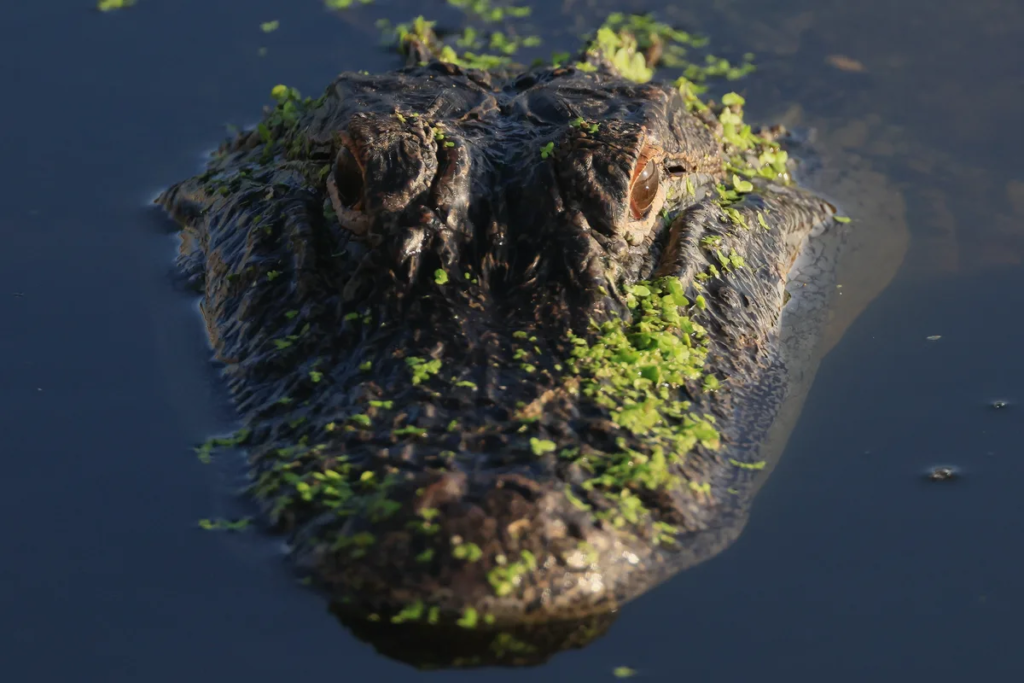
Alligator experts consulted in the investigation emphasized that the animal’s behavior appeared to be defensive rather than predatory. According to specialists, the canoe passing directly over the alligator’s back likely caused confusion and stress, provoking a rapid response. Large alligators rely heavily on vibrations and sudden movement cues, and unexpected contact can trigger an aggressive reaction without warning.
Florida issues tags that allow licensed hunters to remove alligators measuring four feet or longer during regulated seasons. However, animals of this size often remain undisturbed in natural waterways unless they show signs of aggression or become involved in human incidents. The euthanization of the alligator involved in Diekema’s death followed established state protocols for fatal wildlife encounters.
Alligator Attacks in Florida and Safety Guidance for Waterways
While the incident drew widespread attention due to its tragic outcome, wildlife officials stress that serious unprovoked alligator attacks remain uncommon. Data compiled between 1984 and 2022 shows 339 major alligator bites in Florida, resulting in 27 fatalities over nearly four decades. Considering the state’s large human population and extensive alligator habitat, experts describe the risk as low but persistent.
Read : Savage! Pickup Truck Drives Over Giant Crocodile At Cahill’s Crossing In Australia
Most attacks occur when humans inadvertently enter an alligator’s space or when the animal is startled. Water-based activities such as swimming, kayaking, and canoeing can increase risk, particularly in areas with dense vegetation or poor visibility. Alligators are most active at dawn, dusk, and nighttime, which is why authorities recommend swimming only in designated areas during daylight hours.
The Florida Fish and Wildlife Conservation Commission advises residents and visitors to maintain a safe distance from alligators, never approach or feed them, and keep pets on a leash near water. Canoeists and kayakers are encouraged to scan ahead for floating shapes, avoid narrow channels with limited visibility, and steer clear of wildlife whenever possible. Even experienced outdoors enthusiasts are reminded that alligators can remain nearly invisible beneath the surface.
The death of Cynthia Diekema serves as a sobering reminder of the power and unpredictability of wild animals. Officials emphasize that coexistence with wildlife requires constant awareness, particularly in regions where human recreation overlaps with natural habitats. Although the alligator involved has been removed, state authorities continue to urge caution, education, and respect for Florida’s waterways to reduce the likelihood of similar tragedies in the future.
**mitolyn**
Mitolyn is a carefully developed, plant-based formula created to help support metabolic efficiency and encourage healthy, lasting weight management.