
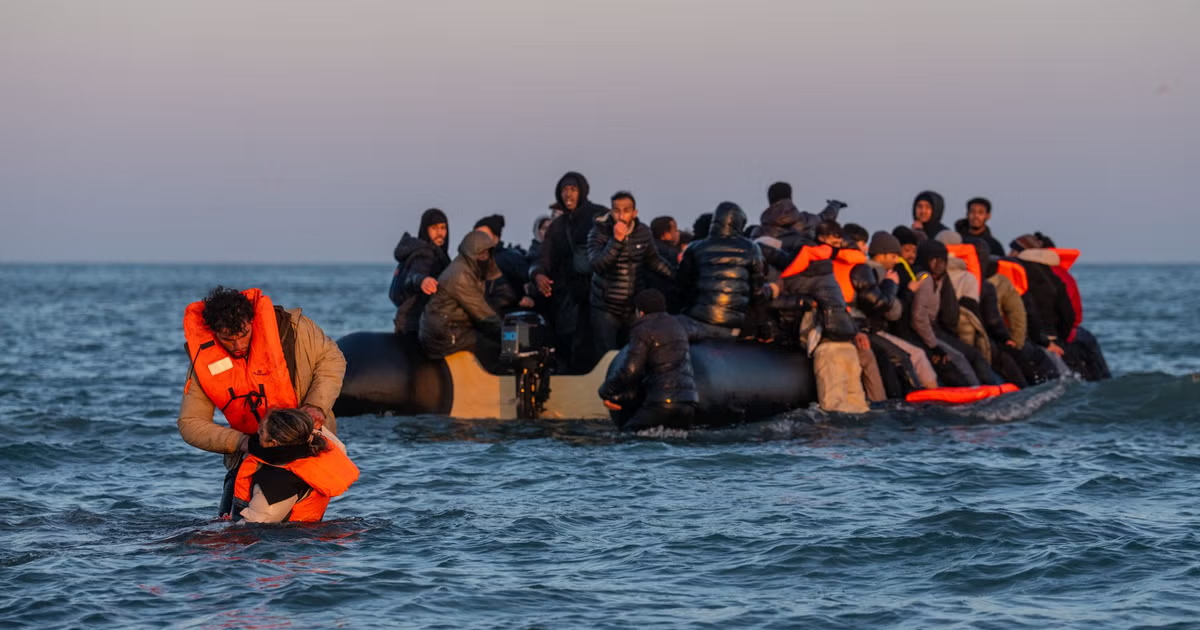
The deaths of four migrants in the English Channel have once again drawn attention to the dangers of irregular crossings and the evolving tactics used by people smugglers. Authorities have confirmed that a 27-year-old Sudanese national, Alnour Mohamed Ali, has been charged in connection with the incident, which occurred as a group attempted to board a small boat off the northern coast of France.
The tragedy unfolded rapidly, highlighting both the risks faced by those attempting the journey and the growing complexity of enforcement efforts aimed at preventing such crossings. As investigations continue, the case has intensified scrutiny of border policies, enforcement strategies, and the humanitarian challenges surrounding migration across one of the world’s busiest and most hazardous waterways.
Fatal Crossing Attempt and Immediate Aftermath
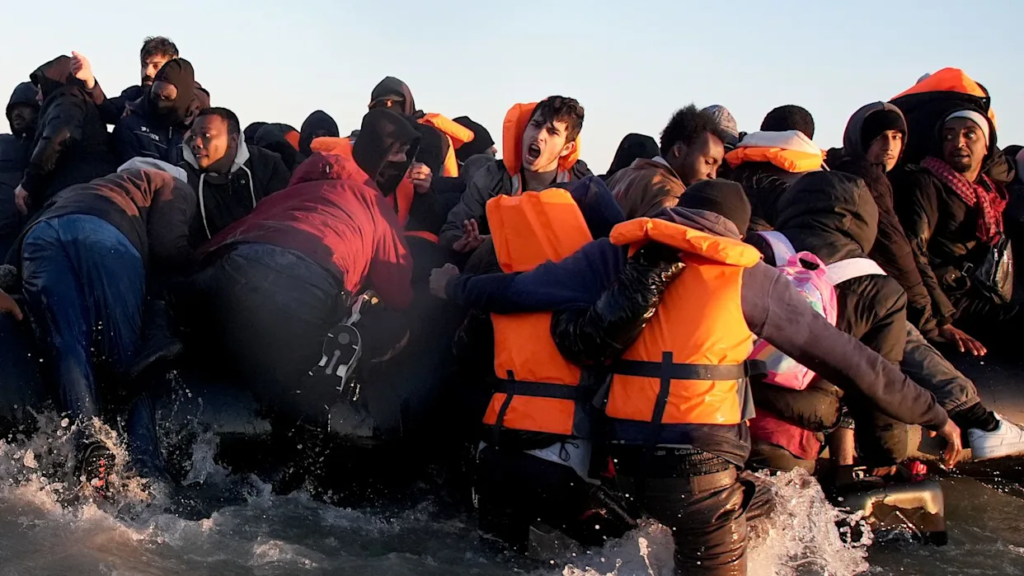
The incident took place near Equihen-Plage, close to Boulogne-sur-Mer, where migrants gathered in the early hours to board what authorities describe as a “taxi boat.” This method, increasingly used to evade detection, involves a small vessel navigating along the coastline with a single operator before stopping at pre-arranged points where migrants enter the water and attempt to climb aboard. During this particular attempt, conditions proved deadly. Two men and two women lost their lives while trying to reach the boat, reportedly swept away by strong currents before they could secure themselves on board.
Emergency services responded quickly, but the circumstances made rescue efforts difficult. French officials indicated that the victims had already ventured significantly into the water when they encountered trouble. The currents in that stretch of coastline are known to be unpredictable and dangerous, particularly for individuals already weakened by cold temperatures and exhaustion. Despite the response, the situation escalated rapidly, leaving little opportunity to prevent the fatalities.
In the aftermath, 38 individuals were returned to shore in France, while 74 others managed to continue the journey and eventually reached the United Kingdom. Several migrants required medical attention, including two children who were taken to hospital as a precaution and another individual treated for hypothermia. These details underscore the perilous conditions faced by those attempting such crossings, where even survival often comes with significant physical and psychological tolls.
Read : Livie Rose Henderson Loses DoorDash Job Over Viral Video of Alleged Delivery Assault
Authorities from both countries have been coordinating closely, with investigative agencies working to reconstruct the events and determine the precise circumstances leading to the deaths. The timing of the incident has also drawn attention, as it occurred shortly after emergency services had conducted a training exercise at the same location, specifically aimed at preparing for scenarios involving migrants in distress at sea.
Charges Against Alnour Mohamed Ali and Legal Context
Alnour Mohamed Ali has been charged with endangering life in connection with the crossing. He is alleged to have piloted the small boat from France toward the United Kingdom, placing him at the center of the investigation. The charge is part of a relatively new legal framework introduced to address the risks associated with small boat crossings and to hold individuals accountable for actions that put lives in danger during such journeys.
Read : 7-Year-Old Abel Friday-Williams Dies After Drowning at Bruce Meisner Park
The offence of endangering life during a maritime journey to the United Kingdom was introduced earlier this year as part of updated border security legislation. It is designed to target not only organized smuggling networks but also individuals directly involved in facilitating crossings under unsafe conditions. The law applies broadly, including cases where there is evidence of negligence, overcrowding, intimidation, or resistance to rescue efforts.
This case follows a similar prosecution earlier in the year, when an Afghan national became the first person charged under the same legislation. Authorities have indicated that such legal measures are intended to deter dangerous crossings by increasing the risks for those who take on operational roles in these journeys. However, the application of these laws has also sparked debate about accountability, particularly in situations where individuals accused of piloting boats may themselves be migrants or acting under pressure from smuggling networks.
Alnour Mohamed Ali is scheduled to appear in court, where the details of the case will be examined further. Prosecutors are expected to present evidence regarding his alleged role in navigating the vessel and the conditions under which the crossing was attempted. The outcome of the case could have broader implications for how similar incidents are handled in the future, particularly as authorities seek to establish clearer lines of responsibility in complex and often chaotic situations.
The legal proceedings will also likely consider the broader context in which such crossings occur, including the role of organized smuggling operations and the vulnerabilities of those attempting to reach the United Kingdom. While the charges focus on individual responsibility, they are part of a wider effort to disrupt networks that facilitate irregular migration across the Channel.
Growing Concerns Over Channel Crossings and Policy Debate
The English Channel has become a focal point of migration challenges in recent years, with thousands of individuals attempting the crossing annually despite the well-documented risks. According to official data, more than 5,000 migrants have already arrived in the United Kingdom via small boats this year, reflecting a continued reliance on this route despite enforcement efforts and public awareness campaigns.
Read : 20-Year-Old Anne Mae Demegillo Arrested After Newborn Drowned in Toilet Shortly After Birth
The emergence of tactics such as “taxi boats” illustrates how smuggling networks adapt in response to increased surveillance and policing. By minimizing the time boats spend near shore and reducing the number of individuals involved in launching operations, these methods aim to lower the chances of interception. However, they also shift greater risk onto migrants, who must enter the water and board vessels under often hazardous conditions.
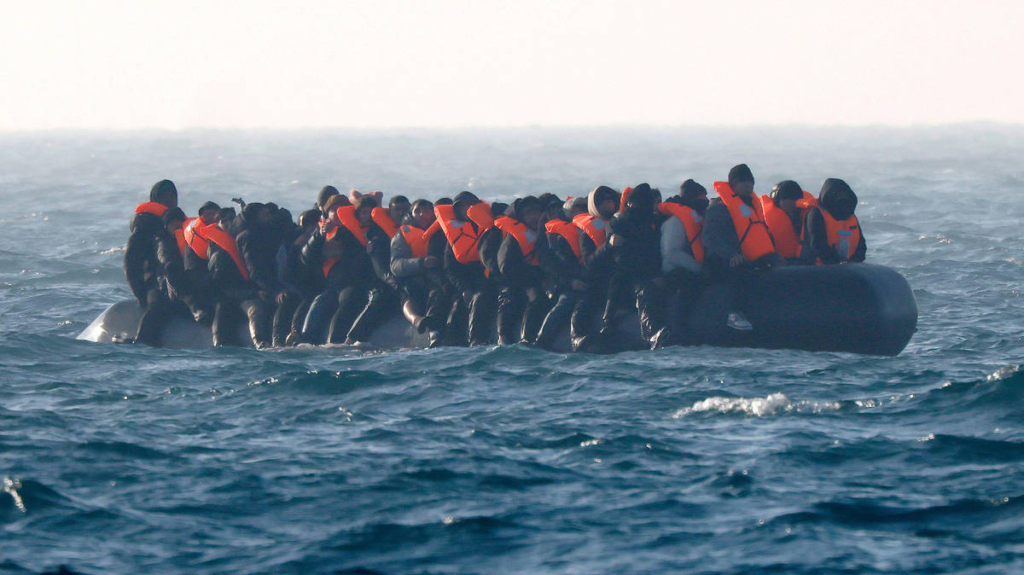
Humanitarian organizations have responded to the latest incident by reiterating calls for the establishment of safe and legal routes for asylum seekers. They argue that the absence of such pathways forces individuals to rely on dangerous alternatives, increasing the likelihood of tragedies like the one that occurred off the French coast. From this perspective, enforcement alone is unlikely to resolve the issue without addressing the underlying demand for migration and the lack of accessible legal options.
At the same time, political debate in the United Kingdom has intensified. Critics have accused the government of not doing enough to prevent crossings, while others argue that stricter measures risk pushing migrants toward even more dangerous methods. The balance between deterrence, enforcement, and humanitarian considerations remains a central point of contention, with no clear consensus on the most effective approach.
French authorities have also emphasized the challenges of policing extensive coastlines, where smugglers can exploit numerous access points. Cooperation between the United Kingdom and France has increased in recent years, with joint operations and shared intelligence aimed at disrupting smuggling networks. However, incidents like this highlight the limitations of current strategies and the persistent ability of organized groups to adapt.
The deaths of the four migrants serve as a stark reminder of the human cost associated with irregular migration across the Channel. Each incident not only raises questions about enforcement and policy but also brings attention to the individuals involved, many of whom undertake these journeys out of desperation or lack of alternatives. As investigations continue and legal proceedings move forward, the broader challenges surrounding migration, safety, and accountability remain unresolved, shaping an ongoing and complex issue with significant humanitarian and political implications.