
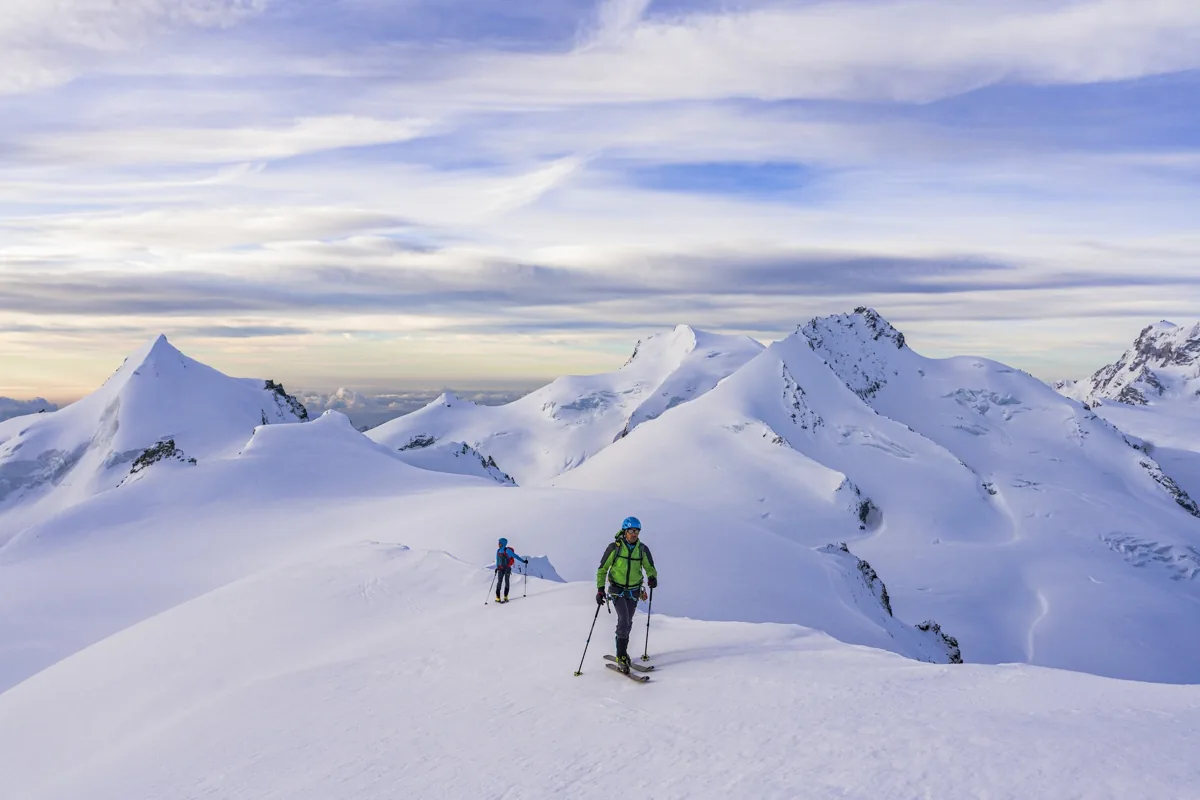
The term “alpine divorce” has recently gained traction across social media, capturing a pattern of behavior that many women say they have quietly experienced for years. At its core, the phrase describes a situation where one partner—most often a man—abandons the other during an outdoor activity such as hiking, climbing, or trekking, sometimes due to impatience, conflict, or mismatched expectations. What might initially appear as a minor disagreement or difference in pace can quickly escalate into a moment of emotional rupture, leaving one person physically alone in a potentially unsafe environment.
The viral nature of these stories has transformed what might once have been dismissed as an isolated incident into a recognizable dating red flag, sparking broader discussions about communication, responsibility, and relational dynamics in high-stakes settings. The appeal of hiking and outdoor adventures as romantic activities is rooted in their promise of shared challenge and connection. However, these same conditions can also expose underlying tensions.
Unlike casual dates in controlled environments, the wilderness removes many safety nets, making cooperation and mutual care essential. When one partner chooses to prioritize personal goals over shared experience, the consequences can be both emotionally and physically significant. The growing conversation around alpine divorce reflects not just a trend, but a deeper examination of how people behave when tested outside their comfort zones.
The Anatomy of an Alpine Divorce
Alpine divorce typically unfolds in subtle stages rather than as a single dramatic act. It often begins with a mismatch in pace, stamina, or enthusiasm. One partner may move ahead, assuming the other will catch up, or may grow visibly frustrated with what they perceive as a slower pace. In some cases, verbal cues such as “you go ahead” are taken literally, without consideration of the emotional context in which they are said. What follows is a physical separation that can quickly become symbolic of a deeper relational disconnect.
In many of the stories shared online, the abandonment is not always framed as intentional cruelty. Instead, it emerges from a lack of awareness or empathy. One partner may be focused on reaching a summit, completing a trail, or achieving a personal milestone, while the other is more concerned with the shared experience. This divergence in priorities becomes especially pronounced in environments that demand cooperation. When communication breaks down, the result can be one person feeling dismissed, undervalued, or even endangered.
The emotional impact of such experiences often lingers long after the hike is over. Being left behind in an unfamiliar or physically demanding setting can trigger feelings of vulnerability and self-doubt. Some individuals report questioning their own abilities or worth, interpreting the incident as a personal failure rather than a reflection of their partner’s behavior. This internalization can make the experience particularly damaging, as it shifts the focus away from the lack of support they received.
Read : California’s Largest Freshwater Lake Turns Green Due to Intense Algae Blooms
At the same time, alpine divorce is not limited to romantic relationships. Similar dynamics can occur between friends or acquaintances, though the emotional stakes may differ. What distinguishes romantic contexts is the expectation of care and mutual responsibility. When that expectation is violated, it often leads to a reassessment of the relationship itself. For many, the hike becomes a turning point, revealing incompatibilities that might not have been apparent in everyday situations.
Masculinity, Ego, and the Culture of Endurance
A significant factor contributing to alpine divorce is the cultural framework surrounding outdoor activities, particularly the emphasis on endurance, independence, and toughness. These traits are often associated with traditional notions of masculinity, where pushing limits and overcoming obstacles are seen as markers of strength. While these qualities can be valuable in certain contexts, they can also create pressure to prioritize achievement over connection.
Read : Man Arrested After Climbing into Viral Hippo Moo Deng’s Enclosure at Khao Kheow Open Zoo
In this framework, slowing down or adjusting to another person’s needs may be perceived as weakness. As a result, some individuals may feel compelled to maintain a fast pace or continue despite signs of discomfort in their partner. This behavior is not always driven by malice, but rather by deeply ingrained ideas about what it means to succeed in the outdoors. The desire to embody a rugged, self-reliant persona can overshadow the importance of collaboration and care.

The culture of outdoor adventure further reinforces these tendencies by celebrating stories of individual triumph. Narratives of conquering peaks, enduring harsh conditions, or completing challenging routes often focus on personal achievement rather than shared experience. This can create a disconnect between the romantic ideal of a joint adventure and the reality of competing goals within a partnership.
However, it is important to recognize that these dynamics are not universal. Many outdoor enthusiasts emphasize the importance of teamwork, safety, and mutual support. The principle of moving at the pace of the slowest member is widely accepted in responsible hiking and guiding practices. When this principle is ignored, it often reflects a failure to prioritize the well-being of others rather than an inherent aspect of outdoor culture.
The role of ego in alpine divorce cannot be overlooked. In some cases, the decision to move ahead or leave a partner behind is influenced by a desire to assert competence or control. This can be particularly problematic in relationships where power dynamics are already uneven. The physical environment amplifies these dynamics, turning what might be a minor imbalance into a significant breach of trust.
Communication Failures and Relationship Consequences
At its heart, alpine divorce is a communication problem. Many of these situations could be avoided through clear discussions about expectations, abilities, and goals before setting out on a hike. When partners fail to align on these factors, misunderstandings are almost inevitable. One person may view the activity as a leisurely outing, while the other approaches it as a serious challenge. Without explicit communication, these differing perspectives remain unaddressed until conflict arises.
Read : Truth Behind Viral Video of Officer Punching Handcuffed Suspect in Daytona Beach
During the hike itself, ongoing communication is equally important. Checking in with each other, adjusting plans as needed, and responding to signs of discomfort can prevent small issues from escalating. The absence of such communication often leads to assumptions, such as believing that a partner is capable of managing on their own or that they prefer to continue independently. These assumptions can have serious consequences in environments where conditions can change rapidly.
The aftermath of an alpine divorce often extends beyond the immediate experience. For many individuals, the incident becomes a defining moment in the relationship, prompting reflection on broader patterns of behavior. Being left behind on a hike can serve as a metaphor for emotional neglect, highlighting issues that may have been overlooked in less demanding situations. As a result, breakups frequently follow these events, not solely because of the hike itself, but because of what it reveals about the relationship.
Recovery from such experiences varies. Some individuals regain confidence by returning to outdoor activities on their own terms, rediscovering the sense of freedom and connection that initially drew them to hiking. Others may become more cautious, reassessing who they choose to share these experiences with. In many cases, the incident leads to a greater emphasis on independence and self-reliance, as individuals seek to ensure they are not placed in vulnerable situations again.
At the same time, the conversation around alpine divorce has also fostered a sense of solidarity. Many stories highlight the kindness of strangers who step in to help those who have been left behind. These moments of support contrast sharply with the abandonment that defines the phenomenon, underscoring the importance of community and shared responsibility in outdoor settings.
Ultimately, alpine divorce serves as a reminder that relationships are tested not just in moments of comfort, but in situations that require patience, empathy, and cooperation. The wilderness, with its unpredictability and demands, acts as a mirror, reflecting the strengths and weaknesses of those who venture into it together.