
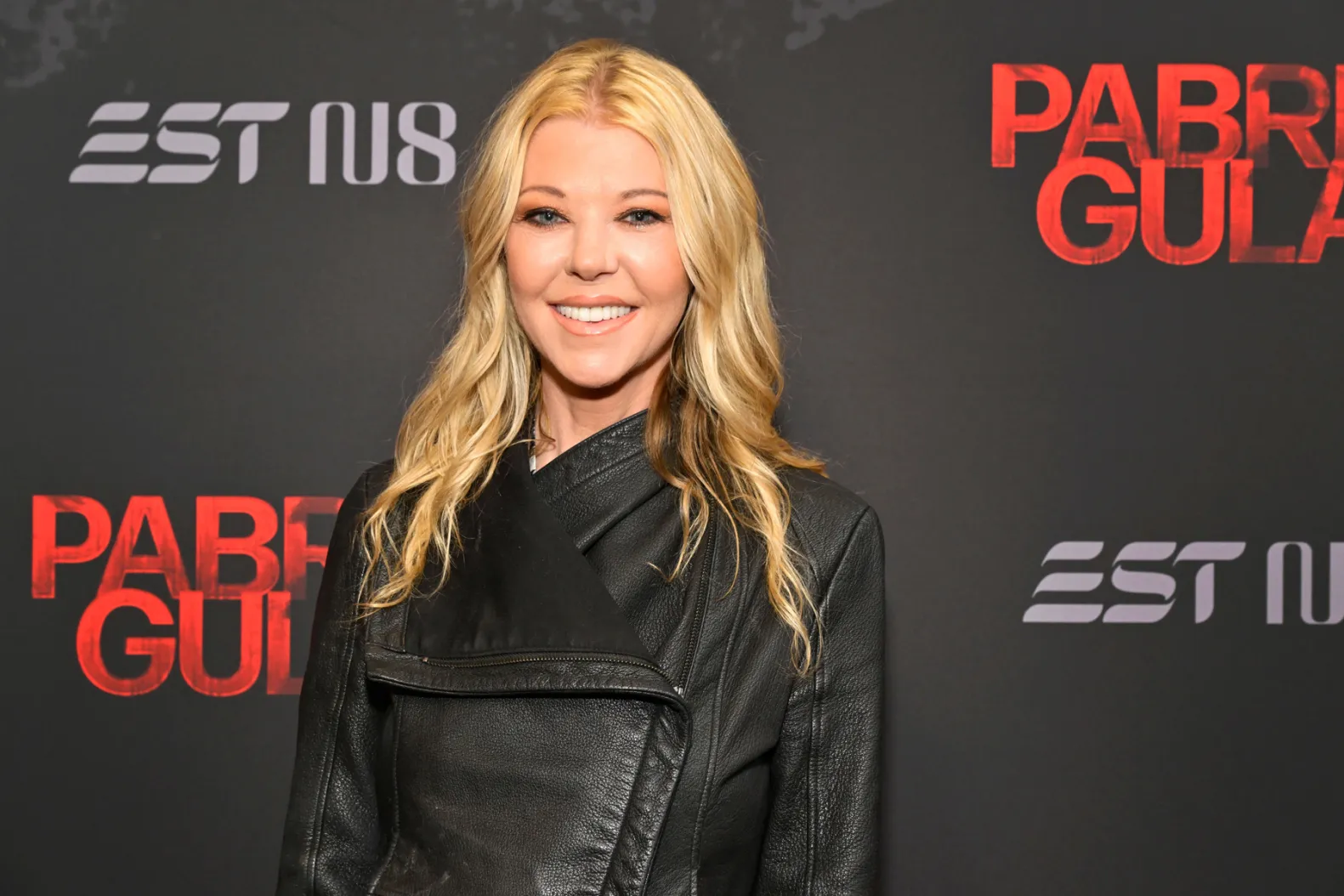
American actress Tara Reid’s recent hospitalization in Illinois has drawn widespread attention as she recovers from what she describes as one of the most frightening experiences of her life. The 50-year-old star, known internationally for her roles in American Pie and The Big Lebowski, alleged that she was drugged after ordering a single drink at a hotel bar in Rosemont, near Chicago.
Her account, accompanied by security footage and statements from her representatives, has sparked broader conversations about drink safety, hotel security, and the particular vulnerabilities faced by high-profile individuals in public spaces. Tara Reid, who said she had consumed only the one drink she ordered, has emphasized her transparency about sobriety and insisted the incident had no connection to past substance use. As she continues to recover, she has urged the public to be vigilant about their surroundings and the handling of their beverages.
Reid’s Account of the Incident and the Immediate Aftermath
According to Tara Reid, the events unfolded in the early hours of November 23, 2025, shortly after she arrived at her hotel and stopped by the bar. She ordered a drink before stepping outside to smoke a cigarette, a brief moment away that she believed posed no particular risk. What she returned to, however, immediately struck her as unusual. Reid later explained that her glass had been covered with a napkin when she returned, even though she had not placed it there herself.
The detail, though small, alarmed her because it signaled that someone else had been near or interacting with her drink during the moments she was outside. Tara Reid said the lobby area was crowded with YouTubers filming content, adding a layer of tension as she navigated the space. She described the situation as “weird,” noting the unexpected presence of multiple people recording videos as she went to retrieve her beverage. Despite her unease, she drank from the glass, only to experience a rapid and extreme decline in consciousness.
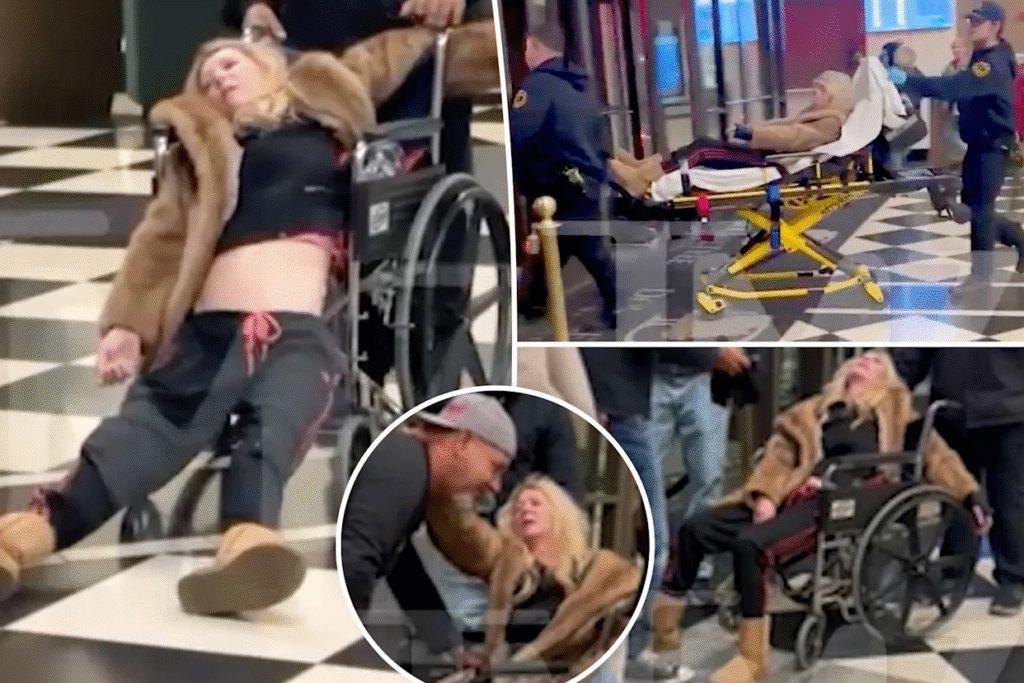
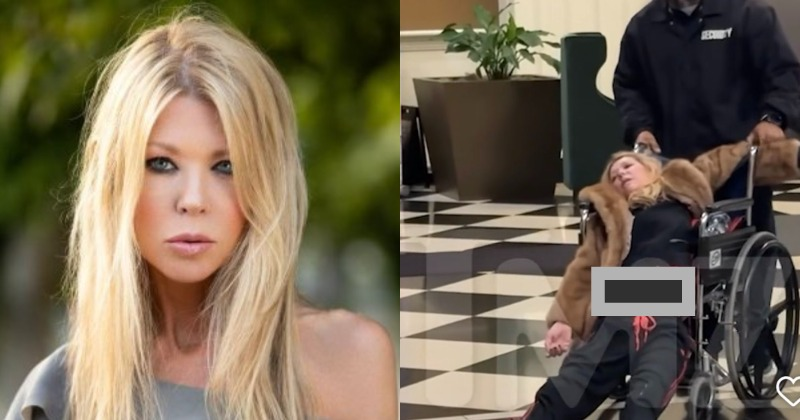
Tara Reid has stated that her memory of the evening ends abruptly at that point. Her next recollection came eight hours later, when she awoke in the hospital with no understanding of how she got there. Security footage later obtained by TMZ showed Reid appearing disoriented while being moved through the hotel in a wheelchair before being loaded into an ambulance.
The video offered a visual confirmation of her physical state following the alleged drugging and has fueled public concern about what exactly occurred during the hours she cannot recall. Medical personnel transported her from the hotel after staff called emergency services, and Rosemont Public Safety confirmed that a 911 call for a “sick person” came in at 12:39 a.m. on November 23.
Read : “I Was Alone for Five Years, Was Going to Adopt a Baby at 35”: Selena Gomez
In her own statements, Tara Reid emphasized that the speed and severity of her symptoms were unlike anything she had ever experienced. The sudden loss of consciousness, paired with the total memory blackout, led her to believe that her drink had been spiked with an unknown substance powerful enough to incapacitate her almost immediately. The experience, she said, has left her shaken but grateful that she was in a public place where staff and security personnel could intervene.
Public Reaction and the Ongoing Investigation
The incident has raised numerous questions about safety standards in hospitality settings, particularly regarding unattended drinks and the responsibility of establishments to minimize risks to patrons. Tara Reid’s representative confirmed that she has filed a police report and is cooperating fully with authorities, though Rosemont police initially said they had no documentation of a report at the time early details emerged. Her spokesperson later clarified that one had indeed been filed, suggesting a lag in administrative processing or communication.
Public response has been swift, especially as Tara Reid has been open about her sobriety journey in recent years. She explicitly stated that the event had no relation to past substance use, taking care to address potential speculation and reaffirm that she had only consumed the single drink she ordered. For many observers, the incident highlights the dangers posed by drink tampering, a crime that disproportionately affects women worldwide. Even celebrities, despite their public visibility and security precautions, remain vulnerable in crowded or minimally supervised environments.
Tara Reid has warned that the outcome could have been significantly worse if the circumstances had been different. She noted that being in a hotel with security likely prevented more serious harm, including the potential for assault. Her comments have resonated with many who have shared similar fears or experiences, prompting discussions about the importance of watching one’s drink, never leaving it unattended, and alerting staff immediately if something seems off.
The investigation is ongoing, and details about potential suspects or motives have not yet been released. Given the presence of individuals filming in the lobby and the attention Tara Reid often attracts, there are questions about whether she may have been targeted specifically because of her public profile. Alternatively, the situation may involve someone acting opportunistically when they noticed her drink left unattended. Police will likely review security footage, interview witnesses, and analyze medical findings to determine what substance, if any, was used.
Meanwhile, Reid’s spokesperson has asked for privacy as the actress continues to recover. While she appears physically stable, the emotional impact of losing nearly eight hours of memory and awakening disoriented in a hospital is significant. Such trauma often has lingering effects, and Reid has made it clear that the ordeal was deeply unsettling and could have had far more serious consequences.
Drink Spiking, Personal Safety, and Broader Implications
The circumstances surrounding Reid’s hospitalization underscore a persistent global issue: the risk of drink spiking in bars, clubs, and hotels. Experts have long warned that leaving drinks unattended, even briefly, can create opportunities for malicious activity. Substances commonly used in such incidents can act rapidly and with potent anesthetic or sedative effects, often rendering the victim unable to move, speak, or recall events. While many establishments have increased surveillance and tightened protocols in recent years, the problem persists in various forms and settings.
Tara Reid’s story has drawn renewed attention to a threat that affects people regardless of age, profession, or visibility. The fact that she was surrounded by others at the time offers both reassurance and concern: reassurance because there were people who could intervene once she collapsed, and concern because even in a populated area with multiple witnesses, her drink was still vulnerable to tampering.
Read : 9-1-1: Nashville Actress Isabelle Tate Dies at 23 from Rare Form of Charcot-Marie-Tooth Disease
The presence of digital content creators in the hotel lobby during the incident adds another dimension. Individuals filming in public spaces can sometimes create confusion or distraction, and Tara Reid’s discomfort around the YouTubers in the lobby suggests she felt watched in ways that did not align with her expectations for privacy, even in a public area. For celebrities, navigating such environments can be challenging, as their presence often draws attention and can make it more difficult to recognize when interactions cross into unsafe territory.
Her comments about how the situation might have escalated also reflect real dangers faced by victims of drink spiking. Many reported cases involve subsequent assault, robbery, or kidnapping attempts. Reid’s acknowledgment that things “could have gone really, really, really wrong” is a reminder that intervention by hotel staff and security can make a crucial difference. But it also suggests that individuals cannot always rely on external factors and must maintain personal vigilance, even in seemingly controlled environments.
The broader public response reveals ongoing concern about safety practices and the need for continued awareness campaigns. Drink spiking is notoriously difficult to prosecute due to the speed at which substances leave the bloodstream and the gaps in memory victims often experience. Encouraging individuals to report incidents promptly, seek medical attention, and preserve any available evidence is essential for building stronger cases and deterring future offenders.
For the hospitality industry, Reid’s experience may prompt renewed evaluations of protocol. Staff training to recognize signs of tampering, improved monitoring of unattended drinks, and clearer communication to patrons about risks may all be areas of renewed focus. Hotels and bars often balance guest comfort with security measures, but incidents like this highlight the need for proactive vigilance.
As Reid rests and works with authorities, her account serves as a powerful reminder of how quickly a routine moment can escalate into a serious medical emergency. Her decision to speak openly about what happened may help others recognize warning signs, trust their instincts, and take precautions in similar situations. Her ordeal, while deeply personal, has broader implications for public safety and the ongoing efforts to address drink tampering across communities.
Reid’s spokesperson emphasized her desire for privacy during recovery, but the impact of her experience will likely extend beyond her immediate circle. Incidents involving high-profile individuals often catalyze conversation, inspire new safety measures, and remind the public that vigilance remains crucial. Tara Reid’s transparency about the fear and confusion she experienced may ultimately contribute to greater awareness and help reduce the risks for others who find themselves in similar environments.