
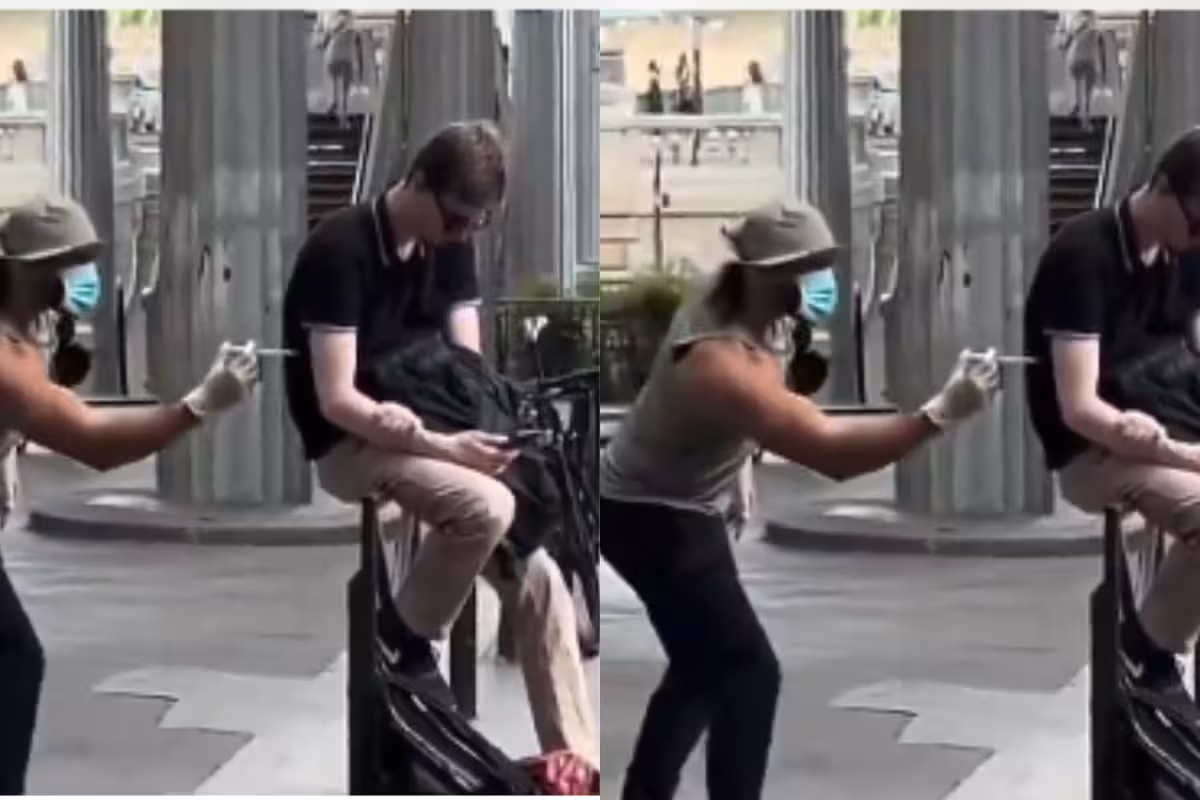
In a case that has ignited fierce debate over the boundaries of online content creation, French influencer Amine Mojito, whose real name is Ilan Magneron, has been sentenced to prison for a series of prank videos involving empty syringes. The 27-year-old Paris-based creator filmed himself approaching unsuspecting pedestrians and pretending to inject them with needles, sparking widespread terror and public backlash.
On October 3, 2025, the Paris Criminal Court handed down a 12-month prison term, with six months to be served behind bars and the remainder suspended. Amine Mojito was also fined €1,500 and banned from possessing or carrying firearms for three years. The ruling stems from charges of violence with a weapon not resulting in work incapacity, harassment, and threats, compounded by his prior offenses. Prosecutors described the acts as reckless assaults disguised as entertainment, emphasizing the psychological harm inflicted on victims amid heightened national anxieties about needle attacks.
Amine Mojito’s videos surfaced on TikTok and Instagram in early June 2025, just days before the Fête de la Musique, France’s annual World Music Day celebration. The timing amplified their impact, as rumors of real needle-spiking incidents at festivals and student parties had already put the public on edge. In the clips, Mojito, often clad in casual streetwear, dashes toward strangers—elderly walkers, young professionals, and families—brandishing capped syringes and simulating injections into their arms or necks.
Victims’ reactions were immediate and visceral: screams echoed through Paris streets, some recoiled in horror, clutching their skin as if fearing contamination from diseases like HIV or hepatitis. One video captured a middle-aged woman collapsing to the ground in panic, while another showed a man chasing Mojito away, shouting profanities. Though the syringes contained no substances and were capped to prevent actual penetration, the deception was complete; bystanders had no way of knowing the threat was fabricated.
The pranks were not isolated stunts but part of Amine Mojito’s broader content strategy. With over 500,000 followers across platforms, he positioned himself as a fitness and lifestyle influencer, occasionally dipping into edgy humor to boost engagement. These syringe videos marked his return to social media after a hiatus promoting a fitness program. Mojito later admitted in court that the idea was cribbed from similar antics he observed online in Spain and Portugal, where such pranks had gained traction among creators chasing viral fame.
🇫🇷 Influencer Amine Mojito has been sentenced by a French court to 6 months in prison for his “prank videos” in which he attacks random people with an empty syringe. pic.twitter.com/OqFcL7culY
— THE YURI BEZMENOV EXPERIENCE (@YURI10000001) October 5, 2025
“I had the very bad idea of doing these pranks by imitating what I saw on the internet,” he stated during his September 5, 2025, hearing. He claimed the videos were meant to mimic absurd trends without intending harm, but deleted them swiftly after backlash erupted. Despite this, the footage spread rapidly, amassing millions of views and drawing condemnation from French authorities and netizens alike. One victim, represented by attorney Philippe P., testified to the enduring trauma, describing a week-long leave from work due to shock. Legal experts note that while no physical injuries occurred, the emotional toll—racing hearts, sleepless nights, and rushed medical checkups—qualified as actionable assault under French law.
Court Proceedings and Amine Mojito’s Defense
The legal saga unfolded over months, beginning with Amine Mojito’s arrest in June 2025 shortly after the videos went viral. He spent nearly two months in pre-trial detention at Fleury-Mérogis prison, isolated from other inmates due to the high-profile nature of the case. Released on bail in August, he returned to court on September 5 for initial hearings, where prosecutors laid out a pattern of behavior portraying him as a repeat offender. Beyond the syringe incidents, Amine Mojito faced accusations of prior assaults and harassment, including altercations with other creators and aggressive interactions with the public.
Read : TikToker Heston James Arrested for Disruptive Viral Pranks Targeting Businesses in Tempe
“This is not a one-off mistake but a habitual disregard for others in pursuit of online buzz,” the prosecution argued, requesting 15 months under electronic monitoring with five months suspended. During the October 3 sentencing, Amine Mojito appeared subdued and remorseful, a stark contrast to his on-camera bravado. Dressed in a simple jacket, he addressed the court in French, expressing shame over his actions. “I was in my own world, unaware of everything,” he said, as reported by Libération. He acknowledged the fear he would feel if targeted himself, admitting, “I didn’t think about others; I thought about myself. That was my mistake.”
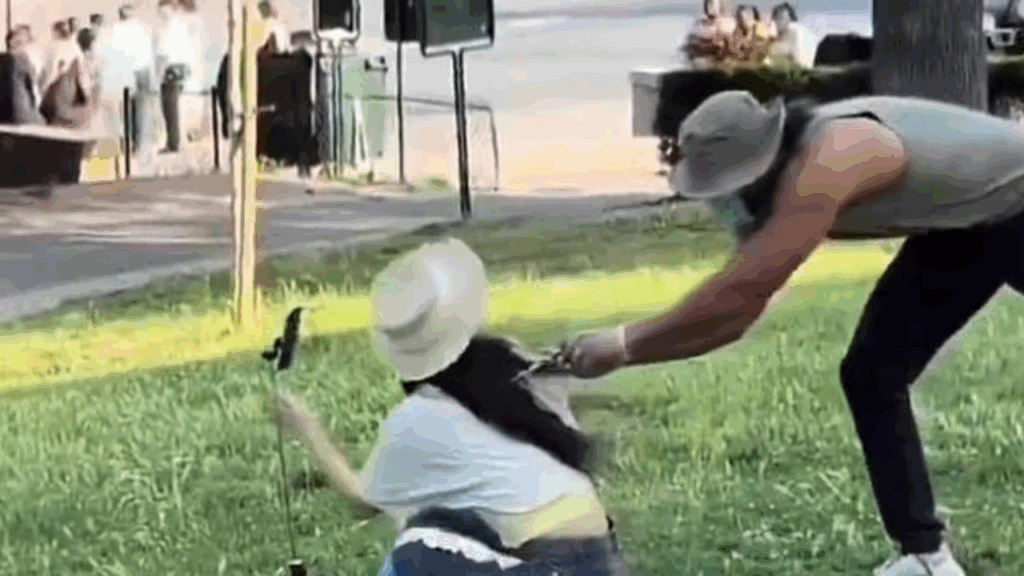
His defense counsel highlighted his youth, lack of prior convictions severe enough for incarceration, and the non-lethal nature of the pranks. They argued the capped syringes negated any real danger, framing the case as an overreach on free expression. However, the bench rejected this, citing the deliberate intent to terrorize and the broader context of public safety fears. Judge Marie-Laure Forestier emphasized that influencers bear heightened responsibility, stating, “Viral fame does not excuse violating personal security.” Only one formal complaint was filed, but the court’s decision rested on the collective evidence from witness statements and video analysis, underscoring the systemic risks posed by such content.
Amine Mojito’s pre-trial isolation took a personal toll; he described it as a wake-up call, vowing to pivot toward positive fitness content. Yet, skepticism lingered among observers, given his history of boundary-pushing videos. The €1,500 fine, equivalent to about $1,761, was earmarked for victim restitution, while the firearm ban addressed concerns over his impulsive tendencies. As he was led from the courtroom, Amine Mojito nodded to supporters, signaling an intent to appeal the non-suspended portion. Legal analysts predict the full sentence will stand, serving as a benchmark for future influencer prosecutions.
Public Outrage and Broader Implications
The syringe pranks detonated a firestorm online, with French social media erupting in disgust. Hashtags like #PiqueurFou (Crazy Stabber) trended nationwide, amassing over 2 million posts within days. Victims shared their ordeals on forums, detailing the paranoia of avoiding crowds and the financial burden of post-exposure testing for bloodborne pathogens. “It’s not funny—it’s assault,” one Paris resident posted on X, echoing sentiments from Reddit threads where users debated the prank’s cruelty.
Communities like r/TikTokCringe and r/PublicFreakout lit up with thousands of upvotes on reposted clips, many calling for harsher penalties. “Six months isn’t nearly enough,” commented a user on News18, reflecting a consensus that the sentence undervalued the psychological scars. International coverage amplified the outrage, with U.S. outlets like Complex labeling it a “wake-up call for clout-chasers.” France’s cultural landscape, still raw from post-pandemic health vigilance and festival spiking rumors, made the pranks particularly incendiary. The Fête de la Musique saw increased security patrols, partly due to Amine Mojito’s videos fueling unfounded fears.
Advocacy groups for public safety decried the normalization of fear-based content, urging platforms like TikTok to tighten moderation on prank videos. In response, TikTok updated its community guidelines in July 2025, explicitly banning content simulating violence or medical harm. Influencer accountability emerged as a flashpoint; peers distanced themselves, with one fitness creator stating, “This isn’t pranking—it’s predation.” The case has prompted parliamentary discussions on regulating viral challenges, with proposals for mandatory ethics training for creators exceeding 100,000 followers.
At its core, Amine Mojito’s downfall exposes the dark underbelly of the creator economy, where likes translate to livelihoods but at what cost? Victims’ attorneys hailed the verdict as justice served, yet called for civil suits to address lingering trauma. As Amine Mojito serves his time, the incident lingers as a cautionary tale: in the race for relevance, the line between joke and jeopardy is razor-thin. French authorities vow stricter enforcement, signaling that digital daring will no longer evade real-world reckoning. For now, Paris streets feel a fraction safer, but the echo of those screams reminds all of the human fragility behind every screen.