
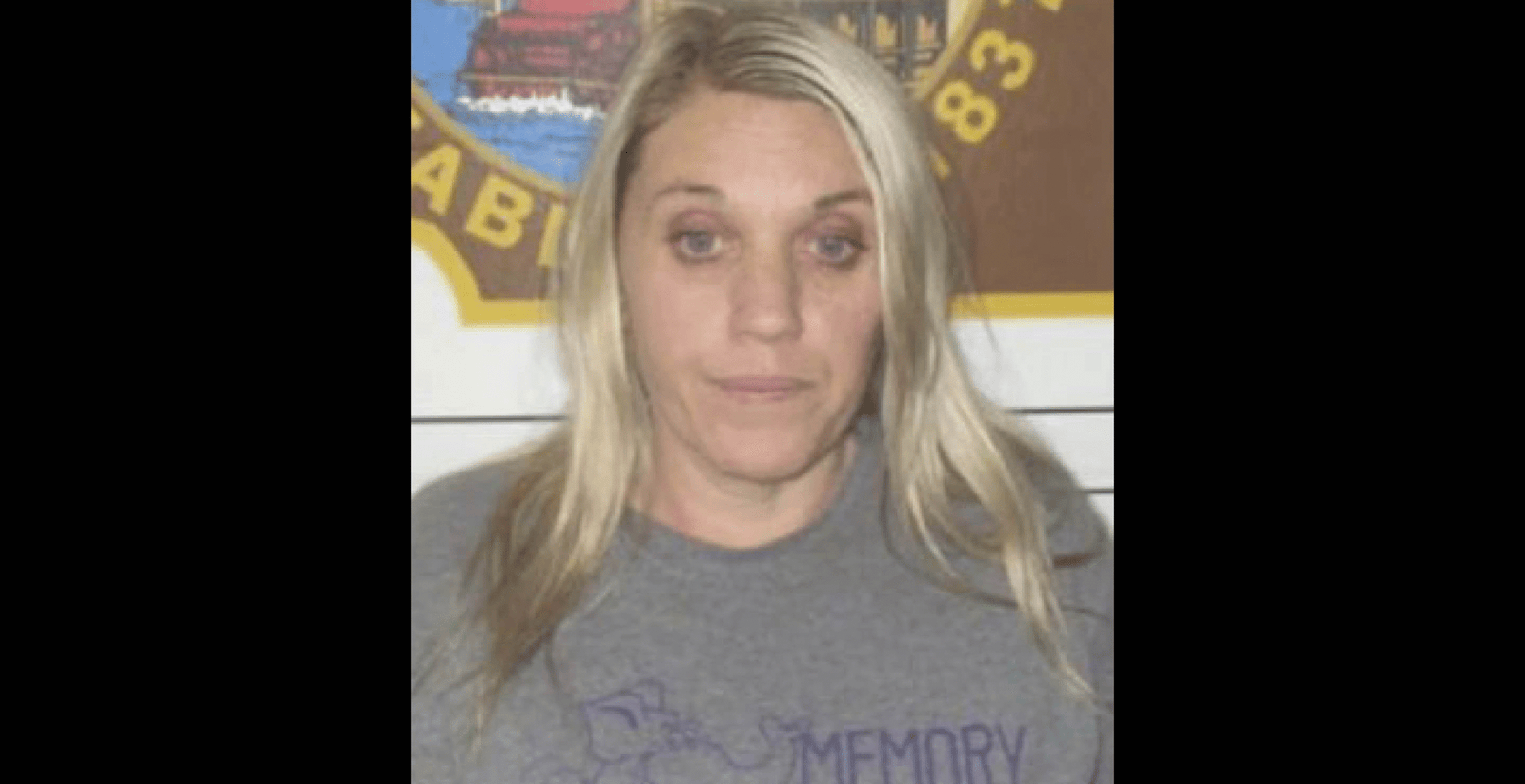
Amy Murray’s case sent shockwaves across the United States and ignited national media attention, not only because of the sheer brutality involved but also due to the twisted love story at its center. A trusted healthcare professional working within the Missouri prison system, Amy Murray carefully orchestrated the murder of her husband, Joshua Murray, to pursue a romantic relationship with a convicted murderer housed in the very correctional facility where she was employed.
What seemed like a normal household in the quiet town of Iberia turned into a chilling crime scene on December 11, 2018, when Joshua was found dead inside their fire-ravaged home. While it initially appeared to be a tragic case of a man perishing in an accidental fire, deeper investigations would soon uncover a sinister plot involving antifreeze, an illicit prison romance, and a calculated cover-up.
Authorities eventually pieced together that Amy had poisoned her husband with antifreeze, set the house ablaze to destroy evidence, and made plans to marry Eugene Claypool, an inmate serving time for murder. This unsettling case exposed the vulnerabilities within correctional institutions and revealed how personal desires, when left unchecked, can lead to horrific consequences.
A Chilling Crime in Small-Town Missouri
The small city of Iberia, Missouri, home to barely 700 residents, was rocked by the mysterious death of Joshua Murray in December 2018. A house fire was reported at the Murray residence, and Joshua was found dead in the bedroom. Initially, the blaze was believed to be the cause of his demise.
However, autopsy results quickly changed the trajectory of the investigation. Forensic tests revealed that Joshua had been poisoned before the fire ever began. Traces of antifreeze were discovered in his system, indicating he had ingested ethylene glycol—a toxic substance commonly found in automotive products.
Read : Florida Nurse Caught Having Sex with Minor Stepson by Her Husband
The State Fire Marshal’s Office and the Miller County Sheriff’s Department launched an intensive probe into the incident. They uncovered evidence that an accelerant had been used to start the fire, making it clear that the fire had been set deliberately.
Read : Experts Warn Against Viral Castor Oil Trend on TikTok
Amy Murray, who portrayed herself as a grieving widow in the immediate aftermath, soon found herself under a cloud of suspicion. Authorities noted inconsistencies in her statements and strange behavior that pointed toward foul play. Her involvement grew more evident as the timeline of events unraveled.
The Prison Romance That Fueled the Murder
As investigators dug deeper, they uncovered a shocking motive behind the murder: Amy Murray had been entangled in a romantic relationship with Eugene Claypool, a convicted murderer incarcerated at Jefferson City Correctional Center, where she worked as a nurse.
Claypool was serving a 25-year sentence for killing an elderly man during a robbery in 2000. It was within the confines of the prison where their unusual connection blossomed. Through illicit letters, prison phone calls, and clandestine visits, Amy Murray and Eugene nurtured a relationship that defied both logic and legality.
Recorded phone calls obtained during the investigation revealed the disturbing extent of their planning. In several conversations, Murray expressed her dissatisfaction with her marriage and spoke about a future with Claypool. She mentioned that they could get married once her husband was “out of the picture.”

In these candid discussions, Amy detailed her desire to start a new life with the inmate and made it clear that Joshua was standing in the way. The evidence was damning. The idea of eliminating her husband became more than just idle talk—it turned into a deadly plot. Amy’s digital footprint further implicated her.
Investigators found that she had searched for information related to poisoning and arson. Surveillance and phone logs also revealed that her communication with Claypool continued even after Joshua’s death, solidifying suspicions that the murder was premeditated. The notion that a licensed medical professional would abuse her access to chemicals and exploit her position to pursue a convicted killer stunned many and highlighted serious flaws in monitoring inmate-staff interactions.
A Shocking Confession and Justice Served
Amy Murray was arrested in February 2019, three months after Joshua’s death. Initially released on a $750,000 bond, she spent years attempting to challenge the charges. Her defense was complicated by the overwhelming amount of evidence pointing to her guilt. In 2024, six years after her arrest, Amy entered an Alford plea—a rare legal maneuver that allows a defendant to maintain innocence while accepting the consequences of a conviction due to strong evidence presented by the prosecution.
Under the terms of the plea agreement, Amy Murray was convicted of second-degree murder, arson, and tampering with evidence. She was sentenced to 12 years in prison, with her arson and tampering sentences to be served consecutively but concurrently with the murder sentence. While the Alford plea technically allows Amy to avoid admitting guilt, the facts of the case leave little room for doubt about her culpability.

Joshua Murray was more than just a victim of a grisly crime—he was a father and a working professional. At the time of his death, he was employed as a supervisor with Perini Construction and had recently returned home with his son Braden and their two dogs before stepping out again, only to have his life end in betrayal and fire. His senseless death left behind a grieving family, including his young son, who will grow up haunted by the knowledge that his mother orchestrated his father’s murder.
The story of Amy Murray is not just about a crime of passion. It reflects a terrifying collapse of ethical boundaries, where personal obsession overrode professional responsibility and moral duty. The manipulation of trust, access to vulnerable inmates, and abuse of medical knowledge combined to create a perfect storm of tragedy. The case also highlights the need for stricter oversight in correctional facilities to prevent inappropriate relationships and ensure that staff members are held to the highest ethical standards.
This haunting case remains a grim reminder of how destructive love can be when intertwined with deceit and criminal intent. The fire that consumed the Murray home symbolized more than a cover-up—it marked the incineration of family, trust, and humanity at the hands of someone who had vowed to protect life, not destroy it.