
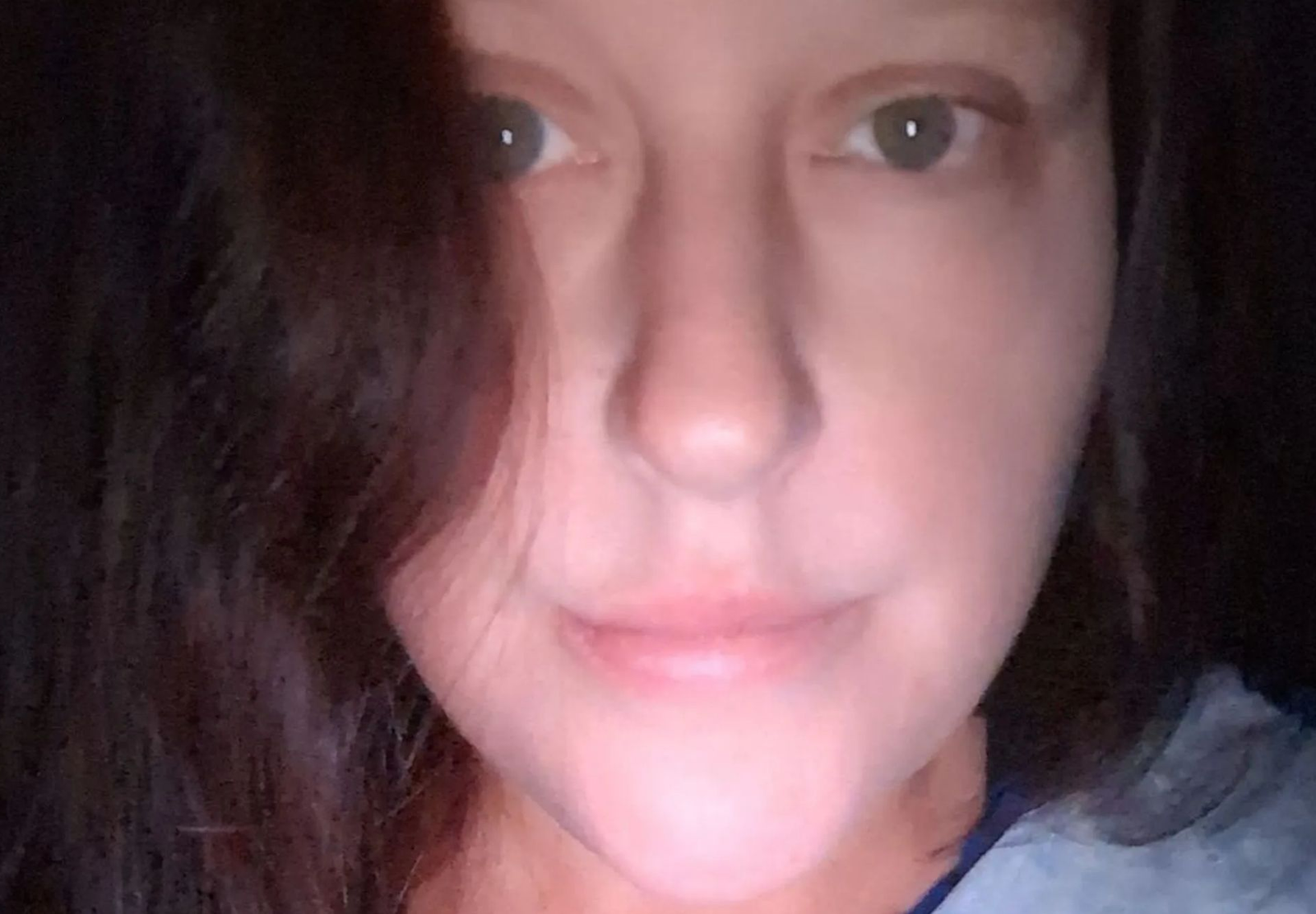
For most people, an ingrown toenail is a minor nuisance, easily handled with some warm water and a bandage. But for 42-year-old Lacey Shadrick from Sumter, South Carolina, this routine issue took a horrifying turn. In September 2024, an ingrown toenail turned gangrenous, setting off a chain of devastating medical complications that ultimately led to the amputation of half her foot.
Lacey, a diabetic mother of three, never imagined that something so small could spiral so catastrophically, leaving her fighting for her life, confined to a wheelchair, and fearing for her future mobility. Lacey had suffered from ingrown toenails for most of her adult life, often experiencing them as frequently as once a week.
She had always managed them herself at home. But this time, while visiting a family member in the hospital, she noticed a blister forming around her left big toe, along with pus and signs of infection. Alarmed, she asked the hospital staff to take a look. As a diabetic, Lacey Shadrick understood the risks infections posed to her feet, though she never anticipated the situation would escalate so quickly.
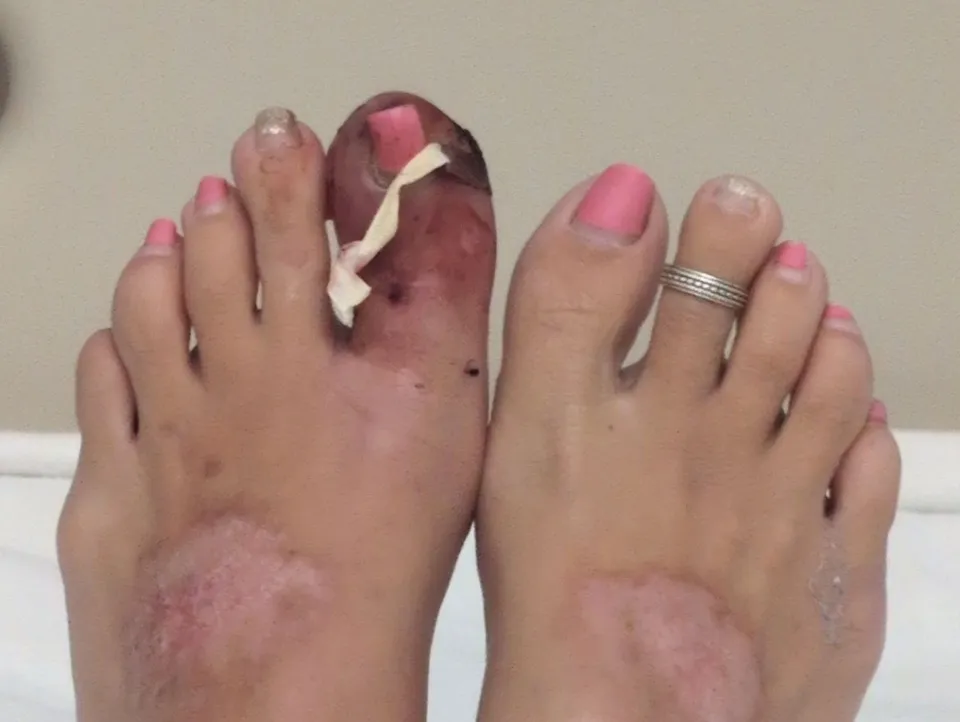
Doctors diagnosed a soft tissue infection and made incisions in her toe to relieve the pressure. Antibiotics were prescribed, but no gauze was used to protect the exposed wound. Within days, the infection worsened, and by the time results from an MRI scan came in, doctors were forced to perform an emergency amputation of her toe.
Read : What Is Type 5 Diabetes Officially Recognized as a Distinct Form of the Disease by IDF?
Gangrene had already set in—an alarming condition involving the death of body tissue due to a lack of blood supply—and had begun spreading rapidly. Lacey was told she was just hours from death due to sepsis.
A Rapidly Escalating Medical Nightmare
The initial amputation was only the beginning of Lacey’s medical journey. Following the removal of her toe in October 2024, she was sent home, but her condition continued to decline. The wound did not heal properly, and she began experiencing increased pain and unusual changes in her foot. She sought further medical attention, only to be told devastating news again and again.
Read : Top Ten Countries with the Highest Diabetic Population
By April 2025, Lacey had undergone three additional surgeries. It was discovered that she had developed osteomyelitis, a severe bone infection, which had silently spread throughout her foot. The infection had weakened her bones to the extent that merely walking crushed them. Her foot, as one doctor described, was a “mangled mess” from the inside out. MRIs revealed that not only were the bones broken, but they were crushed—by the pressure of normal daily walking.
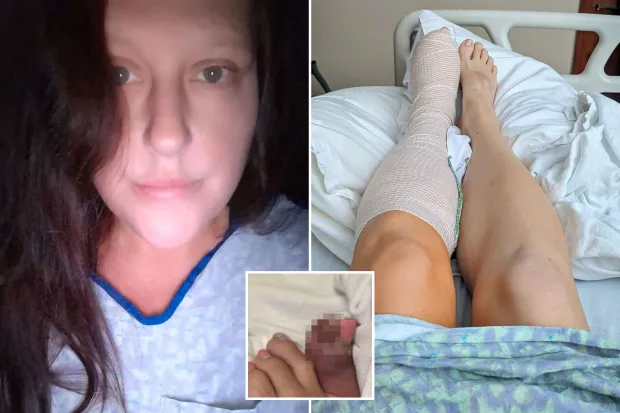
Her foot had also started to deform, twisting inwards due to muscle imbalances. Surgeons made the painful decision to perform a transmetatarsal amputation, removing all of her toes and half of her foot. To stabilize the remaining portion, her calf muscle had to be cut open and reattached to her Achilles tendon.
“I was extremely angry with what had happened,” Lacey said. “This should never have happened. I’m trying to let go of that anger, but it’s really hard.” From being an active person who loved being outdoors and playing sports, she found herself dependent on a wheelchair and unable to even begin the rehabilitation process without a costly prosthetic device.
The Role of Diabetes and Medical Oversight
Lacey’s case also highlights the deadly synergy between diabetes and foot infections. People with diabetes are more vulnerable to complications from seemingly minor injuries due to poor blood circulation and nerve damage, which can result in them not even feeling the injury in the first place. This lack of sensation can delay treatment, as was partly the case with Lacey.
She attributes part of her misfortune to inadequate medical care in the early stages of her treatment. “They didn’t cover the wound after cutting it,” she recalled, which may have contributed to the worsening infection. The oversight in wound care, especially in a diabetic patient, is especially concerning. Moreover, the hospital visit that initially seemed precautionary turned into the start of a harrowing ordeal.
As she watched her condition deteriorate, Lacey repeatedly communicated her pain and concerns, only to be reassured by doctors—until the situation reached the point of no return. By the time she was diagnosed with gangrene, the infection had reached her bone marrow, and her life was hanging by a thread.
Her story raises troubling questions about the standard of care diabetic patients receive, especially when dealing with common but potentially serious conditions like ingrown toenails. In hindsight, Lacey’s condition might have been manageable if caught and treated more aggressively from the outset.
A Call for Awareness and Advocacy
Now, Lacey Shadrick is determined to use her story as a wake-up call to others. She warns people not to ignore even the smallest issues, especially when it comes to their feet. “Take things seriously and advocate for yourself,” she urges. “You know your body—trust it. If you feel like you’re not being heard, make sure to find someone who will.”
She is especially concerned about how often women take their foot health for granted. From home remedies to salon pedicures, she believes people need to be more vigilant. “Be careful with your feet. We take them for granted. I’ve seen horror stories even from pedicures at salons. Make sure you go to places that are clean,” she advises.
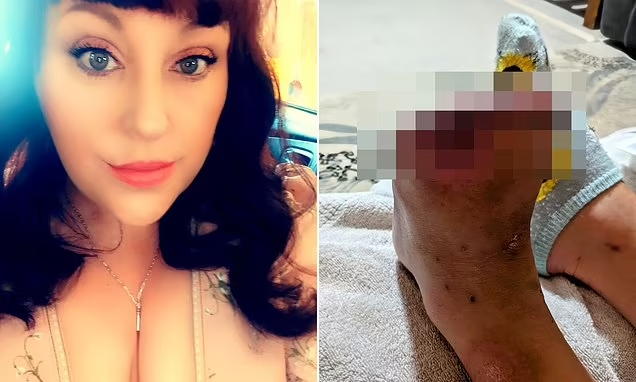
Financially, the experience has also taken a toll. Without insurance, Lacey is unsure how she will afford the prosthetic foot she now needs to regain her mobility. At a cost of around $1,700, it’s a steep price for a stay-at-home mother with no income. “You’re never financially ready for this kind of thing,” she laments. “All of it was so unexpected.”
Despite everything, Lacey is trying to remain hopeful. “I know if I have any chance of walking, I’m going to need a prosthetic that fits inside my shoe. Without that, I don’t think I’ll have an option to walk.” She’s currently confined to a wheelchair for six weeks as she recovers from her last surgery, unsure of what her life will look like afterward.
Her story is a powerful reminder of the dangers of untreated infections, the heightened risks diabetics face, and the importance of trusting one’s instincts when it comes to health. From a small blister caused by an ingrown toenail turned gangrenous, Lacey’s life changed forever. And in sharing her painful journey, she hopes to prevent others from walking the same path.