
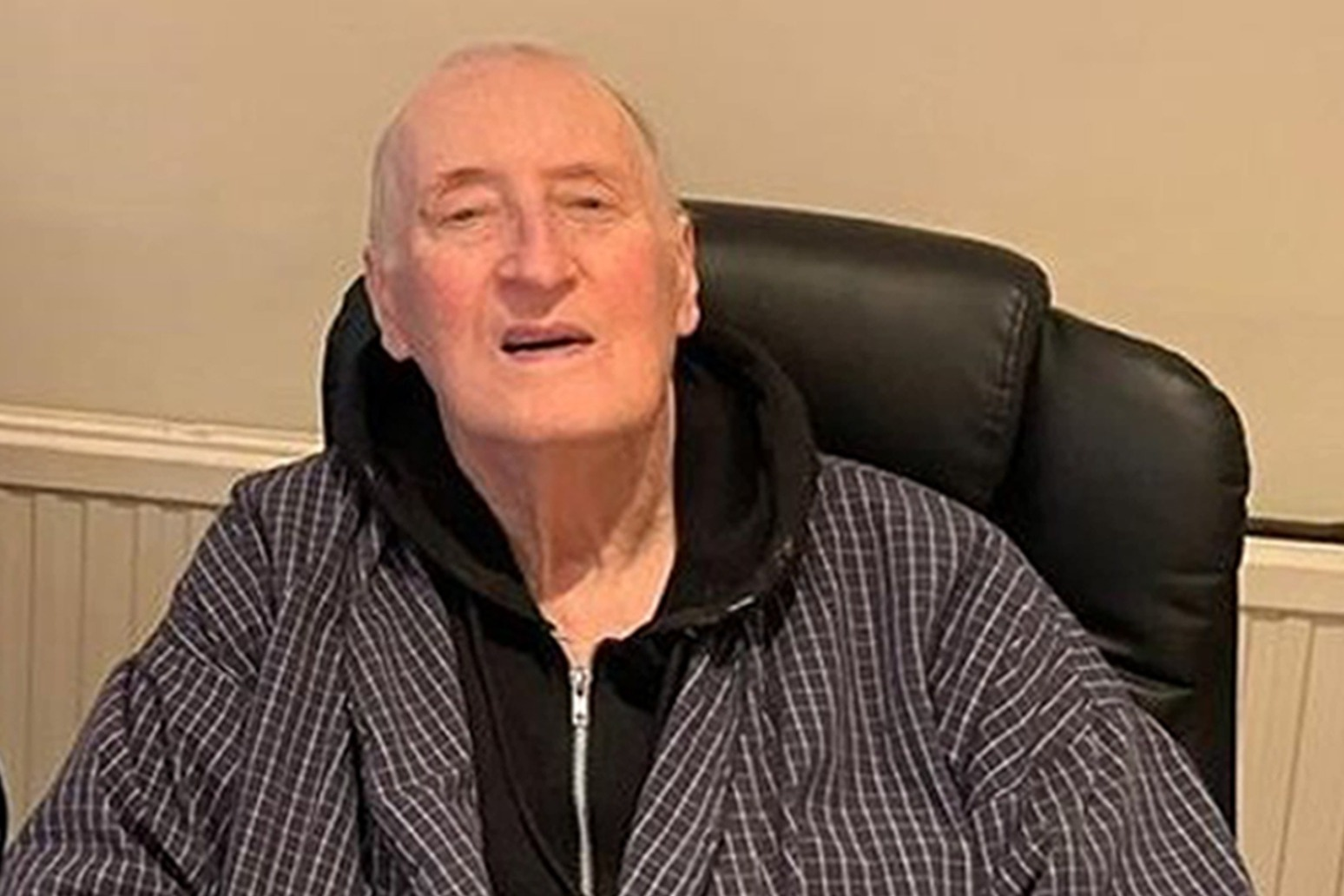
In a heartbreaking development that has shocked the west London community, 85-year-old Andrew Farmer has passed away following a violent assault by another patient at Charing Cross Hospital. The incident, which occurred on September 18, 2025, has prompted a full-scale murder investigation by the Metropolitan Police. Andrew Farmer, a longtime resident of Ealing, succumbed to his injuries exactly one week later on September 25, leaving behind a grieving partner of 60 years and a legacy of intellectual pursuits and quiet philanthropy. This tragedy raises urgent questions about patient safety in healthcare settings, though authorities emphasize that such events remain exceptionally rare.
The assault took place in the evening hours at the Hammersmith hospital, a key facility under the Imperial College Healthcare NHS Trust. Emergency services responded swiftly, but despite intensive medical intervention, Farmer’s condition deteriorated fatally. The suspect, a 70-year-old man with no fixed address, was arrested on site and initially charged with grievous bodily harm. As news of Andrew Farmer’s death emerged, the charges are expected to be upgraded, with the suspect’s next court appearance scheduled for October 17 at Isleworth Crown Court.
This case underscores the vulnerability of elderly patients in hospital environments, where recovery should be a sanctuary, not a site of peril. Tributes from Andrew Farmer’s loved ones paint a picture of a man whose life was defined by wit, learning, and generosity, making his untimely end all the more poignant. As the investigation unfolds, the focus turns to justice for Farmer, support for his family, and measures to prevent future incidents.
The Tragic Incident at Charing Cross Hospital
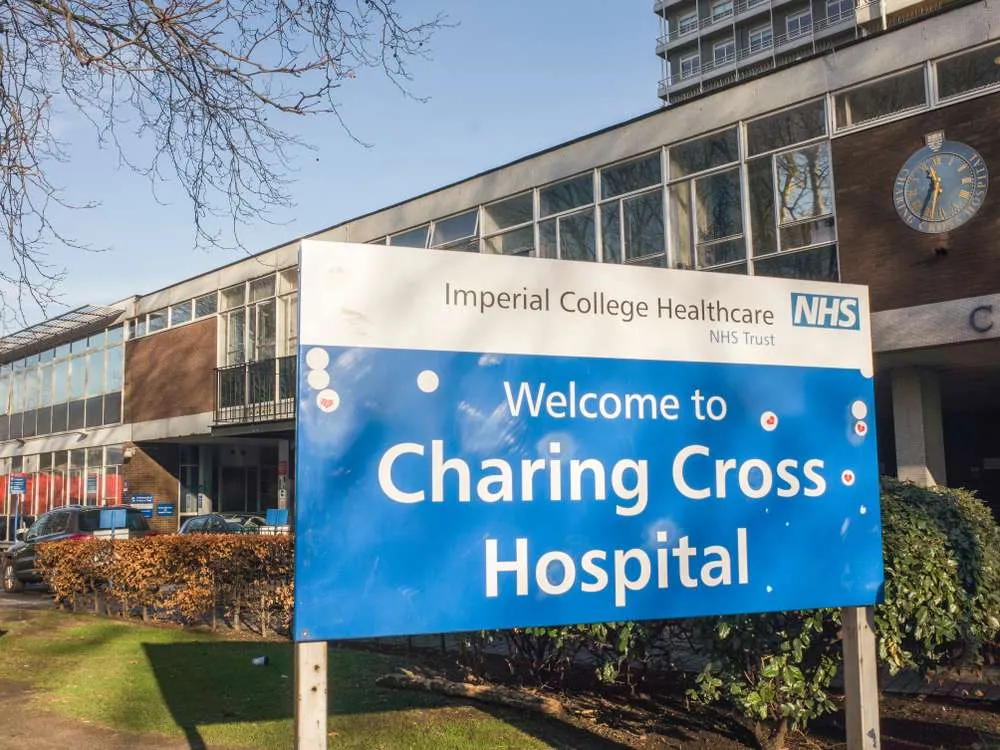
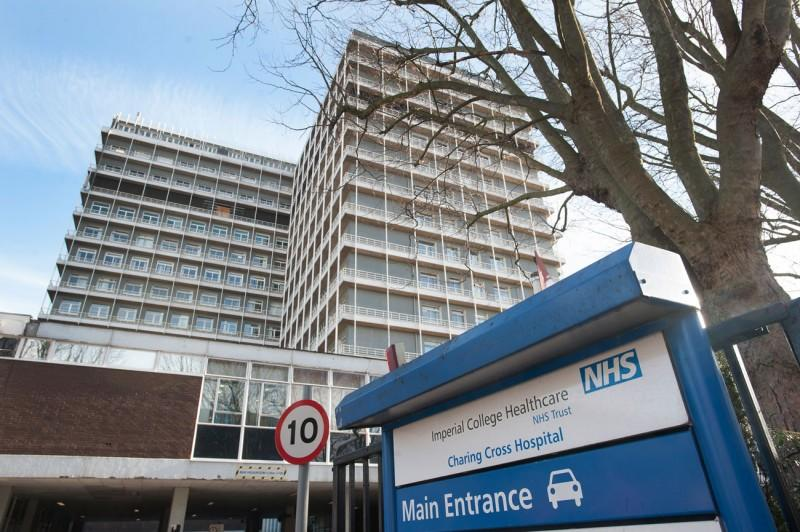
The events of September 18, 2025, unfolded with alarming suddenness in the wards of Charing Cross Hospital, a bustling NHS facility renowned for its renal, haematology, and cardiology services. At approximately 8:15 p.m., staff reported a disturbance involving two patients, leading to an immediate call to the Metropolitan Police. Responding officers arrived within minutes to find Andrew Farmer, an 85-year-old man already receiving urgent medical attention for severe injuries sustained during the altercation.
Eyewitness accounts from hospital personnel, though limited due to the ongoing probe, describe a brief but brutal confrontation between Farmer and another male patient. The assailant, later identified as Anatoliy Podmazko, allegedly struck Andrew Farmer multiple times, causing significant trauma to his head and upper body. Paramedics and trauma specialists worked tirelessly through the night, stabilizing Farmer and transferring him to the intensive care unit. Over the subsequent days, his condition remained critical, with doctors battling complications including internal bleeding and neurological distress.
Charing Cross Hospital, part of the Imperial College Healthcare NHS Trust, is no stranger to high-pressure scenarios, serving thousands of patients annually in west London. On that fateful evening, the ward in question—a general medical unit catering to elderly and vulnerable individuals—was operating under standard protocols. However, the rapid escalation from routine care to crisis highlighted the unpredictable risks posed by patient interactions, particularly among those with underlying mental health or cognitive challenges.
Podmazko, aged 70 and described in police records as having no fixed abode, was detained without resistance immediately after the assault. A search of his belongings revealed no weapons, suggesting the attack was carried out with bare hands in a moment of unchecked aggression. He was formally charged with grievous bodily harm on September 20, just two days later, and remanded in custody pending further inquiries. Bail was denied due to the severity of the injuries and concerns over public safety.
Read : Chompocalypse! Missing Indonesian Farmer’s Body Found Inside Python
Andrew Farmer’s seven-day fight for life became a somber vigil for his family, who remained by his bedside throughout. Medical updates indicated steady but fragile progress initially, only for a sudden decline on September 25 to prove insurmountable. He was pronounced dead at 3:47 p.m. that afternoon, with the cause of death officially listed as blunt force trauma compounded by pre-existing health vulnerabilities typical of his age. The hospital’s clinical teams, in a statement, expressed profound devastation, noting the “huge efforts” expended in vain to save him.
Read : British Farmer’s Rolex Watch Eaten by Cow in 1970 Recovered After 50 Years
This incident has reverberated through the hospital corridors, prompting an internal review under the national patient safety incident response framework. Staff morale, already strained by post-pandemic pressures, has taken a hit, with union representatives calling for enhanced security measures such as increased patrols and better segregation of at-risk patients. While the trust insists this was an isolated event, the loss of a patient in such circumstances demands scrutiny of everyday safeguards.
Remembering Andrew Farmer: A Life of Scholarship and Compassion
Andrew Farmer was more than a victim of violence; he was a pillar of quiet strength in Ealing’s close-knit community. Born in 1940, Farmer graduated with a first-class honors degree from Oxford University, where his sharp intellect first shone in the study of literature and history. Those who knew him recalled a man whose scholarly pursuits extended far beyond academia—his shelves groaned under volumes on Devon topography, a passion sparked by childhood holidays in the southwest, and he was a fervent patron of opera, often attending performances at the Royal Opera House with his lifelong partner, Paul Wrigley.
For six decades, Wrigley and Andrew Farmer shared a home in Ealing, a modest terraced house transformed into a haven of books, art, and intellectual discourse. Their bond, forged in the swinging London of the 1960s, weathered personal triumphs and trials with unwavering loyalty. In a poignant tribute released through the police family liaison team, Wrigley described Farmer as “my partner through thick and thin for 60 years. Now sadly missed. Our beautiful home will never be the same again. Scholarly but with a wry sense of humour. Rest now, my dear friend.”
Andrew Farmer’s compassion manifested in subtle, impactful ways. A retired civil servant, he volunteered with local charities supporting the underprivileged, from food banks in Ealing Broadway to literacy programs for immigrant families. Neighbors remember him as the gentleman who organized book drives and hosted informal salons on everything from Wagner’s Ring Cycle to the hidden trails of Dartmoor. His wry humor—delivered with a twinkle and a perfectly timed quip—lightened many a gathering, earning him the affectionate nickname “Prof” among friends.
At the time of the assault, Farmer was hospitalized for routine monitoring of a chronic respiratory condition, a minor setback in an otherwise active retirement. Friends noted he had been in high spirits, planning a trip to Devon to revisit favorite coastal paths. The brutality of his final days contrasted sharply with the grace of his life, amplifying the sense of injustice felt by those who loved him.
Wrigley’s words capture the void left behind: a partnership that spanned generations, now silenced. The couple’s circle, including former colleagues and opera enthusiasts, has rallied with private memorials, sharing anecdotes of Andrew Farmer’s generosity—like funding scholarships for young singers or mapping obscure Devon footpaths for hikers. As one longtime friend put it, “Andrew didn’t seek the spotlight; he illuminated others.” His death at 85 robs the world of a man who embodied the best of British eccentricity and empathy, leaving Ealing a little dimmer.
Ongoing Murder Investigation and Hospital Response
The Metropolitan Police’s murder investigation, now in its second week, moves with deliberate precision under the helm of Detective Inspector Kirsten Hadleigh. Upgraded from the initial grievous bodily harm charge against Podmazko, the probe encompasses forensic analysis of the assault scene, witness interviews with over a dozen hospital staff, and a deep dive into the suspect’s background. Early findings suggest no prior connection between the two men, pointing to a spontaneous flare-up possibly exacerbated by Podmazko’s untreated mental health issues.
Podmazko, born July 1, 1955, has a sparse criminal record, primarily minor public order offenses linked to homelessness. Police are exploring whether delirium or substance influence played a role, though toxicology results remain pending. He appeared via video link at Ealing Magistrates’ Court on September 21, where the gravity of Farmer’s injuries was outlined, justifying his continued detention at HMP Wormwood Scrubs. The October 17 hearing at Isleworth Crown Court will likely see murder charges formalized, pending postmortem confirmation.
Hadleigh’s team extends sympathies to Farmer’s family, with specialist officers providing round-the-clock support. “Our thoughts remain with Andrew’s family and friends during this unimaginably difficult time,” Hadleigh stated, underscoring the force’s commitment to a thorough, compassionate inquiry. Collaboration with the Crown Prosecution Service ensures all evidential thresholds are met, while scene-of-crime officers meticulously documented the ward layout to reconstruct the attack sequence.
In parallel, Imperial College Healthcare NHS Trust has activated a robust response. Their official statement conveyed collective heartbreak: “Everyone involved is absolutely devastated… Our hearts are with the family… We are supporting the Police with their investigation, alongside beginning an investigation under the national patient safety incident response framework.” Safety audits are underway, focusing on behavioral risk assessments and staffing ratios. To bolster confidence, the trust expanded its 24/7 Call for Concern hotline, now encompassing reports of inter-patient tensions.
Broader implications loom for NHS protocols. Experts note that while assaults in hospitals affect fewer than 0.1% of admissions, they disproportionately impact the elderly. Calls for mandatory de-escalation training and AI-monitored wards gain traction, though funding constraints temper optimism. For now, the trust reaffirms: “Safety is our biggest priority,” vowing swift lessons from this “exceptional situation.”
As October dawns, the quest for accountability persists. Andrew Farmer’s family, buoyed by community solidarity, awaits closure. In Ealing’s quiet streets and Charing Cross’s healing halls, his memory endures—a call to cherish vulnerability and fortify the frail.
o0asao
o0asao
yj3qok
I like this post, enjoyed this one thanks for putting up. “When you make a world tolerable for yourself, you make a world tolerable for others.” by Anais Nin.