
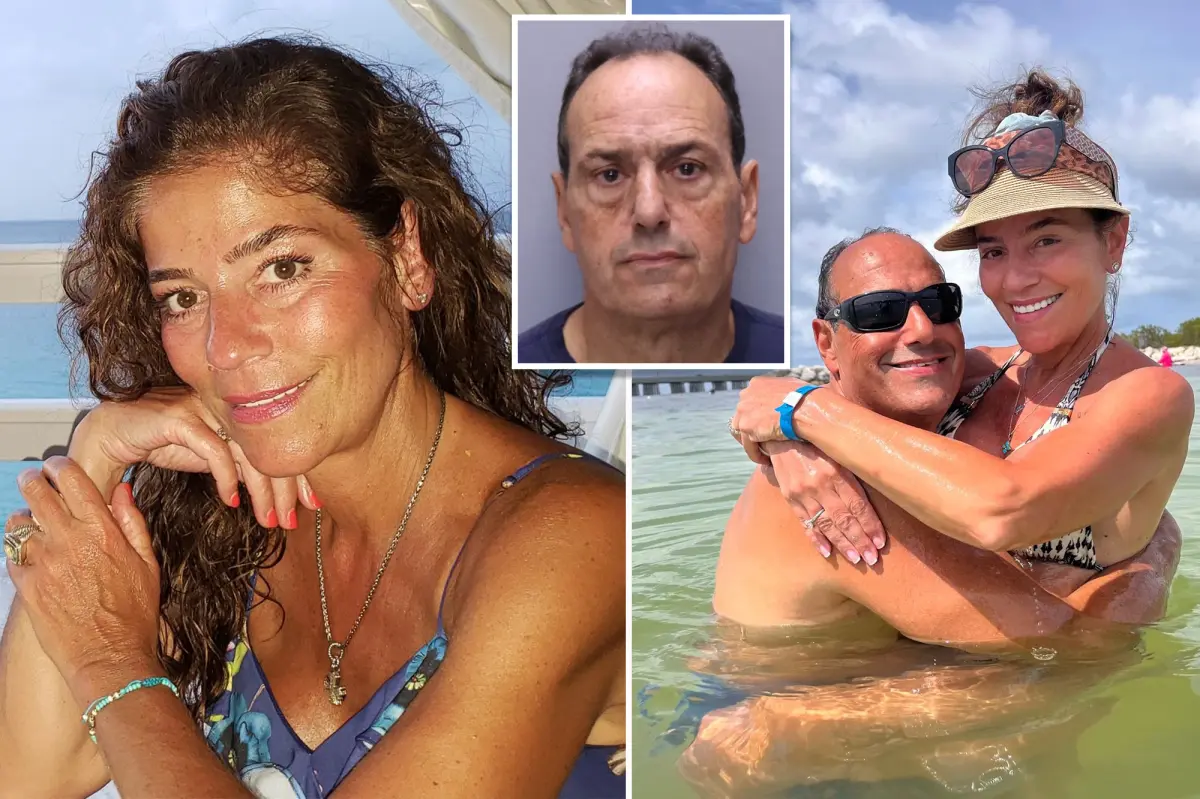
The death of 58-year-old Christina Theodosiou in a late-night golf cart crash in Nocatee, Florida, has raised serious concerns about impaired driving, community safety, and the growing risks associated with golf cart use in residential neighborhoods. The incident, which occurred on November 30, has resulted in a DUI manslaughter charge against her husband, 64-year-old Angelo Theodosiou, a retired New York City restaurant owner who had relocated to Florida with his wife several years prior.
According to the St. Johns County Sheriff’s Office, investigators found several signs of impairment at the scene, and the outcome of the crash has prompted renewed scrutiny over the conditions surrounding golf cart transportation in the fast-growing community. The case has drawn widespread attention not only because of its tragic nature, but also because of its implications for safety standards in areas where golf carts are commonly used as everyday vehicles.
Initial Investigation and Circumstances of the Crash
Authorities reported that the crash occurred around 10:45 p.m. on November 30 in Nocatee, a coastal planned community where golf carts are regularly used for local travel. According to the arrest report, Christina Theodosiou fell from the moving golf cart, striking her head on the ground with significant force. She was immediately transported by helicopter to Jacksonville Memorial Trauma Hospital, but despite emergency intervention, she later succumbed to her injuries.
At the scene, deputies documented indicators that led them to suspect impairment. Detectives observed that Angelo Theodosiou had bloodshot and watery eyes, as well as a reddened sclera, according to the report obtained by Law and Crime. Officers also detected what they described as a strong odor of alcohol emanating from him from approximately three feet away in an open-air setting. These observations became central to the decision to charge Theodosiou with driving under the influence.
The arrest report states that Angelo Theodosiou repeatedly questioned officers about what was happening and why he was being detained. When asked to complete standardized field sobriety exercises, he refused. Under Florida law, refusal to submit to testing can lead to additional consequences, especially when such refusal occurs in a case involving serious injury or death. Authorities concluded that he was the at-fault driver based on the circumstances and evidence available at the scene. The combination of the crash dynamics, observable physical signs, and refusal to cooperate with testing formed the basis of the DUI manslaughter and related charges that followed.
Read : Akshata Murty Trolled for Wearing £395 Dress at Rishi Sunak’s Resignation Speech
The 64-year-old was subsequently arrested and booked into the St. Johns County jail. Records confirm that he was released on bond on December 1, pending further court proceedings. His preliminary court date has been scheduled for January 6, when additional evidence and investigative findings will be reviewed. The tragic loss of Christina has not only affected her family but has also brought attention to the prevalence of golf cart-related accidents in the region.
Community Safety Concerns and Local Reactions
The Nocatee community, which has seen rapid residential growth, has faced increasing safety concerns tied to golf cart usage. These vehicles are treated as a primary mode of transportation by many residents and are often driven on shared roads, paths, and neighborhood intersections. While golf carts offer convenience and a sense of leisure, they lack many of the safety features found in standard vehicles, including doors, seatbelts in some models, and reinforced cabin structures. As a result, even minor collisions or sudden movements can lead to significant injuries.
Attorney Curry Pajcic, who spoke with WJAX, emphasized the broader issue by stating that accidents of this nature occur frequently. According to Pajcic, crashes involving golf carts happen “on a weekly, if not daily basis,” amounting to hundreds each year. He urged residents and policymakers to acknowledge that golf carts are not harmless recreational devices but motorized vehicles capable of causing serious harm.
Residents have expressed concerns about the infrastructure within certain sections of the community. Some argue that the absence of speed bumps, barriers, or other traffic-calming measures has contributed to unsafe conditions on roads where golf carts share space with cars, bicycles, and pedestrians. Others have pointed to a need for stricter local enforcement regarding nighttime operation and impaired driving. While current regulations allow for golf cart use in designated areas, the combination of low visibility, late-hour travel, and alcohol consumption increases the risks dramatically.
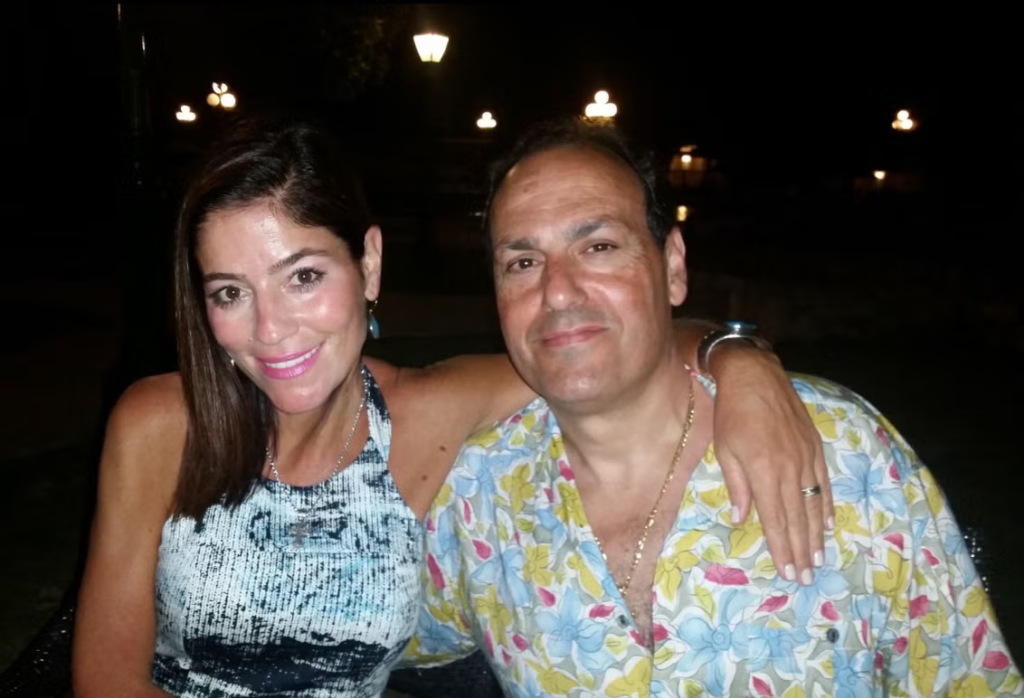
Law enforcement officials have reiterated that impaired driving laws apply equally to golf carts, bicycles, and motor vehicles. The legal standard for DUI does not change based on vehicle type. They have also highlighted that crashes involving golf carts can be just as catastrophic as those involving full-sized automobiles, particularly when passengers fall from the vehicle or are ejected as a result of sudden motion.
The death of Christina Theodosiou has therefore reignited discussions about how communities reliant on alternative transportation forms can better regulate their use. Some residents have called for mandatory lighting requirements after dark, the installation of more speed-control devices, and enhanced patrols during evening hours. Others believe that further public education is needed so residents fully understand the risks associated with golf cart operation, especially when alcohol is involved.
Legal Proceedings and Statements from Defense Counsel
As the case moves forward, Angelo Theodosiou’s defense attorney, L. Lee Lockett, has firmly denied the allegations of impairment. Speaking to The St. Johns Citizen, Lockett stated that his client “maintains his innocence” and insisted that he neither caused the accident nor was impaired at the time of the crash. According to Lockett, Theodosiou is devastated by the loss of his wife and is in a deeply distressed emotional state. Describing him as “heartbroken” and “depressed as can be,” the attorney emphasized that the tragedy has profoundly affected his client.
Read : Mob Brutally Beats Blake Ferrer and His Wife at Their Malba Home During Illegal Street Takeover
In cases involving DUI manslaughter, prosecutors must establish not only that the defendant operated a vehicle while impaired, but also that the impairment contributed to or caused the fatal incident. The defense is likely to challenge the reliability and interpretation of the officers’ observations, the absence of completed sobriety tests, and any assumptions about causation. Because Theodosiou refused field sobriety exercises, there are no formal test results documenting his level of impairment at the time, though refusal itself can be used against a defendant under Florida law.
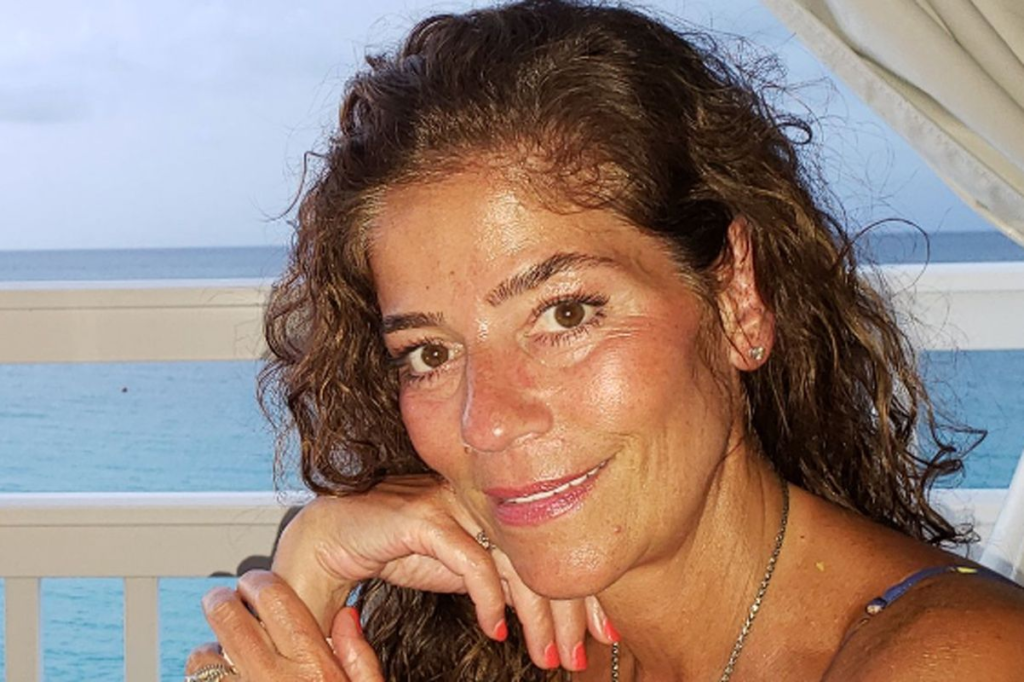
The defense may also scrutinize the physical conditions surrounding the crash, the design of the golf cart, roadway factors, and whether any unexpected mechanical or environmental circumstances played a role. In addition, they may question whether Christina’s fall was directly linked to driver behavior or if other variables contributed to her ejection from the vehicle.
Angelo Theodosiou’s personal background may also enter public discussion as the case unfolds. He previously owned the Jackson House Restaurant in Jackson Heights, Queens, a long-standing establishment known in its community. After years in the restaurant industry, he retired with his wife to Florida, where they became part of the growing population of residents using golf carts for local transportation. Though his past professional life is not legally relevant to the DUI charge, the contrast between his long working career and the circumstances of his wife’s death has drawn additional public interest.
The upcoming court hearing will likely determine the next stages of the legal process, including whether additional evidence such as witness statements, surveillance footage, or expert analyses will be introduced. Toxicology results, if any were obtained later, could play a central role, although the absence of immediate testing may complicate the matter. Both sides will examine the physical layout of the roadway, lighting conditions at the time of the crash, and the specific mechanics of how the victim fell from the cart.
As investigations continue, community members, legal observers, and the wider public will follow the case closely, given its tragic nature and the broader issues it highlights about safety, responsibility, and accountability in environments where unconventional vehicles share everyday transportation duties.
References:
Ho chunk casino madison
References:
https://www.pdc.edu/?URL=https://hedgedoc.eclair.ec-lyon.fr/s/95gPyeOns
References:
Some athletes have used steroids often with negative
References:
http://115.159.107.117:3000/verna47h36477/8079talentformation.net/wiki/Winstrol-Cycle:-The-Ultimate-Guide-Job-Listings-Employer-Listings-Employment%2CJobs%2CApplicants-for-Maui-County%2CHawaii
References:
Sioux falls casino
References:
http://qa.doujiju.com/index.php?qa=user&qa_1=pantytruck95
References:
Signs a woman is using steroids
References:
https://www.jasminsideenreich.de/Blog/index.php/;focus=STRATP_com_cm4all_wdn_Flatpress_7099662&path=?x=entry:entry210626-215104%3Bcomments:1
References:
Natural vs steroid body
References:
https://git.daoyoucloud.com/jessdemole645/jess1984/wiki/Clenbuterol-Wirkung%2C-Anwendung%2C-Nebenwirkungen
References:
Safest muscle building supplement
References:
https://meeting2up.it/@carolhipkiss26
References:
Gnc products protein
References:
https://mygit.kikyps.com/marianohopetou
References:
Weight gaining stack
References:
http://62.173.140.174:10480/karenb27140829/110.42.45.1687517/wiki/Dianabol-vs-Testosterone%3A-What%27s-better%3F