

The sentencing of 23-year-old animal rights activist Zoe Rosenberg has drawn widespread attention across California and beyond, highlighting once again the longstanding clash between agricultural corporations and advocacy groups that seek to expose alleged cruelty within industrial farming. Rosenberg, a prominent member of the Berkeley-based organization Direct Action Everywhere (DxE), was convicted in October after a lengthy seven-week trial in Sonoma County.
Her case centered on an incident in which she entered a Perdue Farms–owned Petaluma Poultry plant disguised as an employee and removed four chickens she believed were sick and neglected. While she has not denied her actions, Zoe Rosenberg has maintained that her intent was rescue rather than theft, and she has publicly stated that she does not regret the decision that ultimately resulted in a felony conspiracy conviction, multiple misdemeanors, and a 90-day jail sentence. Her case now stands as a significant milestone in the legal battles surrounding animal rights activism, biosecurity claims, and the limits of civil disobedience.
The Incident and the Legal Case Against Rosenberg
The events that culminated in Zoe Rosenberg’s conviction began when she allegedly entered the Petaluma Poultry processing facility using a fake employee badge, an earpiece, and clothing designed to mimic the attire worn by plant workers. According to prosecutors, she used this disguise to blend into the environment long enough to remove four chickens from the premises. These birds, later named Poppy, Ivy, Aster, and Azalea, were taken to an animal sanctuary shortly after the incident.
Zoe Rosenberg then posted a video documenting the operation on social media, a move that prosecutors argued demonstrated both premeditation and deliberate disregard for the law. During the trial, the prosecution presented the case as a clear instance of trespassing, conspiracy, and the unlawful taking of property from a company that supplies major grocery chains nationwide. Petaluma Poultry and its parent company, Perdue Farms, asserted that the facility adheres to industry standards and that the animals were not mistreated, rejecting the activist’s claims regarding cruelty.
The company also described DxE as an extremist group aiming to dismantle the animal agriculture sector by staging high-profile interventions designed to draw public attention. Meanwhile, Zoe Rosenberg and her supporters framed the operation as an act of necessity rather than criminal wrongdoing. Her defense centered on the argument that the birds she removed were visibly ill or suffering and therefore required medical intervention.
While this stance aligned with the broader philosophy of DxE—which frequently conducts open rescues and documents conditions inside farming operations—it did not persuade the jury. After seven weeks of testimony, including Zoe Rosenberg’s own account of the events, she was found guilty of felony conspiracy, trespassing, and additional related offenses. The court handed down its sentence on Wednesday, ordering Rosenberg to report to the Sonoma County Jail on December 10.
Thousands have signed a petition urging California to pardon animal-rights activist Zoe Rosenberg, who was convicted for taking four sick chickens from a Perdue-owned farm in Sonoma County.
— Change.org (@Change) November 18, 2025
In October, a jury found her guilty on four charges, including felony conspiracy, a… pic.twitter.com/z7WAClHJ8V
She will serve 90 days, though 60 of those may be completed through jail alternates, such as house arrest or a work program. In addition to jail time, she received two years of probation and must stay away from all Perdue facilities within the county. These requirements underscore the seriousness with which local authorities treated the case, particularly in an agricultural region where industry stability is a major concern.
Activist Reactions and the Broader Context of Direct Action Everywhere
For Direct Action Everywhere, Zoe Rosenberg’s sentencing represents both a legal setback and another chapter in the ongoing struggle its members have waged to expose what they describe as systemic animal cruelty in factory farming. The organization, founded in Berkeley, has orchestrated numerous high-profile protests, investigations, and rescues at farms across California and other states. These actions often involve entering facilities without permission, documenting alleged abuses, and removing animals perceived to be suffering.
Zoe Rosenberg herself has long been a visible figure within the movement. Following her conviction, she reiterated her belief that the birds she took were sick and needed care, saying she would not apologize for retrieving animals she believed were suffering. Her statements align with DxE’s philosophy that animals in industrial farms should be treated as individuals with rights, not as property subject to standard agricultural practices.
Read : Trio Breaks into Playland Amusement Park and Steals 200 Stuffed Animals
The group celebrated the four chickens she removed by naming them and placing them in a sanctuary, where supporters argue the animals received the medical attention that had been lacking at the plant. DxE maintains that such rescues are morally justified even if legally contentious, asserting that traditional enforcement mechanisms fail to adequately protect farmed animals. However, their tactics have drawn criticism from both the agricultural sector and law enforcement officials, who argue that unauthorized facility entries pose biosecurity risks and disrupt essential operations.

Petaluma Poultry has repeatedly pushed back against DxE’s claims, stating that conditions in its facilities meet regulatory guidelines and that accusations of cruelty are exaggerated or deliberately misleading. The company has expressed concern that highly publicized actions like Zoe Rosenberg’s contribute to misinformation about modern agricultural practices, potentially harming the industry’s reputation and the livelihoods of workers. By labeling DxE an extremist group, the company underscored its view that the organization aims not merely to rescue suffering animals but to undermine the broader systems on which poultry production depends.
This is not the first time DxE has faced legal challenges in Sonoma County. Two years ago, one of its co-founders was convicted in relation to similar factory farm protests in the region. These recurring confrontations illustrate an ongoing, unresolved tension between activism-driven investigations and the agricultural establishment’s efforts to maintain operational security and regulatory compliance.
Sentencing, Repercussions, and the Growing Debate Over Animal Rescue as Activism
Zoe Rosenberg’s 90-day sentence, combined with probation and a stay-away order, has sparked debate among advocates and critics alike. Supporters view the punishment as disproportionate for what they consider an act of compassion. They argue that the legal system should recognize the moral complexity of rescuing animals from allegedly harmful conditions and that felony-level consequences may deter legitimate whistleblowing about animal welfare issues.
Critics, including industry representatives, view the sentencing differently. To them, the court’s decision underscores the importance of upholding legal boundaries in regions where food production is central to the local economy. They maintain that unauthorized entry into agricultural facilities undermines biosecurity protocols and opens the door to misrepresentation of standard practices. From this perspective, the legal outcome reinforces the idea that activism must operate within the bounds of established law, even when motivated by ethical convictions.
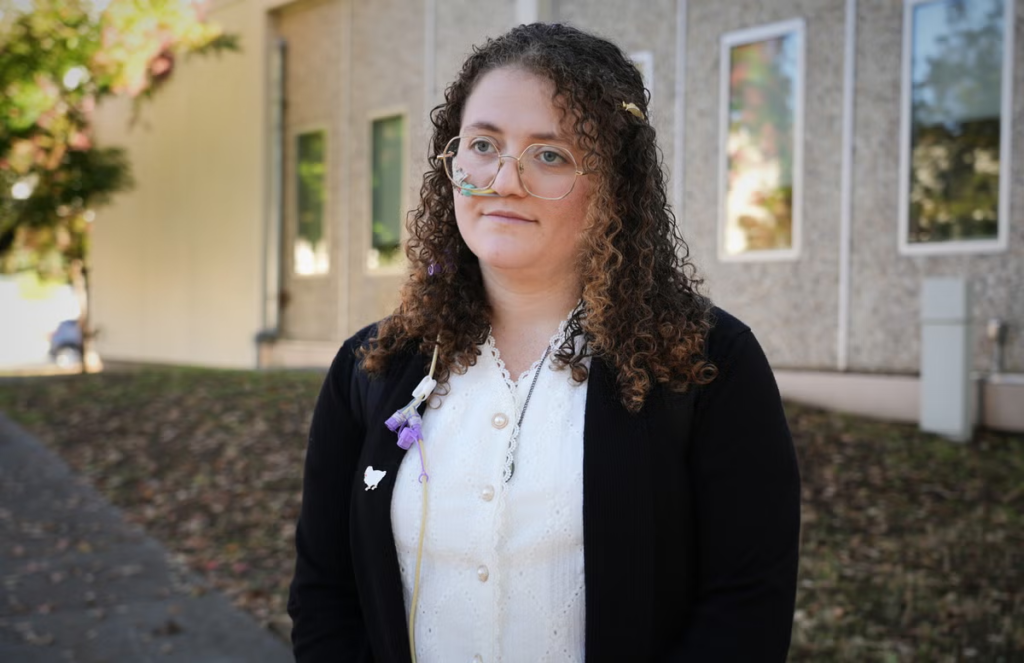
The court, for its part, appeared to take a middle ground by imposing jail time while also allowing for alternatives that may reduce the amount of confinement Rosenberg will serve behind bars. The inclusion of probation and restrictions on approaching Perdue facilities suggests a focus on preventing future similar incidents without imposing the maximum possible penalties.
This case also contributes to a broader national conversation about the role of civil disobedience in animal rights movements. As more activists employ direct action methods to document conditions inside industrial farms, courts around the country have been grappling with whether such actions constitute legitimate whistleblowing or criminal conduct. Some states have enacted so-called “ag-gag” laws aimed at preventing unauthorized documentation inside agricultural facilities, while others have seen successful legal defenses based on necessity or free speech arguments.
Rosenberg’s conviction does not resolve these disputes, but it adds another layer of complexity as activists, regulators, legislators, and industry leaders continue to debate the appropriate boundaries of protest, the transparency of food production systems, and society’s evolving views on animal welfare. Her willingness to publicly defend her actions, even in the face of criminal consequences, reflects a broader momentum within the movement, where individuals increasingly see direct intervention as necessary to address what they view as systemic injustices.
As Rosenberg prepares to report to jail, the case leaves Sonoma County with unanswered questions about how to balance agricultural interests with demands for greater scrutiny of animal treatment. For now, the sentencing stands as a pivotal moment in the ongoing clash between industrial poultry operations and the activists who challenge them, ensuring that the debate will continue — not only in California’s farming regions but in national discussions about the ethical, legal, and practical dimensions of animal rights advocacy.
tt88bet has been on my radar for a while. Finally checked it out and I’m impressed. The bonuses are pretty sweet. All players like getting bonuses as much as I do with tt88bet
**mitolyn reviews**
Mitolyn is a carefully developed, plant-based formula created to help support metabolic efficiency and encourage healthy, lasting weight management.
you could have a terrific weblog right here! would you wish to make some invite posts on my blog?
I’ll immediately seize your rss feed as I can’t to find your email subscription link or e-newsletter service. Do you’ve any? Please permit me recognize so that I may subscribe. Thanks.
References:
Jupiters casino
References:
https://md.chaosdorf.de/s/bD6t7BVpJw
References:
Effects of steroids on males
References:
http://starliving.co.kr/bbs/board.php?bo_table=free&wr_id=369227
References:
Bodybuilder before and after steroids
References:
http://www.zahnaerzte-gomaringen.de/Blog/index.php/;focus=STRATP_com_cm4all_wdn_Flatpress_9326203&path=&frame=STRATP_com_cm4all_wdn_Flatpress_9326203?x=entry:entry170329-211529%3Bcomments:1
References:
Roulette online game
References:
https://zenwriting.net/deletesalt8/instant-casino-offizielle-webseite-von-casino-instant-in-osterreich