
The Washington Post has found itself at the center of a media firestorm following the resignation of its Pulitzer Prize-winning editorial cartoonist Ann Telnaes.
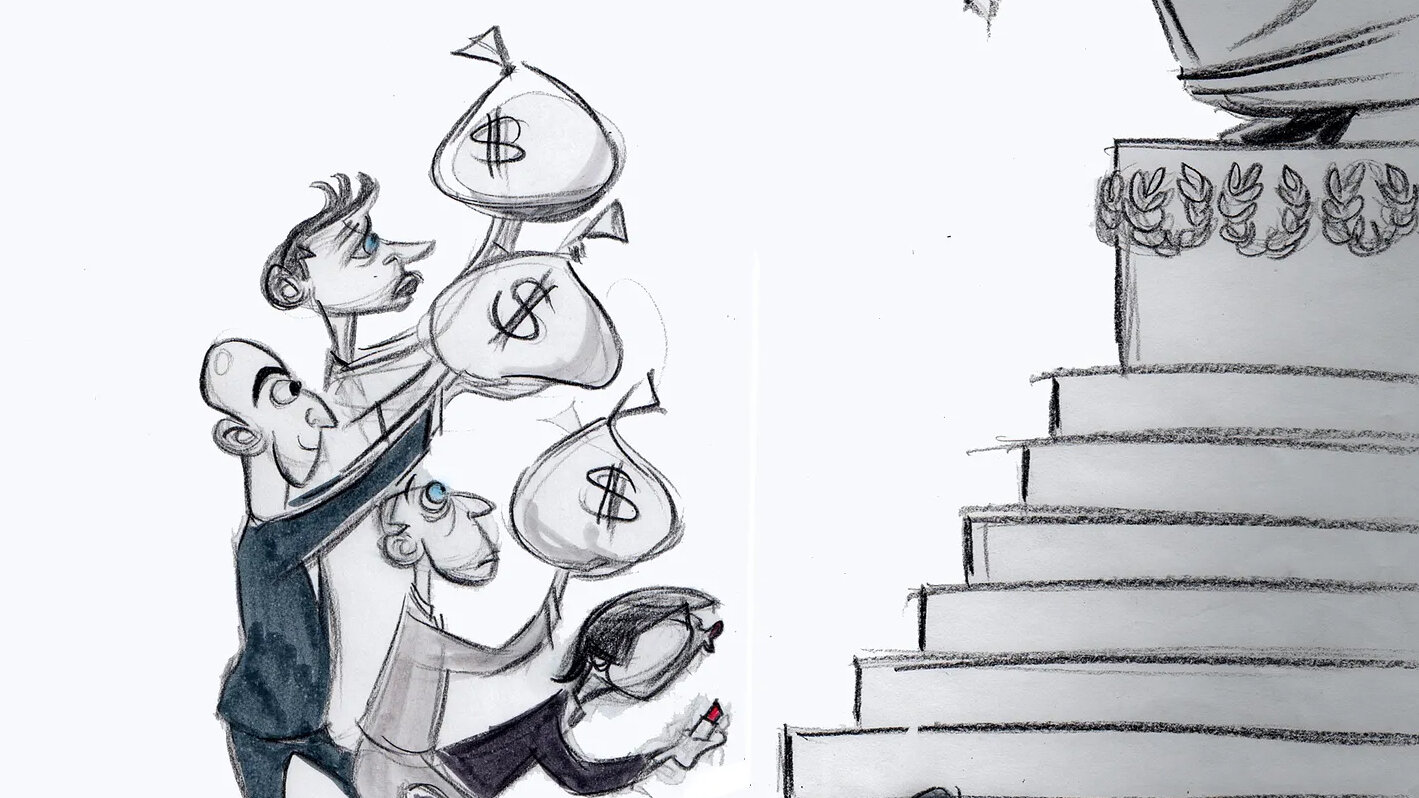
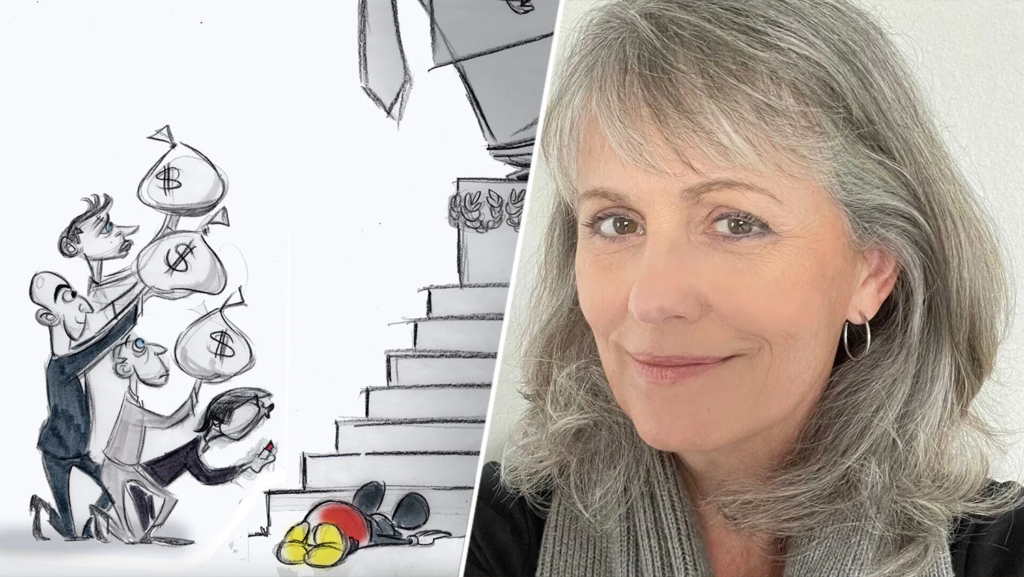
Her decision to step down was triggered by the newspaper’s refusal to publish a satirical cartoon that depicted its owner, Jeff Bezos, and other media tycoons kneeling before Donald Trump as he prepares for his second term in the Oval Office.
Telnaes’ departure raises questions about editorial independence, freedom of the press, and the increasing influence of media ownership on journalistic integrity.
A Bold Cartoon Sparks Controversy
Ann Telnaes, known for her sharp wit and incisive commentary, has long been celebrated for pushing boundaries in editorial cartoons. Her work, which won her the Pulitzer Prize for illustrated reporting in 2001 and a Reuben award in 2017, often challenges powerful figures and institutions. However, her latest cartoon struck a nerve within her own publication.
The cartoon in question featured caricatures of Bezos, Meta founder Mark Zuckerberg, Los Angeles Times owner Patrick Soon-Shiong, and even Walt Disney Co.’s Mickey Mouse.
All were depicted kneeling before Donald Trump in a satirical take on what Telnaes described as their attempts to curry favor with the president-elect. The cartoon aimed to highlight the growing coziness between media and tech barons and the Trump administration, raising concerns about their willingness to compromise journalistic integrity for political and economic gain.
Read : Washington Post Loses 200,000 Subscribers as Bezos Blocks Kamala Endorsement
Despite Telnaes’ long history of addressing contentious issues, the Washington Post refused to publish the cartoon. Opinions editor David Shipley defended the decision, citing “repetition” as the reason, given that similar content had already been scheduled.
Read : Euthanasia: Understanding the Right to Die with Dignity
Telnaes, however, argued that the rejection marked a significant departure from editorial practices, where critiques of visual metaphors or clarity were typical, but outright rejection due to the subject matter was unprecedented.
The Fallout: Telnaes’ Resignation and Public Backlash
In her resignation announcement on Substack, Telnaes expressed her disappointment, stating that the refusal to publish the cartoon was a “gamechanger” and a threat to a free press. She emphasized the importance of editorial cartoons as a medium for commentary, especially when addressing the actions of powerful individuals and institutions.
The Washington Post’s decision has drawn criticism from both readers and media analysts, who view it as a troubling example of self-censorship.

Critics argue that the rejection reflects the undue influence of ownership on editorial decisions, with Bezos’ position as both the subject of the cartoon and the owner of the newspaper creating a conflict of interest.
This controversy comes on the heels of other contentious decisions involving the Post and Bezos. In November, the paper faced backlash for prohibiting its editorial team from endorsing Kamala Harris in the presidential election, a move that many perceived as pandering to Trump. The fallout included over 200,000 subscription cancellations, further fueling concerns about the paper’s editorial independence.
Implications for Media Freedom and Independence
Telnaes’ resignation underscores broader concerns about the state of media freedom and the role of ownership in shaping editorial content. Her case highlights the challenges faced by journalists and cartoonists in holding powerful figures accountable, particularly when those figures have direct ties to the media outlets themselves.
The controversy also raises questions about the responsibilities of media organizations in safeguarding journalistic integrity. By refusing to publish Telnaes’ cartoon, the Washington Post has sparked debates about whether it prioritized protecting its owner’s reputation over upholding its commitment to fearless and independent journalism.
Furthermore, the incident sheds light on the growing trend of “anticipatory obedience” among media and tech leaders toward Trump. From Zuckerberg’s conciliatory gestures to ABC News’ settlement of a defamation lawsuit filed by Trump, these actions reflect a broader pattern of appeasement that critics argue undermines the role of the press as a watchdog.
Telnaes’ departure serves as a cautionary tale for the media industry, highlighting the need for transparency and editorial independence. It also underscores the vital role of satirical commentary in fostering public discourse and holding those in power accountable.
The resignation of Ann Telnaes from the Washington Post marks a pivotal moment in the ongoing struggle for media freedom and independence. Her bold cartoon, which sought to critique the intersection of media ownership and political influence, has sparked a necessary conversation about the responsibilities of journalists and the institutions they serve.
As the media landscape continues to evolve, the need for courageous voices like Telnaes’ becomes ever more critical. Her resignation is a reminder that the principles of free expression and accountability must remain at the forefront of journalism, even in the face of powerful interests.