
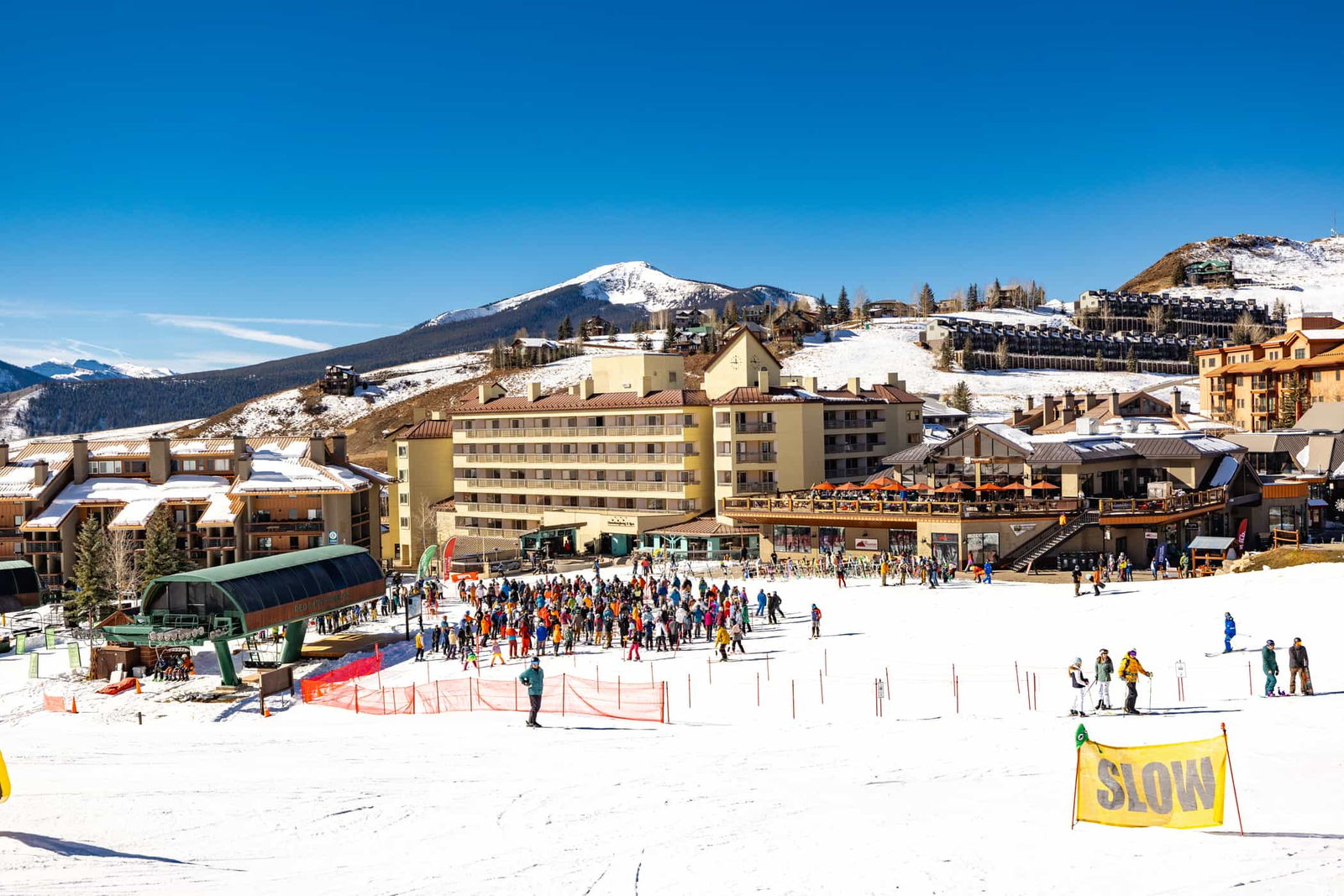
In a landmark decision that has sent ripples through the ski industry, a Colorado jury awarded Annie Miller, a 20-year-old from Oklahoma, $12.4 million in damages after a devastating fall from a ski lift at Crested Butte Mountain Resort in March 2022. The incident, which left Miller paralyzed from the waist down at the age of 16, sparked a multi-year legal battle against Vail Resorts, the owner of the resort. The case not only highlights issues of ski lift safety but also challenges long-standing legal protections for ski resorts, potentially reshaping liability standards in Colorado’s outdoor recreation industry.
The Tragic Incident at Crested Butte
On March 16, 2022, Annie Miller, then a 16-year-old on a ski trip with her Oklahoma church youth group, boarded the Paradise Express lift at Crested Butte Mountain Resort alongside her father, Michael Miller. The day was meant to be a joyful outing in Colorado’s snowy slopes, but it quickly turned catastrophic. As the high-speed, four-seat chairlift began its ascent, Annie Miller struggled to get properly seated. Unable to settle into the chair, she clung to the lift while her father and other skiers shouted for the operator to stop it.
Despite these desperate pleas, the lift continued moving, dragging Annie Miller forward as she hung precariously from the chair. Her father tried to hold onto her, but the situation became untenable. Approximately 30 feet above the hard-packed snow, Annie lost her grip and fell, landing on her back. The impact was devastating, shattering her C7 vertebra, bruising her heart, lacerating her liver, and injuring her lungs.
The fall resulted in permanent paralysis from the waist down, leaving her unable to walk. Compounding the tragedy, the lift did not stop even after her fall, forcing her father to ride to the top and ski back down to reach his injured daughter. Annie Miller spent several weeks recovering at Craig Hospital, facing a long and arduous rehabilitation process. Now a junior at the University of Tulsa studying music and psychology, Annie’s life has been irrevocably altered by the incident.
Read : Enchantment Awaits: Discovering the Magic of Walt Disney World Resort
The Miller family’s lawsuit against Vail Resorts centered on the claim that the lift operators were negligent for failing to stop the chairlift when Annie was visibly struggling. They argued that the operators, who were first-year employees, violated safety protocols established by the American National Standards Institute (ANSI) and enforced by the Colorado Passenger Tramway Safety Board. This failure, the family contended, directly led to Annie Miller’s catastrophic injuries.
The Legal Battle and Colorado Supreme Court Ruling
The legal journey for the Miller family was fraught with challenges, as ski resorts in Colorado have historically been shielded from lawsuits by the Colorado Ski Safety Act and liability waivers signed by patrons. When the Millers filed their lawsuit in December 2022 in Broomfield County District Court, they accused Vail Resorts of negligence, gross negligence, and willful misconduct. The lawsuit claimed that the resort “consciously and recklessly disregarded the safety of Annie” by not having properly trained operators at the lift controls who could respond to emergencies.
Initially, a Broomfield County district judge dismissed two of the family’s claims—negligence and negligence per se—in April 2023, citing the liability waiver signed by the Millers when they purchased their three-day Epic Passes in November 2021. The waiver, a standard part of lift ticket and season pass agreements, stated that skiers must have the “physical dexterity and knowledge to safely load, ride, and unload lifts” and relinquish their right to sue for injuries sustained due to the inherent risks of skiing.
Read : Unbelievable! Mark Gibbon Tries to Drown Daughter-in-Law During Family Vacation at Solterra Resort
For decades, such waivers, combined with the Colorado Ski Safety Act’s cap of $250,000 on damages for skiing-related lawsuits, had insulated resorts from most negligence claims. However, the Miller family appealed the dismissal to the Colorado Supreme Court, which issued a pivotal ruling in May 2024. The court determined that liability waivers do not protect ski resorts when they violate state safety laws or regulations, such as the ANSI standards for chairlift operations.

This ruling reinstated the negligence per se claim, which has a lower threshold than gross negligence, allowing the case to proceed to a jury trial. The decision was a significant departure from precedent, as courts had rarely sided with skiers in similar cases. The Colorado Supreme Court’s ruling sent shockwaves through the recreation industry, raising concerns among ski resorts, rafting outfitters, and other outdoor businesses about increased liability and potential spikes in insurance costs.
The jury trial, held in the Broomfield Combined Courts in August 2025, culminated in a verdict that found Vail Resorts 75% responsible for the incident, with Annie Miller assigned 25% of the fault due to her acceptance of risk in signing the liability waiver. The jury initially awarded $21 million, comprising $5.3 million for non-economic damages (pain and suffering), $10.5 million for economic losses (medical expenses and lost future earnings), and $5.3 million for physical impairment and disfigurement.
However, due to the jury’s allocation of fault and Colorado’s statutory cap on non-economic damages at $690,000, the final award was reduced to $12.4 million. Annie Miller expressed relief outside the courthouse, stating, “It’s a good day. I’m beyond grateful to the jury for holding Crested Butte responsible, and I hope something good comes out of it.”
Implications for the Ski Industry
The verdict in Miller v. Crested Butte is being hailed as a landmark case, potentially marking the first time a ski resort has been held liable for a negligence per se claim based on ANSI chairlift safety standards. Attorney Brian Aleinikoff, who represented Annie Miller, emphasized the significance of the ruling, noting that it could open new avenues for skiers to sue resorts, particularly over chairlift-related incidents.
“For the longest time, ski areas have been so insulated from lawsuits,” Aleinikoff said. “The inherent dangers and risks of skiing aren’t going to change… But how some of the ski lifts operate—that is really where this will have the biggest impact moving forward.” The case has sparked a broader debate about safety and accountability in Colorado’s $14 billion outdoor recreation industry.
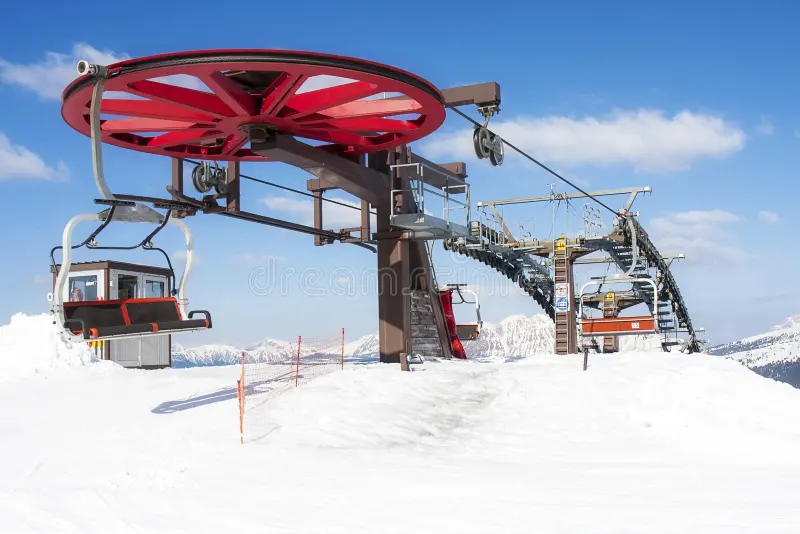
Ski resorts, backed by organizations like the National Ski Areas Association and Colorado Ski Country USA, argue that chairlift accidents are rare, with only 35 fatalities recorded across 18 billion rides since 1973. They contend that increased liability could lead to higher insurance costs, potentially raising lift ticket prices and limiting access to recreational activities, especially for smaller resorts. The National Ski Areas Association emphasized that “chairlift safety is a shared responsibility between ski areas and guests,” advocating for consistent safety practices and rider education.
On the other hand, consumer protection advocates, such as the Colorado Trial Lawyers Association, view the verdict as a necessary step to ensure accountability. The ruling underscores that ski resorts cannot rely solely on liability waivers to shield themselves from responsibility when they fail to adhere to state safety regulations. This shift could prompt resorts to enhance operator training, improve lift maintenance, and implement stricter safety protocols to prevent similar incidents.
For Annie Miller, the $12.4 million award provides financial support for her ongoing medical care and future needs, but it cannot undo the life-altering consequences of her accident. Her resilience in pursuing her studies and rebuilding her life is a testament to her strength, yet the case serves as a sobering reminder of the risks associated with ski lift operations. As the ski industry grapples with the implications of this verdict, it may lead to a reevaluation of safety practices and legal protections, ensuring that resorts prioritize the well-being of their patrons.
In conclusion, Annie Miller’s case is a pivotal moment for Colorado’s ski industry, challenging the long-standing immunity of resorts and highlighting the importance of adhering to safety standards. While the verdict does not alter the inherent risks of skiing, it signals a new era of accountability for chairlift operations, potentially making the slopes safer for future skiers.