
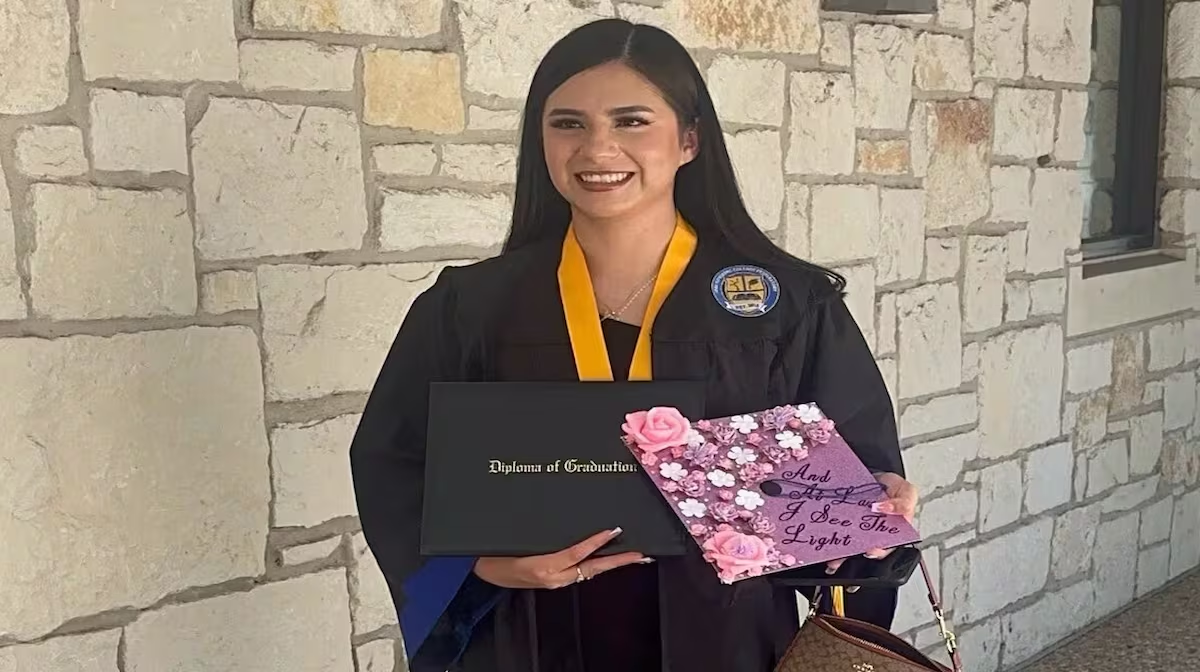
Any Lucia Lopez Belloza is a Honduran national and a Babson College freshman whose deportation in November has become a focal point in a growing legal dispute between the federal judiciary and the Trump administration’s immigration authorities. The case centers on a removal that occurred despite a federal court order barring her deportation, followed by the government’s refusal to facilitate her return to the United States.
At issue are questions of judicial authority, executive discretion in immigration enforcement, and the limits of remedial action when a court order is violated by the government itself. Lopez Belloza’s personal history, her pathway to college, and the legal arguments now unfolding in federal court provide a detailed portrait of how immigration policy and individual lives intersect under heightened enforcement regimes.
Early life, immigration history, and path to Babson College
Any Lucia Lopez Belloza was brought to the United States from Honduras at the age of eight by her mother, who sought asylum. Like many children who arrive in the country during their formative years, she grew up largely within the American education system, attending school and building her life in the United States. Over time, she came to view the country as her home, a place where long-term aspirations such as higher education and professional advancement felt attainable.
By the time she reached college age, Lopez Belloza had secured admission to Babson College, a private institution in Wellesley, Massachusetts known for its business and entrepreneurship programs. She enrolled as a freshman and received financial aid that made attendance possible, an opportunity she has described as the culmination of years of family sacrifice.
Her statements to the media emphasized her lack of a criminal record and her focus on academic achievement, framing her presence in the United States as that of a student pursuing education rather than someone engaged in conduct typically associated with enforcement priorities. Despite these circumstances, Lopez Belloza remained subject to the complexities of the U.S. immigration system.
A federal prosecutor in Massachusetts said that the administration will not return a 19-year-old college student who was deported over Thanksgiving despite a court order blocking her removal. pic.twitter.com/xh1ZgfjNsZ
— WarMonitor (@TheWarMonitor) February 7, 2026
According to court filings, she was under a final order of removal, a fact she has said she did not know at the time. Final orders of removal can be issued years earlier, sometimes in absentia, and can resurface abruptly when an individual comes into contact with immigration authorities. The existence of such an order ultimately formed the legal basis for her arrest and deportation, even as a federal judge sought to temporarily halt that outcome.
Detention at the airport and deportation despite a court order
The events that triggered the current legal battle began in November, when Lopez Belloza was detained at an airport while traveling to spend Thanksgiving with her family in Texas. Her detention prompted immediate legal action by her attorney, who sought emergency relief in federal court in Massachusetts. On November 21, U.S. District Judge Richard G. Stearns issued an order barring the government from deporting Lopez Belloza or transferring her out of Massachusetts for 72 hours. The order was intended to preserve the status quo while the court considered her case.
Despite this directive, Lopez Belloza was placed on a flight to Honduras on November 22. The removal occurred after immigration authorities failed to properly flag the court order, a lapse later described by a government lawyer as a “mistake” by an Immigration and Customs Enforcement officer. The violation of the judge’s order was acknowledged by the government, and an apology was offered during a subsequent hearing.
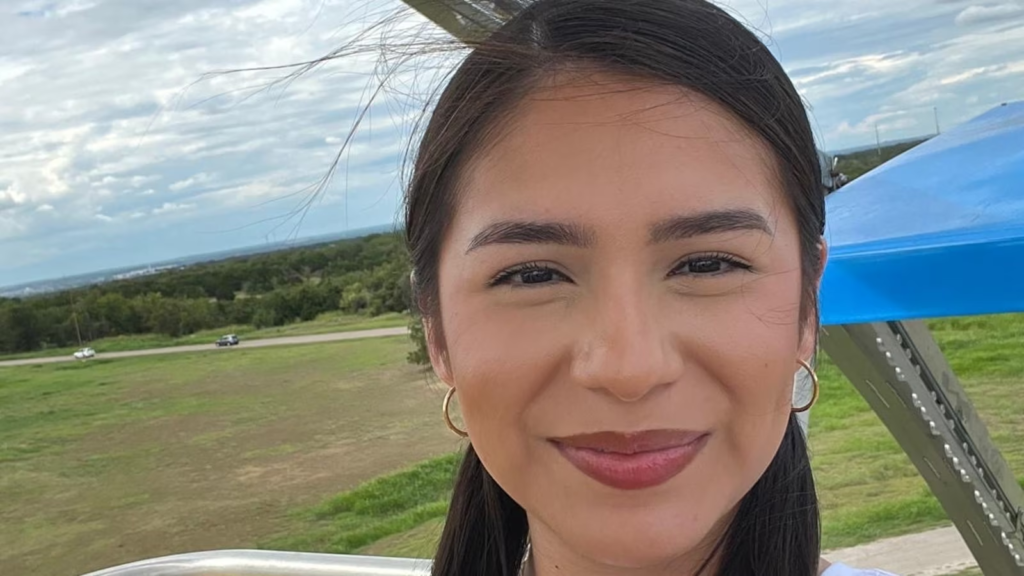
Following the deportation, Judge Stearns characterized the government’s action as an error that required correction. He gave the administration an opportunity to “rectify the mistake” and suggested that one possible remedy would be for the State Department to issue Lopez Belloza a student visa, allowing her to return to the United States and resume her studies at Babson College. The recommendation did not constitute a binding order but signaled the court’s view that some form of remedial action was appropriate given the acknowledged violation.
Lopez Belloza, meanwhile, remained in Honduras with her grandparents. Public statements attributed to her described a sense of shock and loss, particularly given her belief that she had been complying with the law and focusing on her education. Her account underscored the human impact of rapid enforcement actions, especially when they intersect with ongoing legal proceedings intended to provide due process.
Government refusal, legal arguments, and broader implications
On February 6, federal prosecutors in Massachusetts informed the court that the Trump administration would not return Lopez Belloza to the United States. In a court filing, U.S. Attorney Leah Foley argued that the Secretary of State lacks the legal authority to unilaterally issue a visa in such circumstances and that Lopez Belloza appears inadmissible under existing immigration law. The filing emphasized that even if she were returned, she would remain subject to immediate detention and removal because of the final order of removal already in place.
The Justice Department’s position framed the deportation as legally authorized despite the procedural violation of the court order. While acknowledging that the removal occurred in violation of Judge Stearns’s directive, the government argued that facilitating Lopez Belloza’s return would not alter her underlying legal status. Immigration and Customs Enforcement, the filing stated, had considered returning her to the status quo prior to removal but declined to do so, citing statutory and constitutional authority to enforce final removal orders.
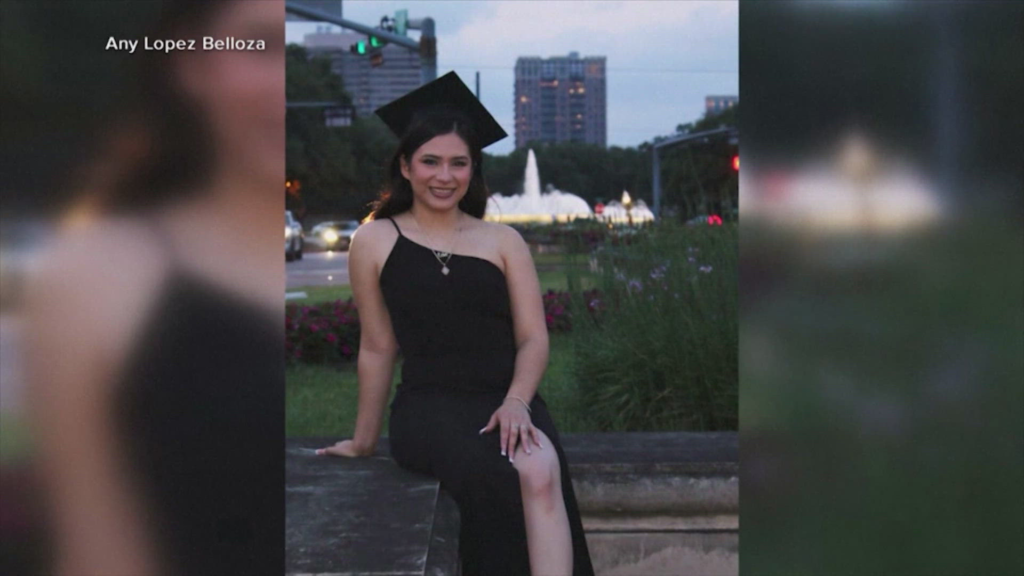
Judge Stearns has indicated that he may consider further action, including the possibility of holding the administration in civil contempt if it fails to comply with judicial directives. Such a step would raise significant separation-of-powers questions, particularly in the immigration context, where courts have traditionally afforded the executive branch broad discretion. The outcome could influence how future courts respond when government agencies violate orders designed to pause removals pending review.
Lopez Belloza’s attorney has said the legal fight will continue until she is returned to the United States. The case has drawn attention not only because of the student’s personal circumstances but also because it tests the practical enforceability of court orders in immigration cases. If a removal carried out in violation of a judge’s explicit directive can stand without remedial action, critics argue, it could weaken judicial oversight in an area already marked by limited avenues for relief.
Beyond the courtroom, the case illustrates the precarious position of young immigrants who have spent much of their lives in the United States but lack permanent legal status. Educational institutions, immigrant advocacy groups, and legal scholars have pointed to Lopez Belloza’s situation as emblematic of the uncertainty faced by students navigating higher education while subject to enforcement actions rooted in long-standing immigration proceedings. The administration’s refusal to facilitate her return reinforces a policy posture that prioritizes strict adherence to removal orders, even when procedural errors are acknowledged.
As the legal process continues, the case of Any Lucia Lopez Belloza remains unresolved. What is clear is that her deportation, the government’s admitted violation of a court order, and the subsequent refusal to return her have combined to create a test case with implications extending beyond a single student. The resolution will shape not only her future but also the contours of judicial authority and executive accountability in the enforcement of U.S. immigration law.