

On July 23, 2024, a seemingly ordinary day turned into a life-threatening ordeal for 57-year-old Derick Gant, a well-known performance coach from Toledo, Ohio. Gant, who is known for his strict workout routines and disciplined lifestyle, had no idea that his daily fitness session would push him into a medical emergency.
That morning, as he began his usual jump rope exercise, he set a personal challenge for himself—to jump longer than ever before without missing a beat. With determination, he succeeded in jumping for a minute and 15 seconds, but moments after his achievement, disaster struck.
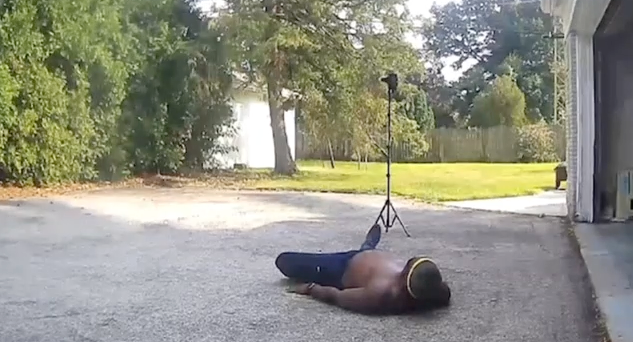
As his body started to falter, Gant experienced a sudden loss of coordination. He stumbled and fell to the ground. Confused and frightened, he soon realized that his left leg and arm had gone numb. It was the onset of a stroke. Unbeknownst to him at the time, his Apple Watch was actively monitoring his vitals and movements.
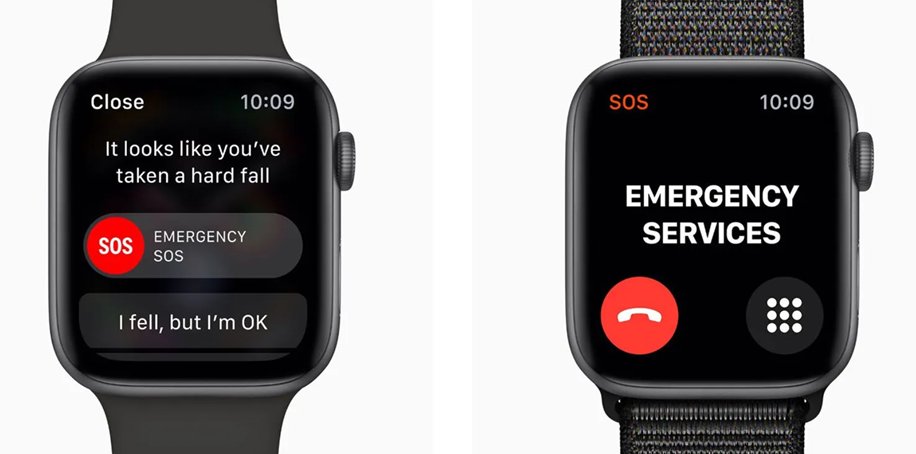
Within seconds, it detected irregularities and prompted him with a notification: “It looks like you’re in trouble, do you need some help?” Initially, Gant ignored the alert, dismissing it as a possible false alarm. But the persistence of his symptoms forced him to reconsider.
When he finally acknowledged the message and confirmed that he needed assistance, the smartwatch took swift action. It automatically notified his emergency contacts and dialed 911, transmitting his location to first responders.
Read : Mother Arrested After 5-Year-Old Dies Drinking Bottle of Apple Juice Containing Meth
Thanks to the prompt emergency call initiated by his Apple Watch, paramedics arrived quickly and began the necessary treatment before transporting him to the hospital. This seamless coordination between wearable technology and emergency medical services was pivotal in minimizing the damage caused by the stroke.
When Wearable Tech Becomes a Lifesaver
In recent years, wearable technology has evolved beyond fitness tracking and convenience features. Devices like the Apple Watch now come equipped with sophisticated health-monitoring functions that can detect falls, abnormal heart rates, and even early signs of serious medical conditions.
Derick Gant’s experience illustrates how this technology can serve as a silent guardian, always ready to intervene when danger arises. Dr. Mouhammad Jumaa, the neurologist who treated Gant, emphasized that the quick response made possible by the watch played a vital role in his recovery.
According to Jumaa, the faster a stroke is recognized and treated, the better the outcome for the patient. Strokes cut off blood flow to parts of the brain, leading to the death of brain cells in minutes. For many stroke victims, time lost is brain lost. But for Gant, that crucial time was saved by the immediate alert and emergency call made by his watch.
Man who inadvertently filmed himself suffering stroke says Apple Watch SOS saved his life. pic.twitter.com/1YGBkur4bZ
— Daily Mail Online (@MailOnline) May 2, 2025
Moreover, Jumaa underlined the importance of maintaining a healthy lifestyle—something Gant had always prioritized. His regular physical activity, disciplined diet, and overall fitness level significantly contributed to his rapid recovery.
Astonishingly, within just 24 hours of the stroke, Gant had regained about 90 percent of his physical functions. This quick turnaround was not only due to his good health but also to the incredibly fast medical response made possible by his smartwatch.
Ironically, Gant later admitted that he had recently stopped taking his prescribed blood thinners, a decision that likely led to a clot forming and traveling to his brain. This lapse, while regrettable, serves as a powerful reminder of the importance of following medical advice and how even those in peak physical condition are not immune to serious health issues. Thankfully, in Gant’s case, technology bridged the gap between disaster and survival.
A Viral Video and a Wake-Up Call
What has drawn widespread attention to Gant’s story is the video footage he unknowingly recorded during the incident. The video, which has since gone viral, captures the exact moment his body began to give in to the stroke.
It starts with Gant successfully completing his jump rope challenge, displaying remarkable energy and form. But soon after, the footage takes a chilling turn. Viewers can see him start to stagger, lose balance, and ultimately collapse—his struggle evident on camera.
This unfiltered, real-time documentation of a medical emergency has resonated with many people online. It shows how suddenly a stroke can strike, even in someone who appears strong and healthy.
It also brings to light the underestimated role of wearable devices in emergency situations. While many people use devices like the Apple Watch for tracking workouts or managing schedules, Gant’s story is a testament to their much deeper value in life-threatening situations.
Since the incident, Gant has spoken publicly about the experience. In interviews, he has expressed immense gratitude—not only to the paramedics and doctors who cared for him but also to the technology that first raised the alarm.
He has become a vocal advocate for wearable health tech, urging others to understand its potential beyond the surface-level features. Gant’s message is clear: even if you’re healthy, even if you think you’re invincible, emergencies can happen to anyone—and being prepared makes all the difference.
The Bigger Picture: How Smart Devices Are Transforming Healthcare
The story of Derick Gant is more than just a personal tale of survival. It reflects a broader trend in healthcare—where technology is playing an increasingly critical role in patient safety and emergency response.
Wearable devices like smartwatches are now being integrated into medical ecosystems. They are not only collecting health data but also analyzing it in real time, identifying patterns, and making autonomous decisions to seek help when necessary.
For individuals with chronic conditions like heart disease, epilepsy, or diabetes, these devices can monitor warning signs and issue alerts before symptoms even become noticeable. For the elderly and those living alone, features like fall detection and emergency SOS are literal lifelines. And for people like Gant—healthy, active, and seemingly low-risk—they serve as a vital backup when the unexpected occurs.
Healthcare professionals are increasingly recognizing the role of these technologies. Hospitals and emergency services are developing protocols to respond to alerts from devices like the Apple Watch. Some health insurance companies even offer incentives for users who actively monitor their health through wearables, seeing it as a cost-effective strategy to prevent serious medical events.
Furthermore, the data collected by these devices is helping researchers better understand early indicators of strokes, heart attacks, and other emergencies. Real-time analytics and AI-driven diagnostics are paving the way for more personalized and preventative medicine, moving away from reactive care to proactive health management.
A Personal Journey and a Broader Lesson
Derick Gant’s experience offers lessons on multiple levels. At a personal level, it is a stark reminder that health crises can strike anyone at any time. No matter how fit or health-conscious someone is, there is always the risk of an unforeseen medical issue. Gant’s decision to stop his medication—a seemingly minor lapse—nearly cost him his life. But it also emphasizes the importance of using every available tool to safeguard health.
At a community level, the story encourages broader adoption and awareness of wearable health technologies. Not everyone realizes that the smartwatch on their wrist might do more than count steps or read messages—it might save their life. As this technology becomes more advanced, affordable, and widespread, its potential impact on public health could be transformative.
And finally, at a societal level, it raises questions about how we incorporate technology into our healthcare systems. Should smartwatches be more widely prescribed or subsidized for at-risk individuals? Can health apps be better regulated to ensure accuracy and reliability? How can emergency services optimize their response to digital alerts from wearable devices?
For now, Gant’s story is one of hope, resilience, and the intersection of human effort with technological innovation. He has since recovered almost entirely, continues to live a healthy lifestyle, and is using his platform to educate others on the importance of proactive health monitoring. His message resonates far beyond Toledo: embrace the tools available, listen to your body—and never underestimate the power of a watch.