
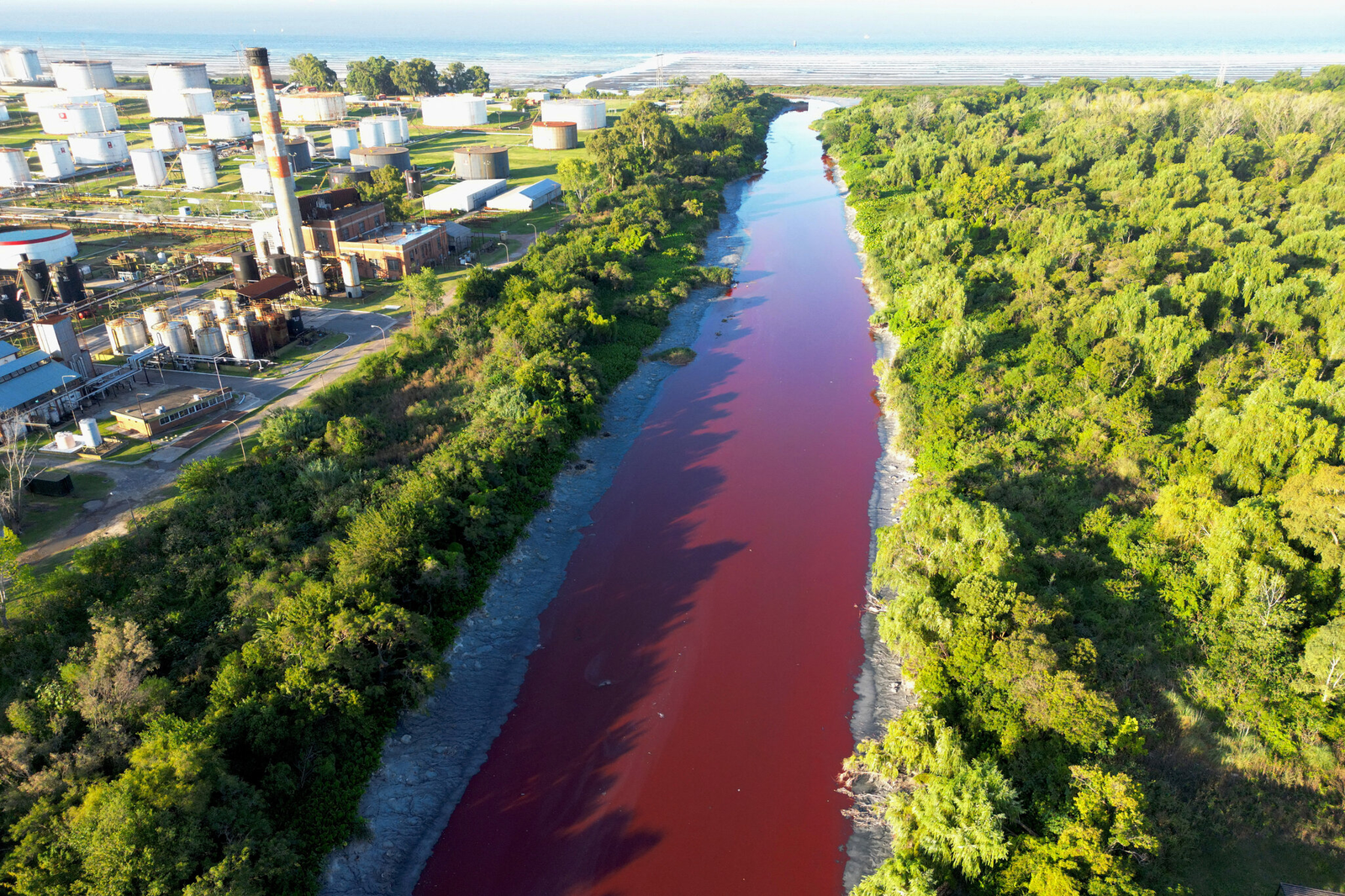
On February 6, 2025, residents of Buenos Aires woke up to an eerie and unsettling sight—the Sarandí Canal had turned a deep, blood-red color.
This unexpected transformation of the river, located near Villa Inflamable in the Avellaneda district, sparked panic among locals, with many fearing it was a sign of an apocalyptic event. The unsettling scene was accompanied by a strong, foul odor, first noticed around 5:30 a.m., adding to the growing concerns.
A Shocking Discovery in Buenos Aires
Maria Ducomls, a resident of the area, described the scene as something out of a horror movie. “It looked like a river of blood; we have never seen it like this,” she told the Associated Press.
Her sentiment was echoed by many others who took to social media to share images and videos of the unnerving sight, leading to widespread speculation about the cause of the phenomenon.
The Buenos Aires Ministry of Environment quickly responded by sending a team of experts to investigate the issue. Water samples were collected to determine the cause of the discoloration, and officials reassured the public that they would conduct a thorough investigation to uncover the truth behind this alarming transformation.
Read : Argentina Bans Gender Change Treatments and Surgeries for Minors
Initial theories suggested that an industrial spill might be to blame, with many pointing to the nearby tanneries and chemical plants that operate in the region.
The Environmental and Industrial Connection
The Sarandí Canal runs through an area known for its heavy industrial activity, particularly around Villa Inflamable, a neighborhood infamous for its environmental hazards.
This part of Buenos Aires has long been plagued by pollution due to the presence of factories, tanneries, and chemical processing plants. Many of these industries use toxic substances such as aniline, a key component in dyes, which could explain the dramatic change in the river’s color.
The Sarandí River in Buenos Aires turned red, this is probably due to algal blooms, red tides, or the presence of iron oxide or other minerals in the water. pic.twitter.com/Ohykoa6Z6i
— 𓂀 𝕋𝔼𝔸ℍ 𓂀 (@TeahCartel) February 7, 2025
According to environmental experts, the likely cause of the canal’s discoloration is an organic dye spill. A government source indicated that the spill may have originated from a nearby factory or warehouse, although the exact location has yet to be confirmed.
The municipality of Avellaneda has already filed a formal complaint with the province’s Ministry of Infrastructure and Public Services, which will lead the official investigation.
Industrial pollution has been an ongoing problem in Argentina, particularly in the Buenos Aires Metropolitan Area. A recent report highlighted a 30 percent increase in toxic spills in the region over the last two years.
In just the past 15 days, at least four environmental incidents have been reported, raising concerns over the lack of strict regulatory enforcement and the continued degradation of local ecosystems.
One of the main concerns regarding the Sarandí Canal is the potential impact on both human health and aquatic life. If the red discoloration is indeed caused by aniline or another toxic substance, prolonged exposure could lead to severe health complications for residents living nearby.
Aniline is known to cause skin irritation, respiratory issues, and even more severe conditions such as methemoglobinemia, a disorder that affects the blood’s ability to carry oxygen.
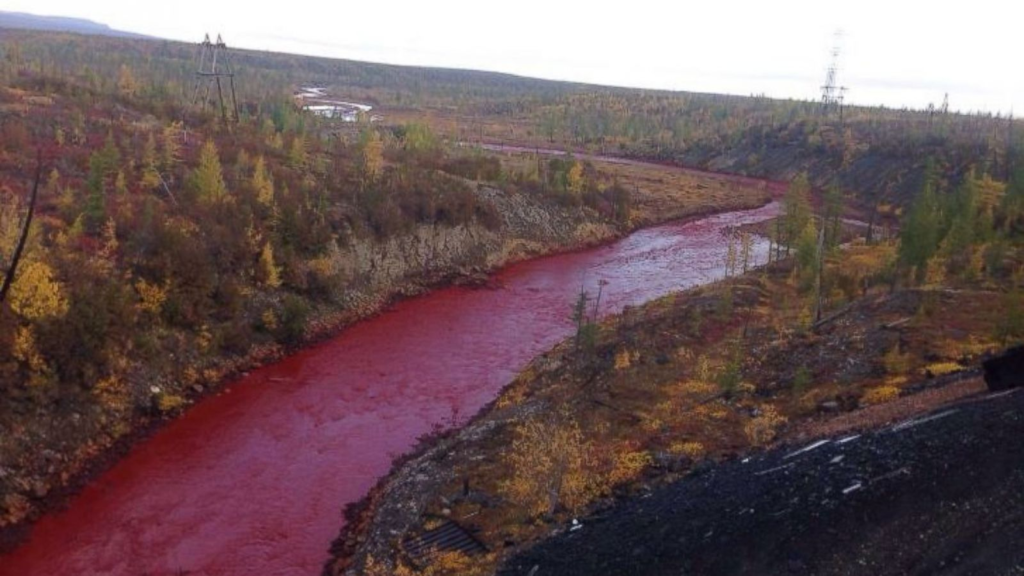
Local environmental activists have expressed frustration over the government’s handling of industrial pollution in the area. Many argue that despite repeated incidents, little has been done to hold corporations accountable for the damage they cause.
“This is not the first time we’ve seen pollution in our waterways, and it won’t be the last unless real action is taken,” said one activist from the Avellaneda Environmental Protection Group.
Growing Concerns Over Environmental Safety in Argentina
The Sarandí Canal incident is just the latest in a series of alarming environmental events in Argentina. Over the past few years, the country has seen an increasing number of industrial spills, oil leaks, and water contamination cases, raising serious concerns about the effectiveness of environmental regulations.
Experts warn that if industrial pollution continues at this rate, Argentina could face severe environmental consequences in the near future. Rivers and canals like the Sarandí Canal serve as critical water sources for local communities and wildlife, making it imperative that such incidents are prevented.
However, government agencies responsible for environmental oversight have often been criticized for their slow response times and lack of strict enforcement measures.
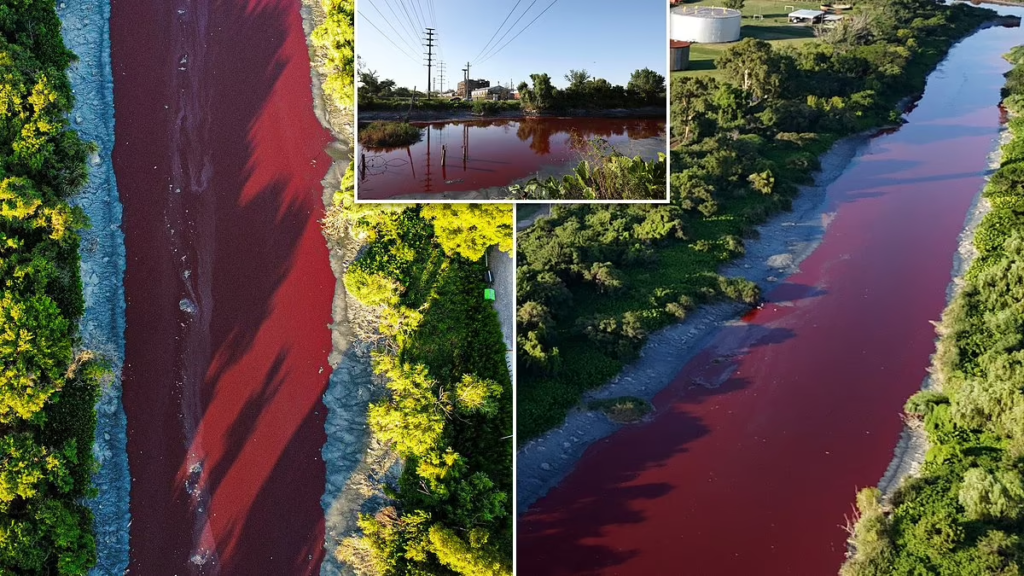
The investigation into the Sarandí Canal’s discoloration is still ongoing, but officials have assured the public that they will take appropriate measures once the source of the spill is confirmed. In the meantime, local authorities have advised residents to avoid contact with the water and to report any symptoms of illness that may be linked to exposure.
Many are calling for stronger environmental policies to prevent future disasters. Activists have proposed stricter regulations on industrial waste disposal, increased transparency in corporate environmental practices, and harsher penalties for companies that violate pollution laws. There is also growing support for independent environmental watchdog groups that could provide oversight and ensure that corporations adhere to safety standards.
While Argentina has made some progress in environmental conservation efforts, incidents like the Sarandí Canal disaster highlight the urgent need for stronger action. The country’s rivers and natural resources are vital to both its people and its economy, and allowing unchecked pollution to continue could have devastating consequences in the long run.
The eerie transformation of the Sarandí Canal has left residents shaken and searching for answers. Whether this incident serves as a wake-up call for stronger environmental protections remains to be seen, but one thing is certain: Argentina cannot afford to ignore its growing pollution crisis any longer.