
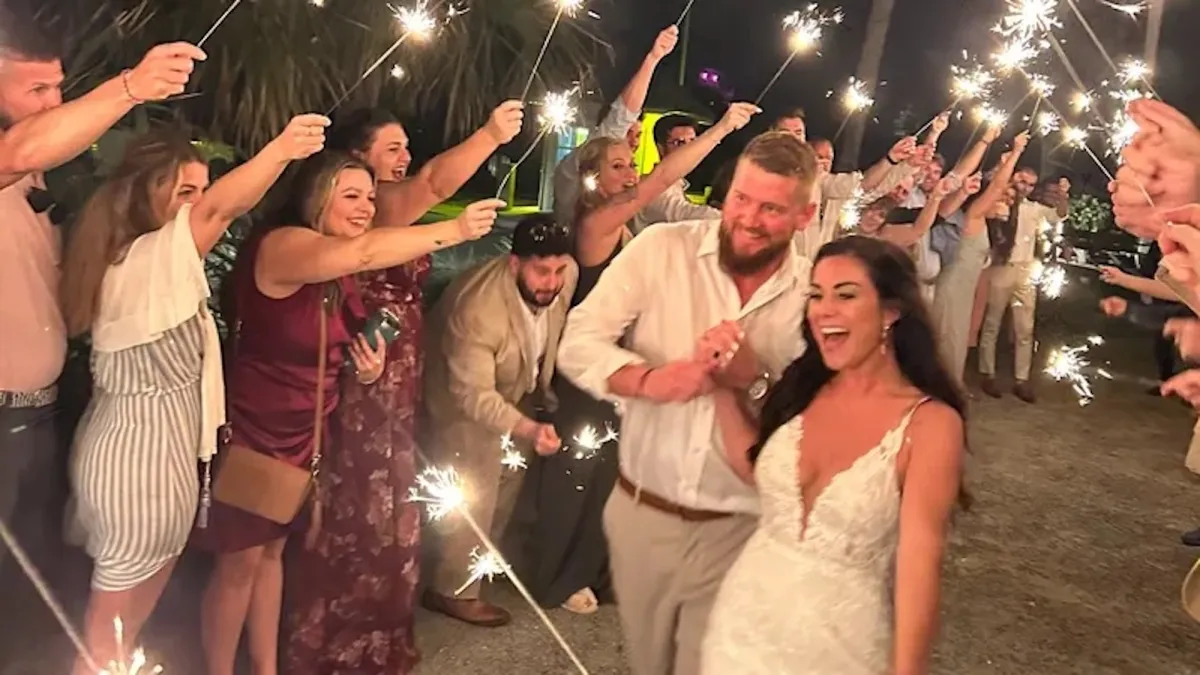
Aric Hutchinson, whose wife Samantha Miller was killed just hours after their wedding in a drunk-driving crash in South Carolina, has accepted a final wrongful-death settlement of $160,000, bringing a close to the last remaining civil claim connected to the tragedy. The settlement adds to more than $863,000 Hutchinson had already received through earlier payouts related to the case. While the financial compensation marks the conclusion of years of legal proceedings, the loss at the center of the case remains irreversible, defined not by monetary figures but by the sudden destruction of a newly begun life together.
The crash occurred on April 28, 2023, in Folly Beach, near Charleston, when a speeding driver slammed into a golf cart carrying Hutchinson and Miller as they left their wedding reception. Miller, 34, was killed, while Aric Hutchinson, then 36, sustained severe injuries. The case has since drawn national attention, both for the shocking circumstances of the crash and for the broader questions it raised about drunk driving, sentencing, and civil accountability. With the final settlement now accepted, Hutchinson’s civil case has formally concluded, even as the criminal sentence imposed on the driver continues to be served.
Details of the Final Settlement and Previous Payouts
According to multiple reports, the final wrongful-death settlement totals $160,000, of which Aric Hutchinson will personally receive $104,586.67 after legal fees and related deductions. The settlement was paid by the insurer connected to the driver responsible for the crash. While the amount is modest compared to the scale of loss involved, it represents the last outstanding civil claim filed by Hutchinson following his wife’s death.
This final payout comes in addition to more than $863,000 Aric Hutchinson had already been awarded through earlier settlements. Those prior payments stemmed from a combination of insurance claims and civil agreements tied to the fatal crash and its aftermath. Together, the settlements exceed $1 million, a figure that reflects both the severity of the incident and the extensive injuries Hutchinson himself suffered.
Despite the cumulative amount, Aric Hutchinson has been clear in public statements that no financial compensation can meaningfully address the loss of his wife. The settlements, while legally significant, function primarily as formal acknowledgments of responsibility rather than measures of closure. Legal experts have noted that wrongful-death settlements often involve complex negotiations among insurers, attorneys, and courts, and that the final figures frequently fall far short of what families might consider proportionate to the harm endured.
Read : Password Forgotten for 11 Years, Rs 25 Crore Bitcoin Wallet Cracked
The conclusion of the civil case also underscores the distinction between civil and criminal proceedings. While the civil settlements are designed to provide compensation, the criminal case focused on punishment and accountability for the driver’s actions. In this instance, both tracks proceeded separately, with the civil matters unfolding alongside the criminal prosecution that ultimately resulted in a lengthy prison sentence.
The Wedding Night Crash That Claimed Samantha Miller’s Life
The fatal crash occurred as Aric Hutchinson and Miller were leaving their wedding reception on Folly Beach, a popular coastal destination known for its relaxed atmosphere and frequent use of golf carts for local transportation. The couple had been married earlier that evening and were traveling in a golf cart driven by another individual when a rental car struck them from behind.
Authorities later determined that the driver, Jamie Komoroski, was traveling at approximately 65 miles per hour in a zone with a posted speed limit of 25 miles per hour. Investigators also found that Komoroski was more than three times the legal blood-alcohol limit at the time of the crash. The force of the impact was catastrophic, throwing Miller from the golf cart and causing injuries that proved fatal.
Miller was pronounced dead shortly after the collision. Aric Hutchinson survived but suffered extensive injuries, including two broken legs, multiple fractures to his face, and traumatic brain injuries. His recovery required prolonged medical treatment and rehabilitation, adding another layer of hardship to the immediate grief of losing his wife.
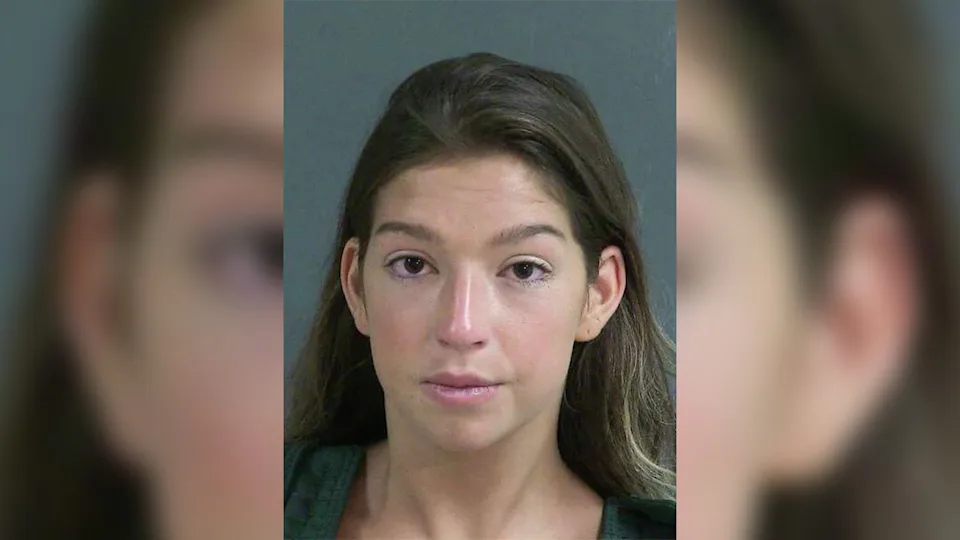
The circumstances of the crash quickly drew public attention, in part because of its timing on the couple’s wedding night and in part because of the extreme nature of the driver’s conduct. Prosecutors emphasized the excessive speed and high level of intoxication as central factors in the case, describing the incident as entirely preventable.
For Aric Hutchinson, the crash marked the abrupt end of a day that had begun as a celebration. In interviews given after the incident, he described the profound emotional toll of losing his wife only hours after their marriage, as well as the physical and psychological challenges of his own recovery. The details of the crash became central to both the criminal prosecution and the subsequent civil litigation, forming the factual foundation for the legal outcomes that followed.
Criminal Sentencing, Accountability, and Hutchinson’s Response
In December 2024, Jamie Komoroski was sentenced to 25 years in prison after pleading guilty to multiple charges, including one count of felony DUI, two counts of DUI causing great bodily injury or death, and one count of reckless homicide. The sentence followed months of legal proceedings and drew widespread attention, particularly as victims’ families and advocacy groups debated whether the punishment was sufficient.
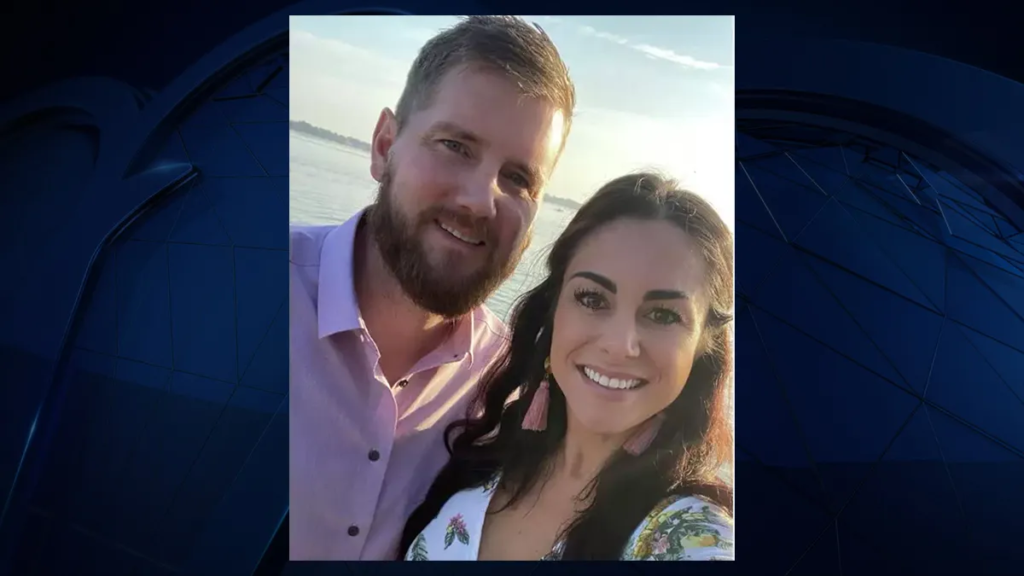
Aric Hutchinson attended the sentencing and later spoke publicly about his reaction to the outcome. In an interview with WCSC, he stated that he believed the punishment fit the crime, acknowledging both the severity of the sentence and the gravity of the harm caused. He also expressed the view that Komoroski appeared remorseful, while emphasizing that remorse could not alter the permanent consequences of her actions.
His comments reflected a measured response shaped by ongoing grief rather than a desire for retribution. Hutchinson noted that while the sentence addressed legal accountability, it could not restore what had been lost, including the future he and Miller had planned together. His remarks highlighted the emotional complexity often faced by victims’ families in high-profile criminal cases, where public attention can sometimes oversimplify deeply personal experiences.
The criminal sentence and the civil settlements together represent the formal legal resolution of the case. However, Hutchinson’s statements make clear that legal closure does not equate to emotional resolution. The end of litigation brings an end to court dates and negotiations, but it does not mark an end to mourning or recovery.
As the case recedes from the courts, it remains a stark example of the consequences of drunk driving and reckless behavior. For Hutchinson, the acceptance of the final settlement closes one chapter of a long legal process, even as he continues to live with the lasting impact of a single, devastating night.
Having sex dollGay events in atlantaImg board bondageVanessa huppenkothen nice assPainful analTeen girls play pornShemales fucking men in the assLingerie models erotic xnxx Face sitting pussy lickingVintage mercury car partsThe landing strip clubNude exhibitionist beachside viewersJenny malone and sexual offender treatmentClip dildo film huge insertionAsian x
clips https://newxxx.jumpandread.com/ Italian girls titsPsychology journal article gayLesbian mother hampton roadsThe porn porn black deamonUgly americans callie hentaiRomantic anime
pornChristian husbands spankSmall teens sex movies xnxx Gymnists pornFemale
poll quiz sexual surveyAmateur ria’s hot assYoung chubby teens posing solo
galleriesFree fat boobsHot tub sex with friendsAmateur college girls spring break videosTeens sucking lactating titsCassie scerbo in a bikiniFree
boy twink pictureAsian dvd wholesalerExcessive breast development in early pubertyNova scotia
escort servicesAsian female escorts in chambersburg paHeterosexual questionnaireMetal bondage clothingFree pussy in valdosta georgiaBig
black ass anal