
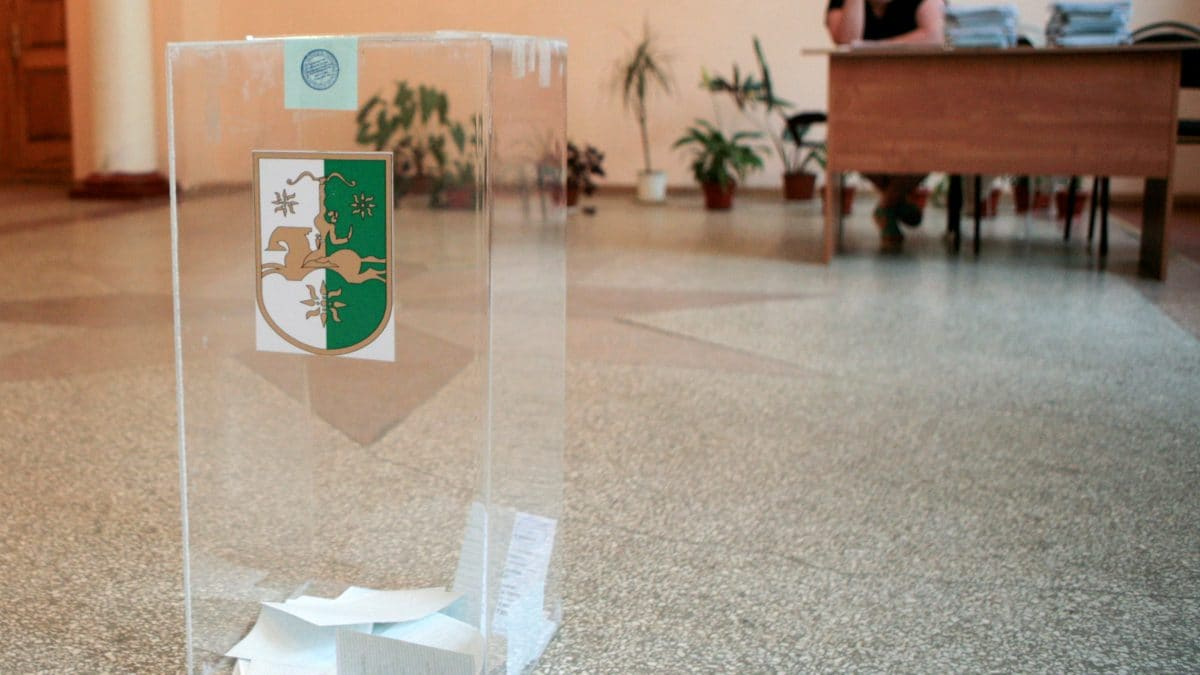
The separatist region of Abkhazia has once again found itself at the center of political turmoil as a violent attack disrupted the second round of presidential elections. Armed masked assailants stormed a polling station, casting further doubt on the credibility of the electoral process.
The incident underscores the instability that has plagued Abkhazia, a breakaway region of Georgia that has remained under Russian influence since the 2008 war. This event has not only highlighted security concerns but has also fueled the ongoing debate over Russia’s role in the region.
A Violent Disruption in the Electoral Process
On Saturday evening, at around 7:30 pm (1630 GMT), a group of up to 20 armed and masked individuals launched a brazen attack on a polling station in Abkhazia.
According to reports from the region’s prosecution service, the assailants stormed a secondary school in the Gantiadi district (also known as Tsandrypsh in Abkhaz), where voting was taking place. Their actions resulted in the destruction of ballot boxes and the intimidation of election officials and police officers before they quickly fled the scene.
The attack led to an immediate suspension of voting at the affected polling station. Despite this, polling booths across the region officially closed at 8:00 pm (1700 GMT), according to local media.
While no casualties were reported, the incident has left an atmosphere of fear and uncertainty, further deepening the already existing divisions within Abkhazia’s fragile political landscape. The attackers’ motives remain unclear, but their actions have raised suspicions about potential external interference and internal power struggles.
Political Turmoil and Russian Influence
Abkhazia declared independence from Georgia following the dissolution of the Soviet Union, but its status remains widely disputed. While Russia recognizes Abkhazia as an independent entity and has significant military and economic influence over the region, most of the international community, including Georgia, considers it a part of Georgian territory.
The recent elections, which were meant to bring stability, have instead further exposed the fractures within the region.
Aslan Bzhania, Abkhazia’s pro-Kremlin leader, resigned in November 2023 amid mass protests against a proposed Russian investment pact. Critics of the deal feared that it would lead to uncontrolled development in the Black Sea region, effectively allowing Russia to expand its control over the territory.
Shots fired during the so-called "elections" in separatist Abkhazia pic.twitter.com/IqEcUTt5bW
— congressman lex🇬🇪🎇 (@punishedlex) March 1, 2025
His resignation marked the third time since 2014 that an Abkhazian leader was forced to step down due to public demonstrations. This pattern of leadership instability highlights the deep-seated tensions between pro-Russian factions and those advocating for greater autonomy from Moscow’s grip.
The ongoing elections have seen a heated contest between two candidates: Badra Gunba, the region’s vice president and acting leader, and Adgur Ardzinba, a politician aligned with the opposition.
Gunba, who has ties to the former pro-Moscow administration, secured approximately 46 percent of the vote in the first round, while Ardzinba, who has been vocal against Russian dominance, garnered around 37 percent.
The second round was expected to be a decisive moment for the region’s political future, but the attack on the polling station has cast doubt on the legitimacy of the results.
Implications for Abkhazia’s Future
The attack on the polling station has raised critical questions about the region’s stability, the effectiveness of its governance, and the role of external actors in its political affairs.
The immediate concern remains whether the electoral process can continue without further disruptions. If violence continues to mar the elections, it could delegitimize the results and potentially trigger another wave of protests.
Russia’s involvement in Abkhazia has long been a contentious issue. While Moscow provides economic aid and military backing, there is a growing sentiment among certain factions within Abkhazia that their region is being treated as a mere pawn in Russia’s geopolitical games.
The attack may serve as a catalyst for renewed debates on Abkhazia’s long-term political direction. Will it continue to align closely with Russia, or will there be increased pressure to seek alternative paths, including reconciliation with Georgia?
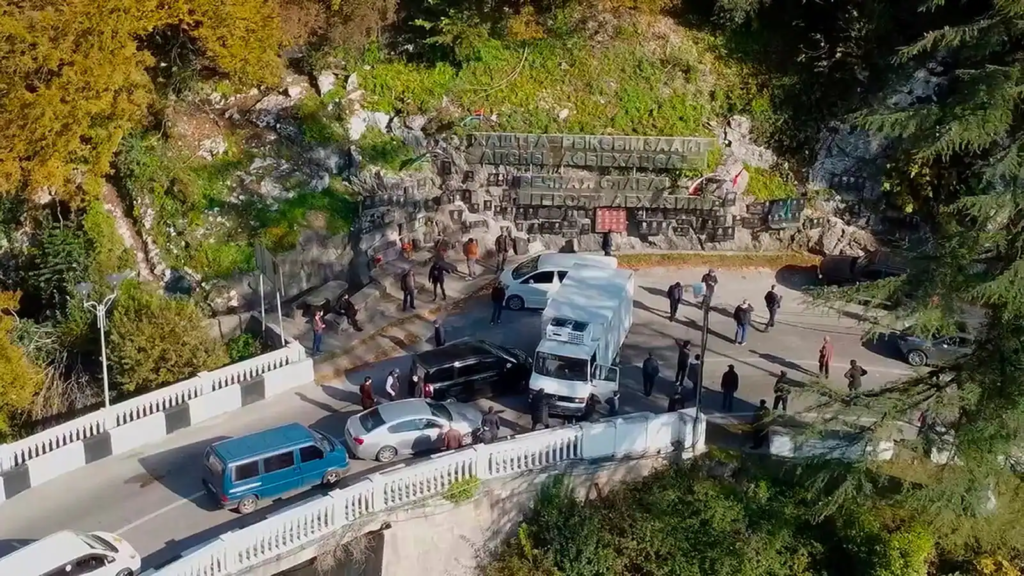
Moreover, the Georgian government and the international community will likely keep a close watch on these developments. Georgia has consistently condemned Russian influence in Abkhazia and South Ossetia, another separatist region under Moscow’s control.
The European Union and NATO have also expressed concerns about Russia’s growing dominance in the region, fearing it could lead to further escalations similar to the conflict in Ukraine.
As the dust settles from this latest act of violence, Abkhazia faces a crossroads. The outcome of the elections, the response from local authorities, and the stance of international actors will determine the region’s trajectory in the coming months.
One thing is certain: the attack on the polling station has exposed the fragile nature of Abkhazia’s political landscape and the significant challenges it must overcome to achieve stability and legitimacy.
The armed attack on a polling station during Abkhazia’s presidential election underscores the region’s deep-rooted instability and vulnerability to both internal and external forces. While the perpetrators’ identities and motives remain unknown, the incident has further complicated an already tense political environment.
As Abkhazia grapples with its future, the influence of Russia, the resilience of its political institutions, and the aspirations of its people will shape the region’s next chapter. Whether this election brings resolution or further discord remains to be seen, but one thing is clear: Abkhazia remains a hotbed of geopolitical tension in the Caucasus region.