

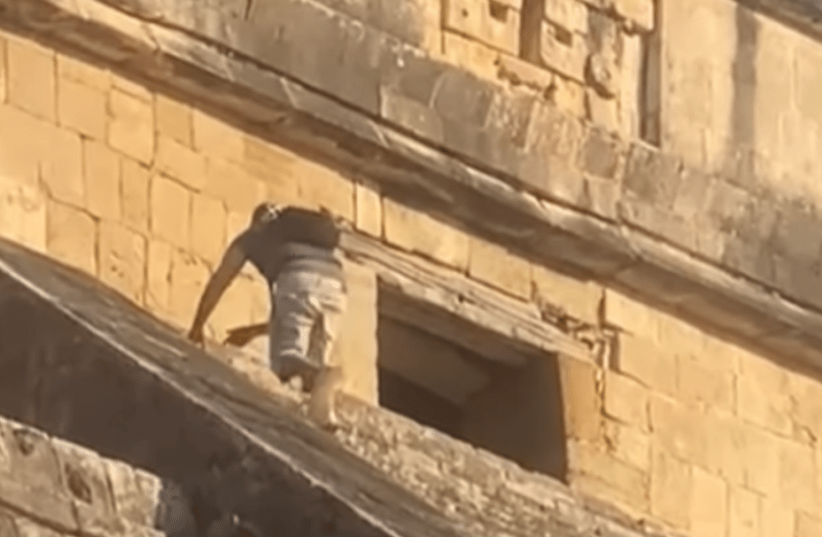
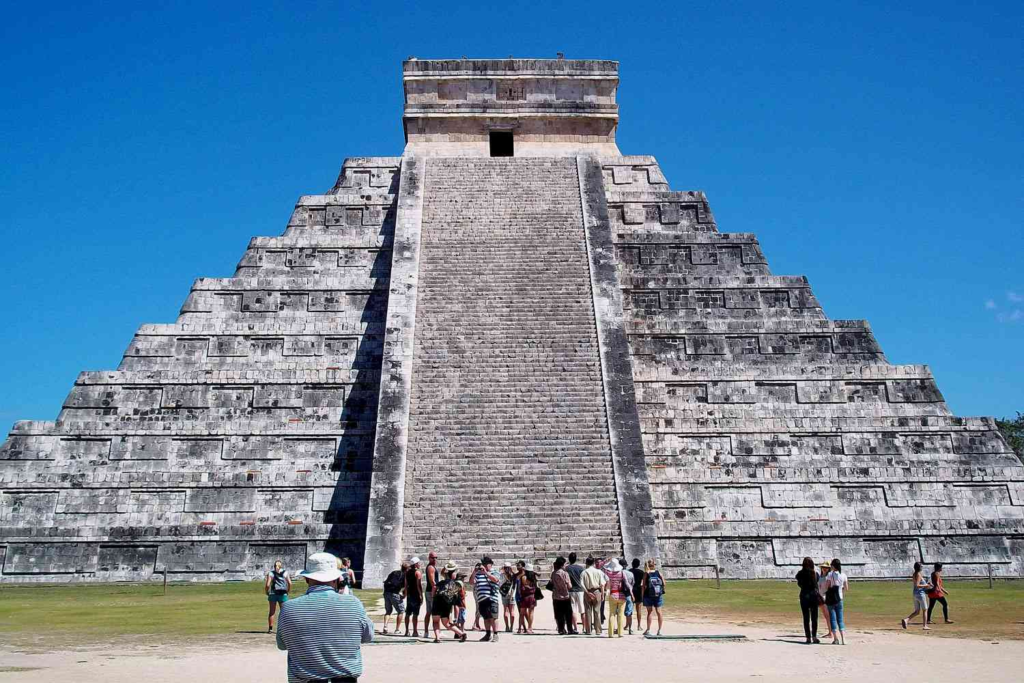
German Tourist Arrested for Climbing Temple of Kukulcan in Mexico, sparking outrage among locals and visitors alike. The incident occurred on March 20, when a German national illegally scaled the Temple of Kukulcan, also known as El Castillo, in Chichen Itza, Yucatan.
The temple, a UNESCO World Heritage site and one of the New Seven Wonders of the World, has been off-limits to climbers due to preservation efforts. The reckless act was met with immediate backlash, as onlookers shouted in protest, security intervened, and the German Tourist was eventually arrested by the Mexican National Guard.
The event highlights the ongoing challenges in protecting historical landmarks from irresponsible behavior and the consequences of violating cultural heritage laws.
A Reckless Climb and Immediate Backlash
The German tourist, whose identity has not been publicly disclosed, was caught on camera ascending the steep steps of the Temple of Kukulcan as thousands of spectators gathered to witness the spring equinox phenomenon.
The equinox is a special time at Chichen Itza, when the temple’s design creates a unique light and shadow effect, making it a popular tourist attraction.
As the man climbed, the crowd reacted with anger and disbelief. Shouts of “idiot” and “stupid” were heard, along with demands for him to come down immediately.
A security guard quickly followed him up the temple, attempting to intercept him before he reached the top. Despite the swift response, the tourist managed to reach the summit, where he was met with even louder jeers from the crowd below.
Read : Marius Borg Høiby, Son of Norway’s Crown Princess Arrested on Suspicion of Rape
Mexican authorities, including members of the National Guard, acted promptly. Upon descending, the man was taken into custody, handcuffed, and escorted away. However, his ordeal did not end there.
#ChichénItzá 🤬|| Mientras cientos de turistas y locales admiraban el fenómeno de luz y sombra que simula el descenso de Kukulcán en la pirámide conocida como El Castillo, un alemán burló la seguridad y escaló la estructura, una acción estrictamente prohibida desde 2008 por el… pic.twitter.com/XIECLKo7yB
— Primera Línea Mx (@esprimeralinea) March 21, 2025
Video footage captured locals approaching him as he was being led away, some hitting him in anger. The outrage was not just about the legal violation but also about the deep disrespect shown toward Mexico’s cultural and historical heritage.
Why Climbing the Temple is Forbidden
The Temple of Kukulcan is an ancient structure built over 1,000 years ago by the Mayan civilization. The pyramid serves as a testament to the architectural and astronomical genius of the Mayans, who designed it to align perfectly with celestial events such as the equinox. However, due to wear and tear caused by tourism, authorities banned climbing the structure to preserve it for future generations.
The decision to prohibit climbing was not just about conservation but also about safety. Before the ban, numerous accidents had occurred, with visitors losing their footing on the steep steps and sustaining injuries.
Allowing people to climb the temple posed significant risks to both the individuals attempting the ascent and the structure itself. Even slight damage to the ancient stones can have long-term consequences for preservation efforts.
According to Mexico’s Federal Law on Monuments and Archaeological Zones, anyone caught climbing the pyramid faces fines ranging from 55,760 MXN to 278,800 MXN (approximately $3,200 to $16,000), with the possibility of prison time in severe cases. This law is intended to protect cultural heritage sites from vandalism, erosion, and reckless behavior.
Unfortunately, despite clear regulations and widespread awareness campaigns, incidents like this continue to occur. Tourists who disregard these rules not only risk legal repercussions but also damage international relations and disrespect the cultural significance of these landmarks.
Public Outrage and the Need for Stricter Enforcement
This is not the first time a tourist has defied the climbing ban at Chichen Itza. Similar incidents have occurred in the past, each sparking backlash from both locals and the global community. The reaction to the German tourist’s actions underscores the frustration many feel toward visitors who ignore cultural preservation efforts.
Social media platforms were flooded with comments condemning the act. Many users called for stricter penalties for violators, including heavier fines and potential travel bans.
Others pointed out the need for increased security measures to prevent such incidents from happening in the future. The fact that the tourist was physically attacked by onlookers also sparked debate, with some arguing that vigilante justice should not replace legal proceedings.
Mexican authorities have since reaffirmed their commitment to protecting historical sites. They emphasized that violations of cultural heritage laws will not be tolerated and that increased surveillance may be implemented to deter future trespassers. Additionally, efforts are being made to educate visitors about the importance of respecting heritage sites before they even arrive in Mexico.
This case also raises broader questions about tourism and responsibility. While travel offers the opportunity to explore and appreciate different cultures, it also comes with the duty to respect local laws and traditions.
The actions of a single tourist can have a lasting impact on how an entire community perceives foreign visitors. It is crucial for travelers to educate themselves about the places they visit and act in a way that honors and preserves the cultural significance of these landmarks.
In conclusion, the arrest of the German tourist for climbing the Temple of Kukulcan serves as a stark reminder of the importance of respecting cultural heritage sites. His actions not only led to legal consequences but also provoked widespread anger and debate about how best to protect historical monuments from similar incidents in the future.
As authorities continue their efforts to enforce regulations and preserve these invaluable sites, it remains essential for visitors to act responsibly and honor the rich history of the places they choose to explore.