
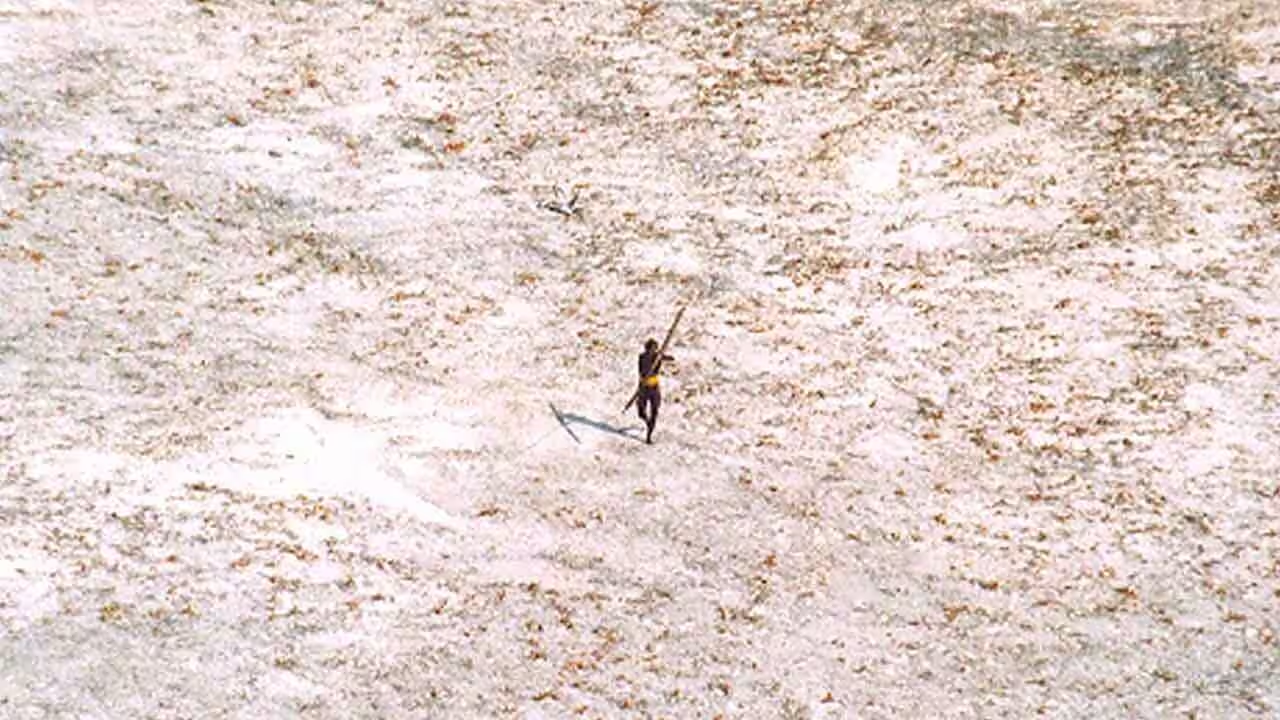
The Andaman and Nicobar Islands, a pristine archipelago in the Bay of Bengal, are home to some of the most isolated and uncontacted indigenous tribes in the world. Among them, the Sentinelese people of North Sentinel Island remain an enigma, fiercely protective of their land and resistant to any outside interaction.
Their isolation is safeguarded by the Indian government, which has declared the island off-limits to all outsiders, including both Indian and foreign nationals. However, despite these stringent restrictions, there have been instances of individuals attempting to make contact with the Sentinelese, often with grave consequences.
One such incident occurred recently when Mykhailo Viktorovych Polyakov, a US citizen, was Arrested for Entering Restricted North Sentinel Island.
His actions not only violated Indian laws but also posed a potential threat to the Sentinelese people, who have no immunity to modern diseases. The arrest has raised several questions about his motives, methods, and the broader implications of such unauthorized expeditions.
The Arrest of Mykhailo Viktorovych Polyakov
Polyakov arrived in Port Blair, the capital of the Andaman and Nicobar Islands, on March 26, 2024. From the very beginning, his visit seemed to have a clear objective—reaching the forbidden North Sentinel Island.
On the night of March 29, he launched an inflatable boat from Kurma Dera beach, carrying minimal supplies, including a coconut and a can of cola, which he intended to offer to the Sentinelese. His journey was well-planned, involving extensive research on tides, sea conditions, and navigation techniques.
Using GPS, he navigated the treacherous waters and reached the northeastern shore of North Sentinel Island by 10 am the following morning. Once near the island, Polyakov attempted to attract the attention of the Sentinelese by blowing a whistle, hoping for a response.
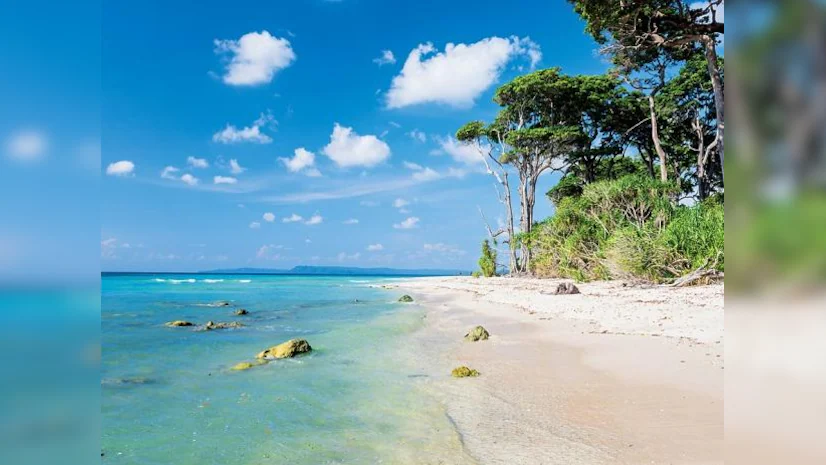
However, there was no sign of the indigenous inhabitants. After waiting offshore for about an hour, he decided to land on the island. His visit was brief, lasting approximately five minutes, during which he left the offerings, collected some sand samples, and recorded a video of his journey.
Read : Owner of the Wall Museum Alexandra Hildebrandt Gives Birth to 10th Child at 66
He then quickly retreated to his boat and began his return trip to Kurma Dera Beach, arriving by 7 pm. Local fishermen spotted him upon his return, which ultimately led to his arrest by the Crime Investigation Department (CID) on March 31.
Read : Andaman’s Onge Tribe King Totoko and Queen Priya Welcome Baby Boy: Population Reaches 136
Authorities have since launched an investigation into his activities, questioning hotel staff and analyzing his movements in the Andaman and Nicobar Islands. It was revealed that this was not his first attempt at reaching North Sentinel Island. Polyakov had previously visited the islands in October 2023, when he tried to explore routes to the island using an inflatable kayak.
He was stopped by hotel staff at the time, but this did not deter him. In January 2024, he returned and attempted to procure an outboard motor for his boat, all while conducting reconnaissance on potential routes. His persistence suggests a deep fascination with the Sentinelese and their isolated way of life.
Legal and Ethical Concerns
Polyakov’s arrest raises several legal and ethical concerns. The Indian government strictly prohibits any attempt to contact the Sentinelese, recognizing the tribe as a Particularly Vulnerable Tribal Group (PVTG). The restrictions are in place not only to protect the Sentinelese from outside interference but also to preserve their health and way of life.
As a tribe that has remained untouched by modern civilization, the Sentinelese have no immunity to common diseases, making even a brief interaction potentially deadly for them.
The incident has also sparked discussions about the motivations behind such risky endeavors. Was Polyakov merely an adventurer driven by curiosity, or did he have deeper intentions? His meticulous planning, previous visits, and collection of video footage suggest that his journey was not a spontaneous act but a well-thought-out mission.
The police have seized an inflatable boat, an outboard motor, and a GoPro camera containing footage of his landing. They are now working to determine whether he had any external affiliations or motives beyond personal interest.
This case is reminiscent of a tragic event that took place in November 2018, when American missionary John Chau illegally traveled to North Sentinel Island with the intent of spreading Christianity to the Sentinelese. Despite warnings and the historical hostility of the tribe, Chau made repeated attempts to interact with them, ultimately leading to his death.
His actions were widely condemned, as they not only violated Indian laws but also endangered the indigenous people. Polyakov’s case, while not driven by religious motives, follows a similar pattern of recklessness and disregard for the laws meant to protect both the Sentinelese and outsiders.
Implications and the Need for Stronger Enforcement
The arrest of Mykhailo Viktorovych Polyakov underscores the ongoing challenge of protecting the Sentinelese and their island. Despite clear restrictions and international awareness of the dangers associated with attempting contact, individuals continue to risk their lives and the lives of the indigenous people for personal curiosity or other reasons.
This raises questions about the adequacy of existing enforcement mechanisms and the need for stricter monitoring of unauthorized movements in the Andaman and Nicobar Islands.
Authorities are now taking measures to ensure that such incidents do not recur. The Indian government has already heightened surveillance around the island, but this case highlights the need for further action.
One potential solution is increasing awareness among travelers and adventurers about the legal and ethical implications of attempting to visit restricted tribal areas. Additionally, law enforcement agencies could strengthen patrols and impose stricter penalties to deter future violations.
The international community also has a role to play in preventing such transgressions. Foreign embassies, particularly those of countries whose citizens attempt unauthorized contact with the Sentinelese, should take proactive measures to educate their nationals about the risks and legal consequences of such actions. In this case, the US embassy was informed about Polyakov’s arrest, and it remains to be seen how they will respond.
While adventurers and explorers have always been drawn to the unknown, it is crucial to recognize that some places are meant to remain untouched. The Sentinelese have made it clear through their actions over centuries that they wish to remain isolated, and respecting their wishes is not only a legal obligation but also a moral one. The tragic fate of John Chau serves as a stark reminder of the dangers posed by such interactions.
As Polyakov remains in police custody, investigators continue to probe his background, intentions, and possible previous illegal activities in the Andaman and Nicobar Islands.
His arrest serves as yet another cautionary tale for those who may consider venturing into forbidden territories. While the lure of the unknown may be strong, the need to respect indigenous rights, cultural autonomy, and legal boundaries must take precedence.
Polyakov’s case is a stark example of how human curiosity, when unchecked, can lead to legal troubles and potential harm to others. The arrest has reignited discussions about the importance of protecting uncontacted tribes and ensuring that their right to live in isolation is upheld.
Moving forward, both national and international authorities must collaborate to prevent future incidents and reinforce the protections in place for the world’s last remaining uncontacted peoples.