

In a bizarre and concerning story coming out of Pahrump, Nevada, Karl Mitchell, a 71-year-old man, was Arrested for Keeping 7 Tigers at Home for emotional support.
Mitchell, who claimed the tigers were his emotional support animals, is now facing charges and scrutiny after violating a range of regulations concerning the ownership of exotic animals.
His case raises important questions about the ethics of keeping wild animals as pets and the legal ramifications of doing so without proper permits.
The Discovery of the Tigers
On the morning of Wednesday, April 9, 2025, the Nye County Sheriff’s Office raided Karl Mitchell’s home in Pahrump, Nevada, following years of complaints and investigations into his ownership of several tigers.
Officials had long been aware of Mitchell’s unorthodox living arrangement, where he kept the large cats on his property, and had received reports of him walking the tigers loose around his land and even taking them off the property. Social media posts and rumors about his interactions with the animals further raised alarms.
Despite his claims, Karl Mitchell did not have the necessary special conditions animal permits required by Nye County to own such exotic animals. The authorities also noted violations of other animal care and safety regulations over the years, which further contributed to their decision to take action.
Read : Bizarre! Yaan Bifengxia Wildlife Zoo is Selling Tiger Urine as Medicine
The seven tigers were seized and evaluated by a veterinarian who was present during their removal from the property. According to the sheriff’s office, a couple of the tigers appeared to be underweight, and some of their water dishes had visible algae growing in them, which raised concerns about their well-being.
Emotional Support Animals and the Law
One of the most contentious aspects of this case is Karl Mitchell’s claim that the tigers were his emotional support animals, a defense he reiterated when speaking with local media. The Americans with Disabilities Act (ADA) does allow for certain animals to be classified as emotional support animals (ESAs), which would entitle their owners to certain rights and protections, such as allowing them to bring their animals into no-pet zones like airplanes and housing facilities.
However, the ADA does not recognize tigers or any other large wild animals as eligible to be emotional support animals. The idea of using wild and dangerous animals as emotional support is, in itself, problematic, as it raises serious concerns about the safety of both the animals and the humans who interact with them.
Read : Black Panther Cub Seen Sitting with Its Leopard Mother in Rare Sighting at Pench Tiger Reserve
Karl Mitchell’s actions in allowing the tigers to roam freely around his property, sometimes even taking them out into the desert, not only posed a risk to public safety but also violated numerous wildlife regulations. Mitchell’s assertion that the public was not in danger from his tigers contradicts the basic principles of animal welfare and public safety.
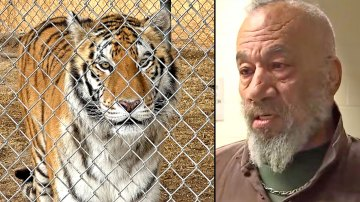
Tigers are apex predators and are inherently dangerous. Their care requires highly specialized knowledge and conditions, something that Mitchell clearly failed to provide. Keeping tigers as emotional support animals is not only impractical but also dangerous, both for the animals, who are often neglected, and for the people involved, who may be at risk of injury or worse.
The Legal Consequences and Future Implications
Karl Mitchell’s case is far from over. He was arrested and charged with resisting arrest after he initially cooperated with deputies during the raid but later refused to hand over the keys to the tiger cages.
This refusal delayed the process of securing the animals’ safety and well-being. In addition to the charges related to resisting arrest, Mitchell was found in possession of a firearm, which led to further charges of possession of a weapon by a prohibited person, given his prior felony conviction.
Karl Mitchell’s arrest highlights the growing issue of illegal and unsafe ownership of exotic animals in the United States. The seizure of the tigers and the charges against Mitchell are part of a broader effort to curb the practice of keeping dangerous wildlife in private homes without the necessary expertise or permits.
Authorities in Nye County had already been in a legal back-and-forth with Mitchell as recently as 2020, demanding that he remove animals from his property. Despite these efforts, Mitchell filed lawsuits claiming damages for interference with his private life and business.

The ongoing legal drama surrounding Karl Mitchell and his tigers is likely to lead to additional charges and legal action, especially considering the condition of the animals involved. Officials from Nye County have indicated that they may pursue further legal measures depending on the results of the investigation and the animals’ health assessments. As of now, the seven tigers have been taken to a sanctuary, where they will be cared for until further orders are made by the court.
The case also highlights the increasing challenges faced by authorities in regulating the private ownership of exotic animals. While the public may see these tigers as adorable or exotic pets, the reality is that they belong in sanctuaries or wildlife preserves where they can receive the proper care and live in environments that mimic their natural habitat.
The risks posed by private ownership of such animals have led to calls for stricter regulations and enforcement of animal welfare laws. Karl Mitchell’s arrest serves as a cautionary tale about the dangers and legal consequences of keeping wild animals as pets, particularly in cases where proper care, permits, and safety protocols are not followed.
As authorities continue to investigate his case, it remains to be seen what further charges or penalties may arise. However, the situation serves as a reminder that exotic animals, including tigers, should not be kept as emotional support animals and that their care requires specialized knowledge and conditions.
While Karl Mitchell may have believed he was helping these tigers by keeping them as emotional support animals, his actions ultimately violated laws intended to protect both the public and the animals themselves.
This case underscores the need for greater awareness of the legalities and responsibilities surrounding exotic animal ownership, as well as the importance of supporting initiatives that protect wildlife and ensure that such animals are treated with the respect and care they deserve.