
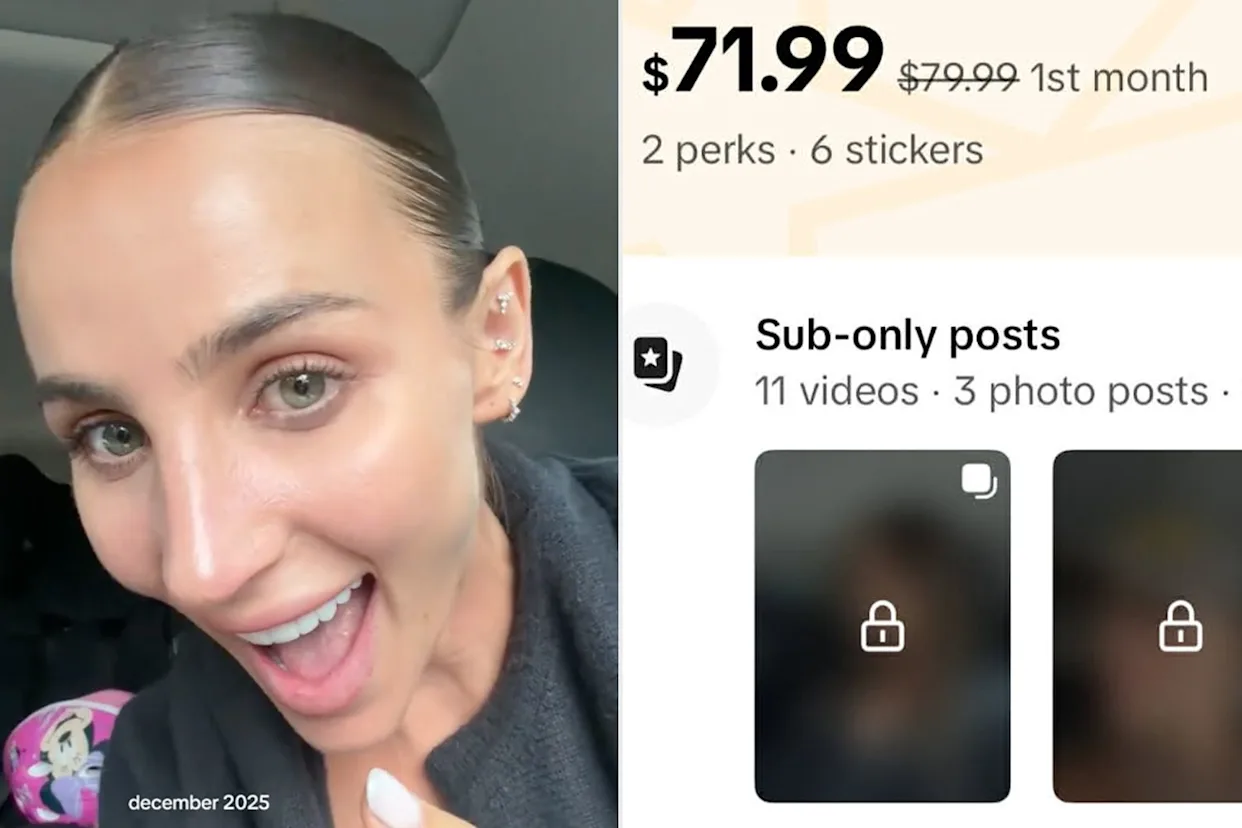
Australian influencer Indy Clinton has once again placed herself at the centre of an online debate, this time over the monetisation of her personal cosmetic surgery journey. Known for her candid presence on TikTok and Instagram, Clinton recently revealed the results of her second rhinoplasty, but not without controversy.
Instead of immediately sharing the full details with her broader audience, she chose to place the complete reveal and personal account behind a paid subscription on TikTok. The decision sparked both commercial success and public backlash, highlighting ongoing tensions between influencer transparency, audience access, and the growing trend of paywalled personal content in the creator economy.
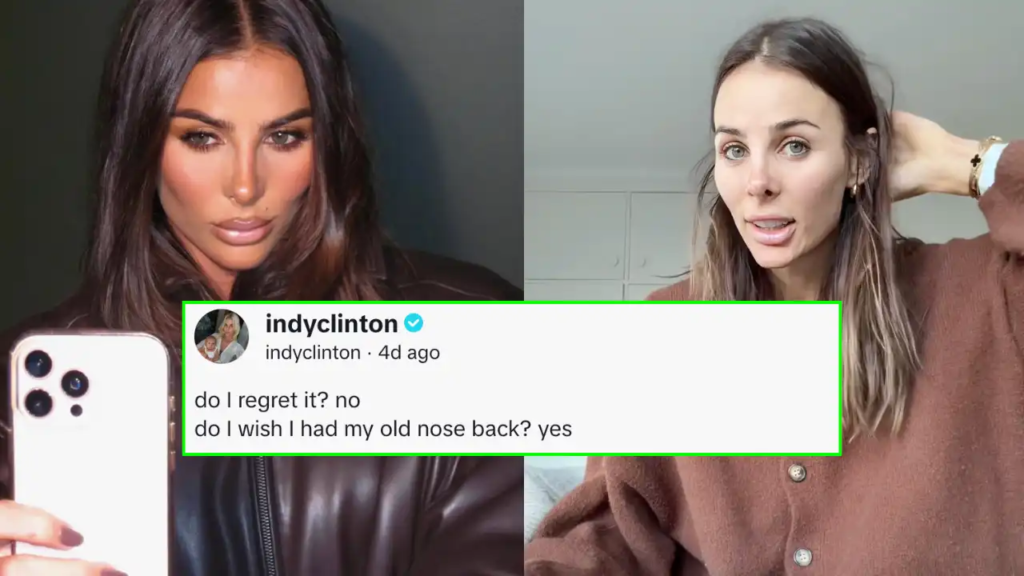
Indy Clinton’s move comes at a time when influencers are increasingly experimenting with subscription-based models to generate revenue beyond traditional brand partnerships. While such strategies are becoming more common, charging a premium for access to cosmetic surgery results touched a sensitive nerve among followers, particularly given the deeply personal nature of appearance-related content and Clinton’s prior openness about dissatisfaction with her first nose job.
Monetising a Personal Transformation Through Paid Subscriptions
In the days leading up to her public reveal, Indy Clinton directed followers to her TikTok subscription feature, where she promised a full nose reveal along with a detailed “story time” about her second rhinoplasty. According to Australian media outlet news.com.au, Indy Clinton discounted her usual monthly subscription fee from AUD 131.99 to AUD 111.99, equivalent to approximately USD 71.99. Despite the high price point, interest was strong. Reports estimate that more than 100 users subscribed specifically to view the exclusive content, generating roughly AUD 10,000 in revenue in a short period.
This commercial success underscored the financial power influencers hold when personal milestones are transformed into premium content. Indy Clinton’s approach positioned her cosmetic surgery not just as a personal update but as an exclusive product, accessible only to paying fans. For supporters, the subscription offered deeper insight and direct access to Clinton’s experience. For critics, it raised questions about ethical boundaries in influencer marketing, particularly when physical appearance and body image are involved.
The backlash was swift. Many followers expressed frustration at being asked to pay a substantial fee to see results that would typically be shared freely on social media. Others argued that placing cosmetic outcomes behind a paywall could contribute to unhealthy beauty standards by commercialising surgical results. Facing mounting criticism, Indy Clinton eventually shared a partial reveal with her general audience, allowing non-paying followers to see before-and-after footage without subscribing. However, she maintained that subscribers still received exclusive access to the full narrative surrounding the procedure.
Read : 10 Must-Know Tips for First-Time Visitors to Switzerland
Indy Clinton directly addressed the criticism in the comments, responding pointedly to remarks about fairness. When one user joked that people who paid over AUD 100 now saw the results for free, Clinton replied that subscribers received the detailed story, reinforcing the distinction between surface-level access and deeper engagement. Her response reflected a broader shift in influencer culture, where creators increasingly differentiate between free content and paid intimacy.
Public Reaction and the Emotional Narrative of a Second Rhinoplasty
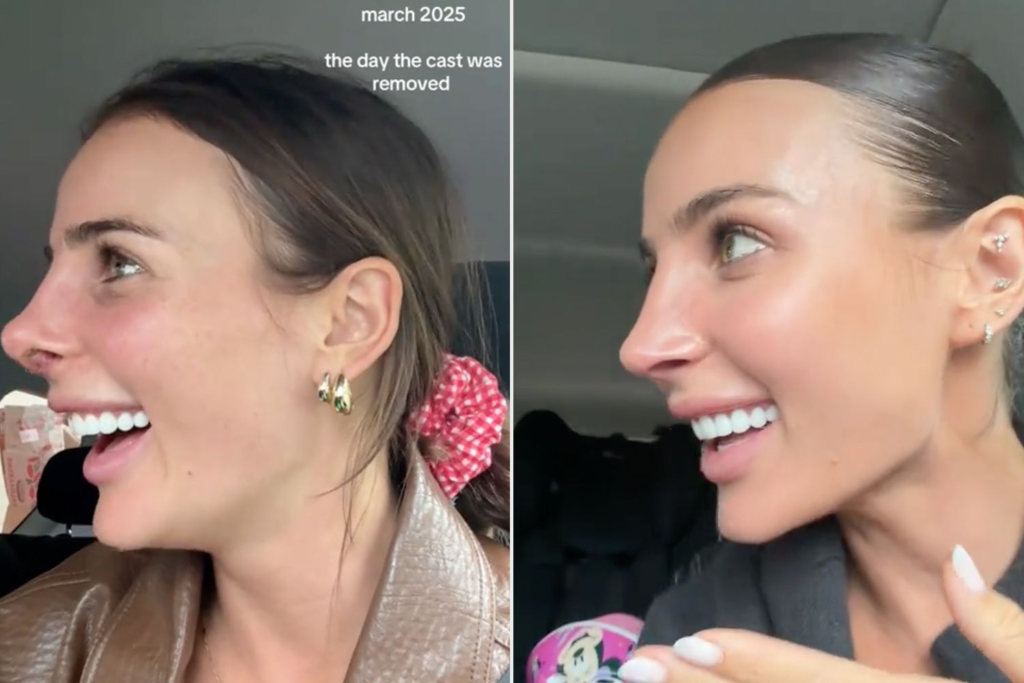
Beyond the pricing controversy, Indy Clinton’s reveal resonated emotionally with many viewers. In a video shared in late December, she stitched together footage from March 2025, when her cast from the second surgery was first removed, and more recent clips from December 2025. In the earlier footage, Clinton appeared visibly shocked by her reflection, repeatedly expressing disbelief at her appearance. The moment echoed sentiments she had previously shared about her first rhinoplasty, which she openly described as not meeting her expectations despite requesting only minor changes.
The later footage presented a striking contrast. Filmed the day after her second cast removal, Clinton appeared smiling, emotional, and visibly relieved. Her caption expressed gratitude to her surgeon, Dr George Marcells, and conveyed a sense of closure after a long and difficult process. Many followers responded positively, praising her resilience and openness about the emotional toll of cosmetic surgery revisions.
This vulnerability helped soften some of the criticism surrounding the paywall. Supportive comments highlighted the psychological challenges associated with corrective cosmetic procedures and acknowledged the courage it takes to share such experiences publicly. Clinton’s history of transparency about dissatisfaction with her first surgery added context, framing the second rhinoplasty as a corrective medical decision rather than a purely aesthetic indulgence.
However, the emotional narrative did not entirely shield her from scrutiny. Some observers argued that the staged nature of influencer storytelling, combined with monetisation, risked blurring authenticity with performance. Others pointed out that sharing intense emotional moments while simultaneously charging for fuller access could feel exploitative to audiences who had followed her journey for free over time.
The episode also reignited broader conversations about the role influencers play in shaping beauty ideals. Clinton’s large following means her choices, including undergoing multiple cosmetic procedures and publicising them extensively, carry cultural weight. While she has consistently framed her decisions as personal and has acknowledged her own struggles, critics worry that such content may normalise surgical intervention as a solution to dissatisfaction, particularly among younger viewers.
Influencer Culture, Controversy, and the Expanding Paywall Economy
Indy Clinton’s nose job reveal is not an isolated incident but part of a wider pattern within influencer culture. As platforms like TikTok introduce monetisation tools such as subscriptions, creators are increasingly encouraged to convert personal experiences into premium offerings. This shift reflects broader economic pressures in the digital content space, where algorithm changes and fluctuating brand deals push influencers to seek more predictable income streams.
Read : Who Is Anna Saparina, the Russian Influencer Who Vacuum Sealed Her Son in a Plastic Bag For Click?
Clinton herself is no stranger to controversy. Earlier in December, she drew headlines for announcing that she had decided to change her youngest daughter’s birthday because it fell too close to Christmas. The revelation sparked intense debate, with critics questioning the ethics and practicality of such a decision. Clinton defended herself by arguing that the change would benefit her child in the long term and insisted there were no genuine downsides. That episode, like the nose job paywall, demonstrated her willingness to share unconventional personal choices publicly, regardless of backlash.
Together, these incidents illustrate how Clinton’s brand is built on radical openness paired with unapologetic autonomy. She consistently asserts her right to make decisions about her body, family, and content, even when those decisions clash with public expectations. At the same time, her actions reveal the evolving dynamics between influencers and their audiences. Followers are no longer just passive consumers but active participants who feel entitled to transparency, particularly when they have invested time, attention, and emotional support.
The nose job paywall controversy highlights a key tension in modern influencer economies: the balance between monetisation and trust. While creators are entitled to profit from their labour and personal brands, audiences often expect a certain level of free access as part of the implicit social contract of social media. When that expectation is disrupted, especially around sensitive topics like physical appearance, backlash can be swift and intense.
For Clinton, the episode ultimately reinforced her visibility rather than diminishing it. The debate drove engagement, increased subscriptions, and kept her at the centre of online discussion. Whether viewed as savvy entrepreneurship or misplaced prioritisation of profit, her decision reflects the realities of a digital landscape where personal lives are both content and currency.
As influencer platforms continue to evolve, similar controversies are likely to become more common. Indy Clinton’s experience serves as a case study in how creators navigate the fine line between sharing personal journeys and selling them, and how audiences respond when that line feels uncomfortably crossed.
Jilifishslot is my go-to when I’m lookin’ for a quick slots fix. The fish games are super addictive, and they’re a great way to unwind after a long day. Give it a try, you might find yourself hooked! Check out jilifishslot and catch some wins.
**mitolyn official**
Mitolyn is a carefully developed, plant-based formula created to help support metabolic efficiency and encourage healthy, lasting weight management.