
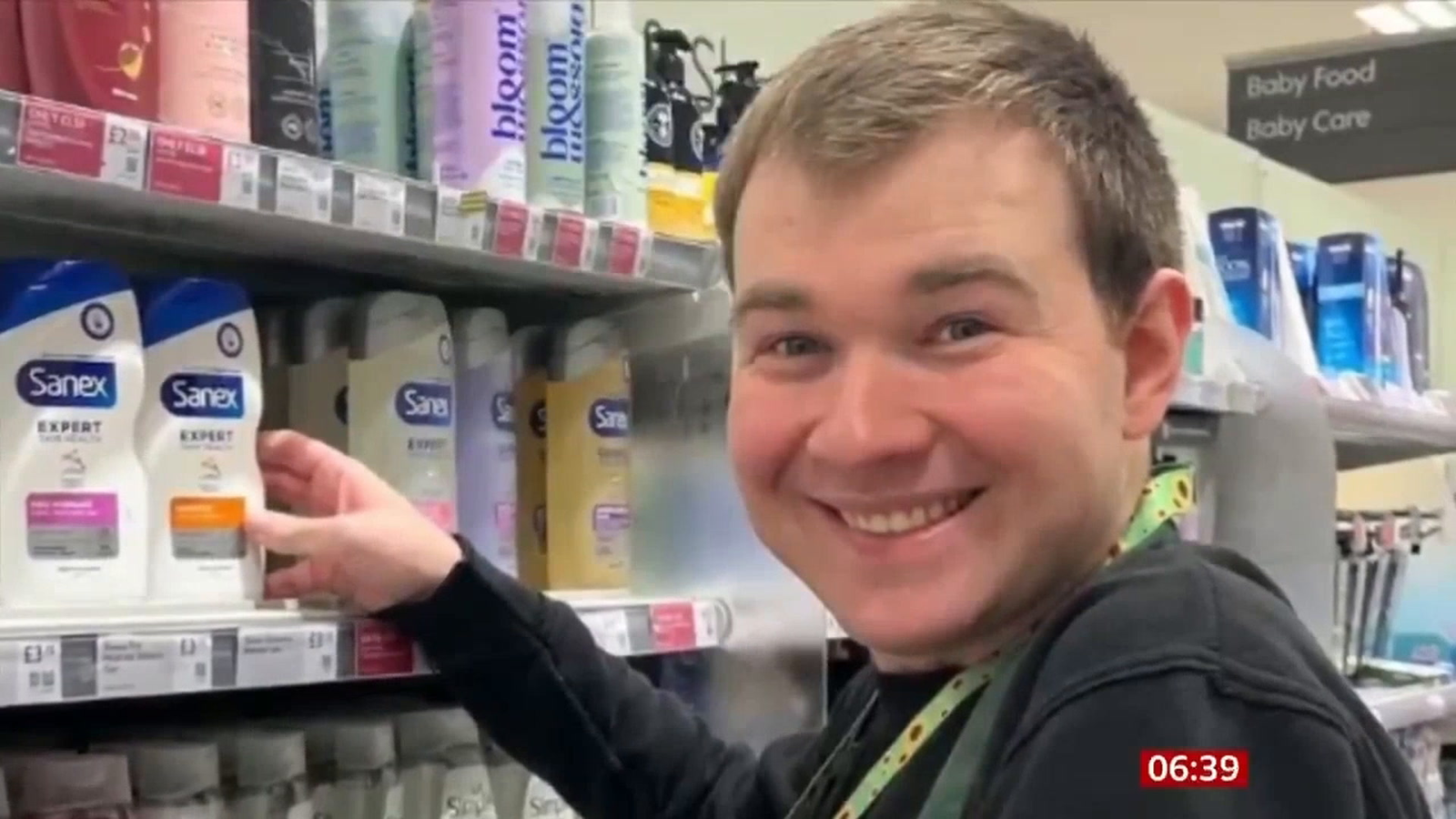
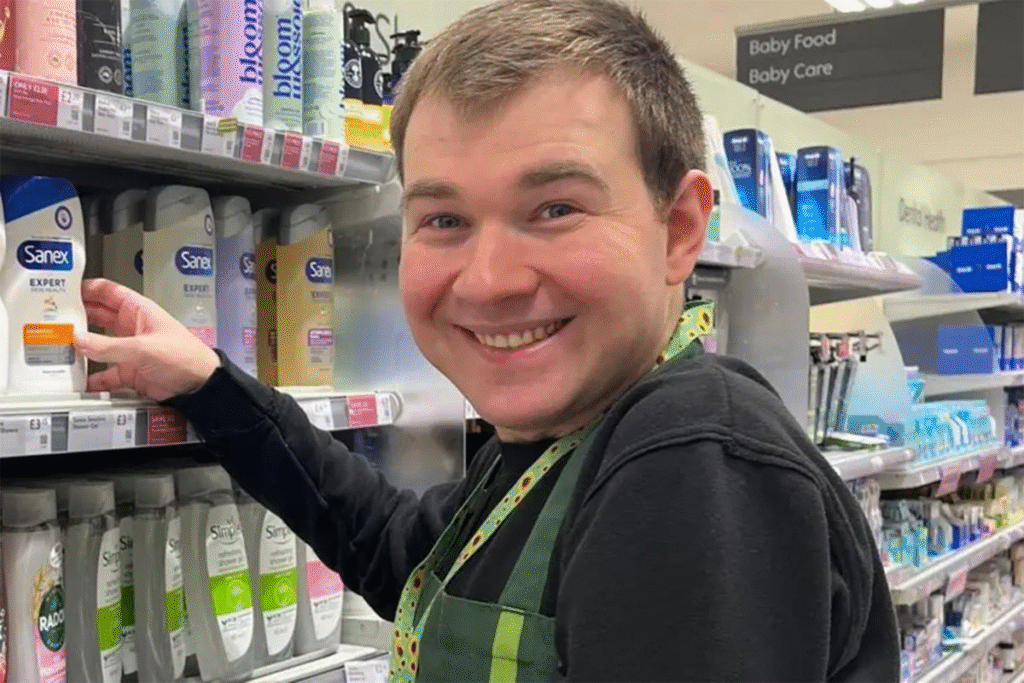
For more than four years, 28-year-old Tom Boyd from Cheadle Hulme, Greater Manchester, found joy and a sense of belonging working as a volunteer at his local Waitrose store. Diagnosed with autism, Tom’s time at the supermarket wasn’t just a way to pass the hours — it gave him structure, confidence, and an identity rooted in contributing meaningfully to his community.
However, what began as a heartwarming story of inclusion took an unexpected turn when his mother, Frances Boyd, enquired whether Tom could be paid for a few of the hours he spent helping at the store. The request led to Tom being let go from his volunteer role — an act that sparked public outrage and brought renewed attention to the treatment of disabled workers.
This week, the story took a more positive turn. After widespread coverage and sympathy from the public, Tom received a job offer from rival supermarket chain Asda, which not only recognized his commitment but also welcomed him into its Supported Internship Programme — a move widely praised for its compassion and inclusivity.
A Sense of Purpose Lost and Found
Tom Boyd’s journey began in 2021 when he started volunteering at Waitrose as part of his further education course. The placement, originally meant to help him build skills and confidence, soon became an integral part of his life. Every week, Tom spent two mornings at the store, assisting with tasks such as stocking shelves, tidying displays, and helping customers. His mother described how proud he felt of his role, often smiling as he worked and sharing stories about his day.
“It gave him independence, a sense of purpose and belonging,” Frances Boyd told the BBC. “He gave over 600 hours of his time purely because he wanted to belong, contribute, and make a difference.”
For individuals on the autism spectrum, meaningful employment or structured volunteering can be transformative. It offers routine, social connection, and the dignity that comes with being valued for one’s contributions. In Tom’s case, his work at Waitrose represented much more than unpaid labor — it was a lifeline to inclusion.
However, Frances began to feel that her son’s dedication merited at least some financial recognition. After all, he had proven his commitment and reliability for more than four years. Hoping to secure him “just a few hours of paid work,” she approached the store to discuss the possibility of transitioning Tom into a part-time employee. To her surprise, the response she received was not encouragement but termination of Tom’s volunteer placement.
The mother of an autistic man who was told he had to stop stacking shelves at a Waitrose store where he had worked as a volunteer for years has said he "deserved better".
— BBC Breakfast (@BBCBreakfast) October 22, 2025
Frances Boyd said her son Tom began work experience in 2021 as it gave him 'a sense of purpose' but when she… pic.twitter.com/pZxylgytCd
According to Frances, Waitrose informed her that Tom could not perform “the whole role,” which was cited as the reason for ending his placement. The sudden decision devastated the family. “We were left feeling deeply let down,” she said. “Tom loved his time there, and it gave him such pride. To lose it this way was heartbreaking.”
Asda’s Offer Brings Hope and Recognition
Amid the disappointment, support began to pour in from the public after the story was reported by major media outlets. Many expressed outrage that Tom had been dismissed simply for asking to be compensated for his time. The situation prompted discussions about inclusivity in workplaces, the boundaries of volunteer programs, and the rights of individuals with disabilities who seek fair treatment.
But what happened next gave the story a more hopeful turn. Within days, rival supermarket chain Asda reached out to offer Tom paid employment at one of their local stores. Through their partnership with DFN Project SEARCH — an organization dedicated to helping young people with learning disabilities and autism find sustainable jobs — Asda invited Tom to join their Supported Internship Programme.
“We’ve had some great news – Asda have offered him two five-hour paid shifts a week,” Frances told the BBC. “It’s overwhelming and they are flexible to say if at any time he is struggling, they are fine. How amazing that a company could do this.”
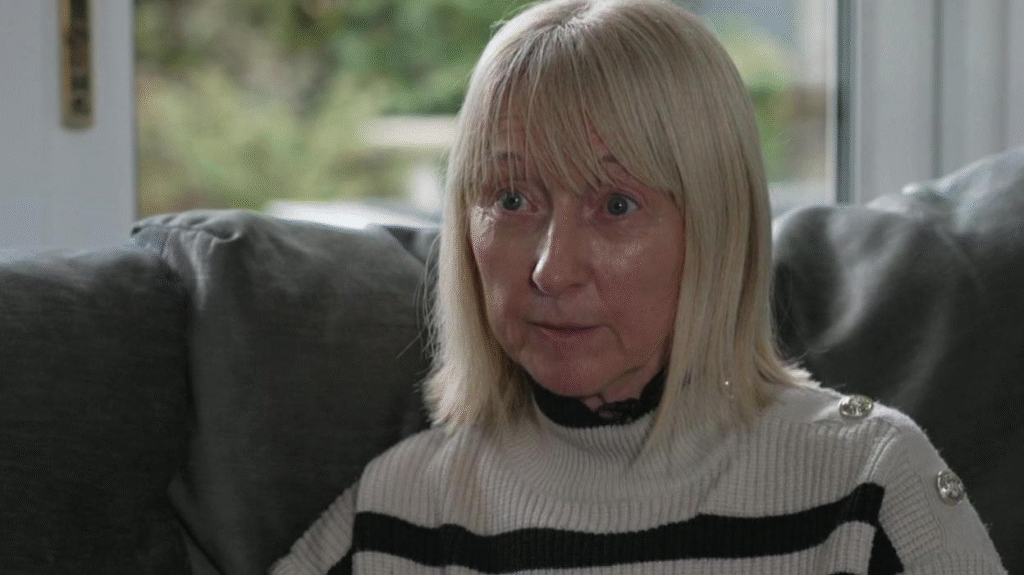
An Asda spokesperson confirmed that Tom’s employment offer was part of a broader commitment to inclusion within their workforce. “We have seen the positive impact this has for the individuals who join and for our colleagues and customers too,” they said. “So, when we heard about Tom and his desire to find meaningful work, we knew he’d be a fantastic fit, and we are delighted to offer him a role at his local store.”
Asda’s Supported Internship Programme is designed to provide structured employment opportunities for people with additional needs. Participants receive individualized support and training to help them adapt to the workplace, develop new skills, and gain confidence in a real job environment. The programme has already seen success stories, with around 30 people finding employment across Asda stores nationwide.
For Tom, this offer represents not only a job but also a renewed sense of worth and appreciation. It demonstrates what can happen when a company recognizes ability over limitation — and acts with empathy rather than bureaucracy.
Waitrose Responds Amid Backlash
Following the backlash and the media coverage of Tom’s dismissal, Waitrose issued a statement acknowledging the situation and pledging to investigate. The supermarket expressed regret over how the matter had unfolded and announced it would like to offer Tom a paid position.
A Waitrose spokesperson told Mail Online: “As those familiar with Waitrose will know, we care deeply about helping people into the workplace who might otherwise not be given a chance. We warmly welcomed Tom and his support worker into our Cheadle Hulme branch to gain experience and build his confidence. We have policies in place to support volunteering, and are investigating what’s happened in Tom’s situation. We’d like to welcome Tom back, in paid employment, and are seeking support from his family and the charity to do so. We hope to see him back with us very soon.”
The supermarket added that Tom’s case was being treated “as a priority,” suggesting that internal miscommunication or policy inconsistencies may have contributed to the issue.

While the offer to reinstate Tom was welcomed by some, many members of the public criticized the company for acting only after the story went viral. The perception that a vulnerable individual had been let go for simply seeking modest pay struck a chord with many, leading to widespread calls for greater corporate accountability and compassion toward neurodivergent workers.
For Frances Boyd, the experience has been both painful and illuminating. While she expressed gratitude that Waitrose ultimately offered to rectify the situation, she also highlighted the emotional toll it had taken on her son. “Tom was so proud of his work there,” she said. “He thought of himself as part of the team. It’s been really hard for him to understand why it suddenly stopped.”
Nevertheless, she praised Asda’s response and their willingness to adapt to Tom’s needs. “They’ve been amazing. It’s not just about giving him a job — it’s about understanding him as a person,” she said.
A Wider Conversation on Disability, Inclusion, and Work
Tom Boyd’s story has resonated beyond the immediate circumstances, sparking a broader conversation about how society values individuals with disabilities in the workplace. Many advocates for neurodiversity employment point out that stories like Tom’s are not rare. People with autism and learning disabilities often face systemic barriers when seeking paid work, even when they demonstrate dedication and capability.
According to the UK’s Office for National Statistics, only around 30% of adults with autism are in full-time employment — one of the lowest rates among disabled groups. Those who do find opportunities often face precarious or unpaid roles that offer little progression. Advocacy groups argue that more inclusive policies, better training for employers, and supportive work environments could significantly improve these outcomes.
In this context, Asda’s swift and positive response has been seen as a model of good practice. By focusing on what individuals can do, rather than what they cannot, the company’s Supported Internship Programme highlights how structured inclusion can enrich not only the lives of employees like Tom but also the workplaces that welcome them.
For Waitrose, the incident serves as a reminder of the importance of sensitivity, communication, and proactive inclusion policies. The company’s decision to review the case and offer Tom a paid role may reflect a growing awareness of the need to handle such situations with greater care. However, the public reaction underscores how vital it is for large employers to ensure that goodwill gestures are not overshadowed by procedural rigidity.
Tom’s experience encapsulates both the fragility and resilience of inclusion efforts in the modern workplace. His initial dismissal illustrated how easily well-intentioned volunteer programs can falter when human understanding is replaced by red tape. Yet his new opportunity with Asda demonstrates how compassion and flexibility can turn disappointment into empowerment.
As Tom begins his new chapter, supported by a company that values his contribution and is prepared to accommodate his needs, his story stands as both a cautionary tale and an inspiring example. It reminds employers across all sectors that inclusion is not just about offering opportunities — it’s about ensuring those opportunities translate into dignity, fairness, and belonging for everyone.
In the end, what Tom Boyd wanted was simple: to be recognized for his work and treated with the same respect as anyone else. His journey from volunteer to employee — from exclusion to empowerment — now shines a light on what true inclusion can look like when empathy leads the way.