
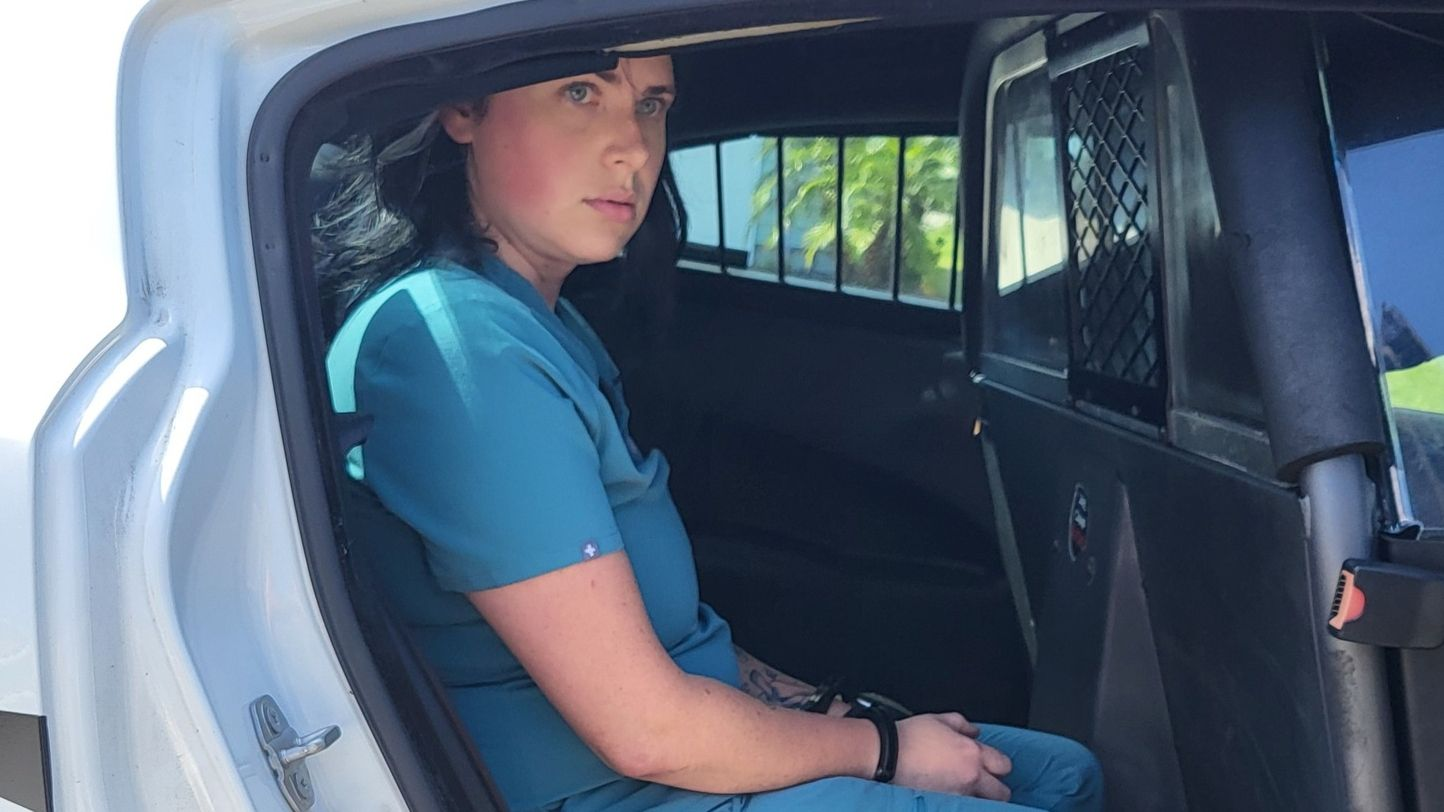
In a case that has sent shockwaves through Florida’s medical community and raised serious concerns about healthcare oversight, a 29-year-old woman named Autumn Bardisa was arrested after a seven-month investigation revealed she had impersonated a registered nurse and treated thousands of patients at a hospital without a valid medical license. Her arrest has triggered a wider conversation about healthcare safety, administrative negligence, and the serious consequences of medical fraud.
A Shocking Discovery Inside the Hospital
Autumn Bardisa’s alleged impersonation came to light in January 2025 when AdventHealth Palm Coast Parkway, a hospital in Flagler County, Florida, conducted a routine review of her credentials as part of a promotion process for a charge-nurse position. Until that point, Bardisa had been working at the hospital since July 2023 in the role of an advanced nurse technician. This title typically involves performing technical and basic nursing tasks under the close supervision of a licensed registered nurse.
However, upon closer inspection of Bardisa’s credentials, the hospital discovered that her license information did not check out. She was found to hold only an expired Certified Nursing Assistant (CNA) license, not a valid Registered Nurse (RN) license as she had claimed. Alarm bells went off immediately, prompting the hospital administration to initiate an internal investigation that quickly unraveled a much larger problem.
According to officials, Autumn Bardisa had claimed during her hiring process that she was an “education-first” RN—meaning she had completed all required nursing coursework and only needed to pass the licensing examination. She went on to say that she had already passed the exam and even provided a license number to support her claim.
Read : Maria Fernanda Rojaz Ortiz Killed in Plane Crash on Her First Day as a Flight Nurse
However, this license number, though linked to a nurse with her same first name, did not match her actual last name. Autumn Bardisa reportedly explained this discrepancy by claiming she had recently married and changed her surname. When asked to provide a marriage certificate to verify the change, she failed to produce one.
NEW: Florida woman arrested for allegedly posing as a nurse and treating 4,486 patients despite never actually having a real license.
— Collin Rugg (@CollinRugg) August 7, 2025
29-year-old Autumn Bardisa was arrested by Flagler County police for practicing as a nurse without a valid license.
Bardisa worked at… pic.twitter.com/o3n2kVUeC6
Digging deeper, investigators discovered that Bardisa shared a first name and had graduated from the same nursing school as a real nurse working at another AdventHealth facility. However, the two women were not acquainted, and the real nurse was unaware that her identity was being misused. This eerie overlap between names and education institutions may have helped Bardisa elude suspicion for several months, but ultimately it became clear that her deception ran deep.
The Scope of the Fraud and Its Consequences
Once the fraudulent credentials were discovered, law enforcement and hospital officials collaborated on a thorough investigation to determine just how many patients Autumn Bardisa had treated during her time at the facility. The numbers were staggering.
From June 2024 to January 2025, Autumn Bardisa allegedly treated approximately 4,486 patients while posing as a registered nurse. She was not only performing tasks beyond the scope of her CNA license but also accepting payment for services rendered during this period.
The charges against her are severe. Bardisa now faces seven felony counts of practicing a healthcare profession without a license and seven counts of fraudulent use of personal identification. These charges correspond to the seven months she is accused of impersonating a licensed medical professional. She was arrested at her home in Palm Coast, Florida, on Wednesday and is currently being held at the Flagler County Jail on a $70,000 bond.
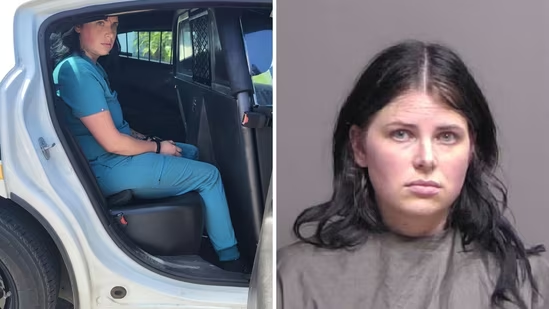
Sheriff Rick Staly of Flagler County issued a strong statement in response to the arrest. “This is one of the most disturbing cases of medical fraud we’ve ever investigated,” he said. “This woman potentially put thousands of lives at risk by pretending to be someone she was not and violating the trust of patients, their families, AdventHealth, and an entire medical community.”
Patients and their families are now left to wonder whether they received the appropriate care during Bardisa’s time at the hospital. While there have been no reports of serious injuries or deaths directly linked to her actions as of yet, the psychological and emotional toll on those affected cannot be overstated. For many, the trust they placed in their healthcare providers has been deeply shaken.
The case has also raised questions about the hospital’s hiring and verification processes. How did someone with an expired CNA license manage to work in a nursing capacity for so long without being caught? Was there a lapse in background checks or credential verification? AdventHealth has yet to release a detailed statement addressing these procedural failures, but they have confirmed that Bardisa’s employment was terminated as soon as her deception was uncovered.
A Wake-Up Call for the Healthcare Industry
The arrest of Autumn Bardisa serves as a sobering reminder that even in well-regarded institutions, vulnerabilities exist that can be exploited by individuals with dishonest intentions. The fact that someone without proper qualifications was able to treat thousands of patients undetected for seven months highlights systemic issues that need urgent attention.
Credential verification is a fundamental aspect of hospital administration. In an industry where lives are at stake, there can be no room for error. The Bardisa case exposes potential gaps in these procedures and underscores the need for a more rigorous and centralized system of license verification that can be quickly and easily accessed by healthcare institutions.
Healthcare fraud is not a new phenomenon. Across the United States, there have been numerous cases of individuals faking medical credentials, posing as doctors or nurses, and putting lives at risk. However, what sets the Bardisa case apart is the sheer scale and duration of the fraud.
Treating nearly 4,500 patients over a seven-month span indicates that Bardisa was deeply embedded in the daily functioning of the hospital. Her duties likely included administering medications, assisting in procedures, and possibly even making patient care decisions—all without the proper training or oversight.

Another pressing concern is how this case impacts real nurses and healthcare professionals. The profession is built on trust, education, and ethical responsibility. Instances of fraud like this cast a shadow over the hard work and dedication of legitimate practitioners, and they erode public confidence in medical institutions.
It also calls attention to the psychological profile of individuals who perpetrate such fraud. What motivates someone to lie about their qualifications and willingly assume a role that directly impacts the health and safety of others? Some experts suggest that imposters like Bardisa may be driven by a combination of narcissism, desperation for social or financial gain, and a deep-seated need for validation. Others believe that such individuals often start with minor deceptions and gradually escalate as they manage to evade detection.
In the aftermath of this scandal, AdventHealth and other healthcare institutions across the country are likely to review and strengthen their employment screening protocols. There may also be calls for legislative reforms that impose stricter penalties for medical fraud and increase the frequency of random license audits in hospitals and clinics.
Meanwhile, Bardisa’s legal journey is just beginning. If convicted on all counts, she could face a lengthy prison sentence and be held liable for financial damages stemming from her fraudulent activity. Her case may also serve as precedent for future incidents of healthcare impersonation.
For patients and healthcare workers in Florida and beyond, this incident is a chilling wake-up call. It reaffirms the need for vigilance, transparency, and robust verification systems within all levels of the medical field. Trust, once broken, is difficult to repair—but by learning from this case, institutions may take the necessary steps to prevent such a dangerous breach from ever happening again.