
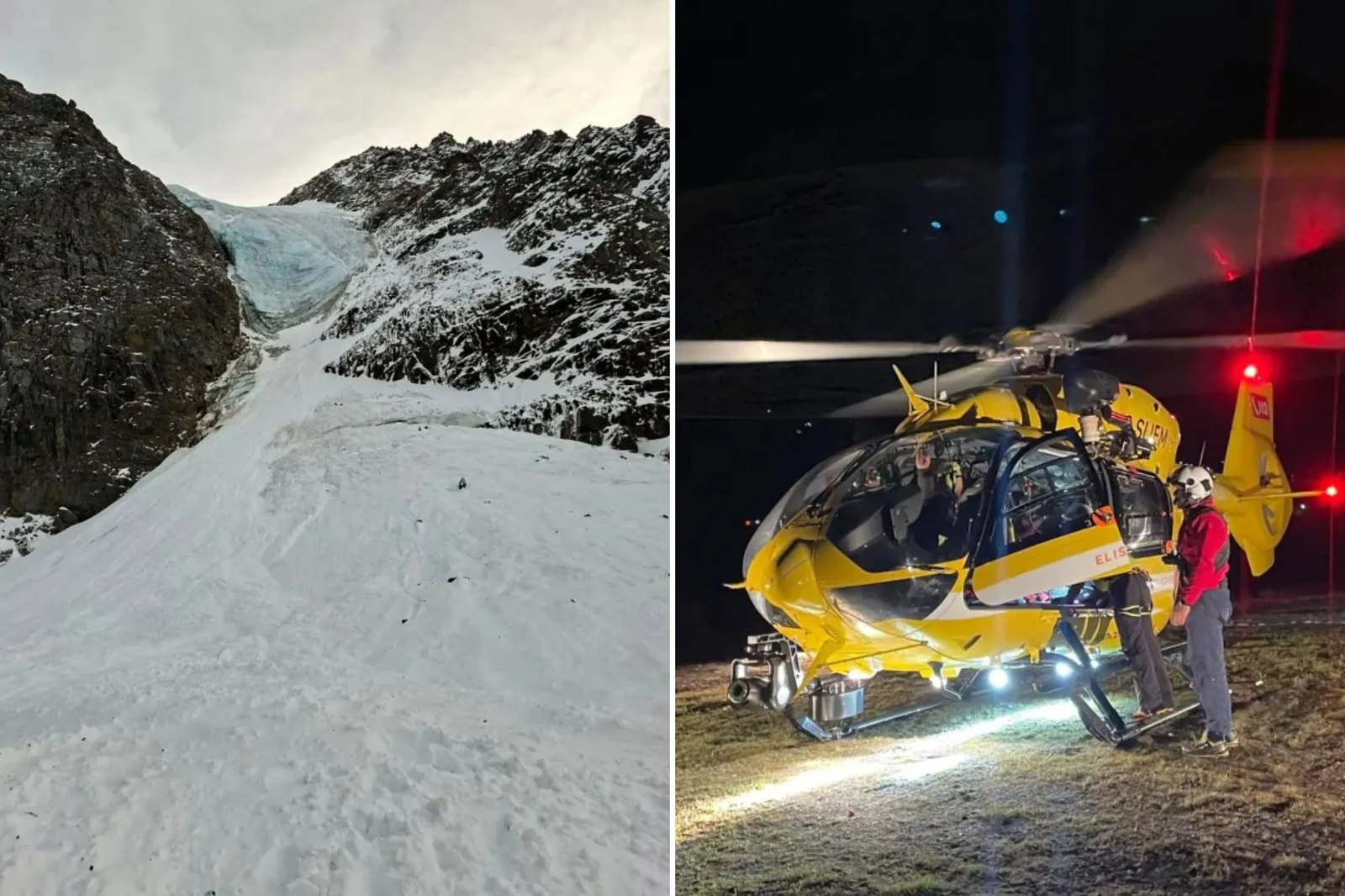
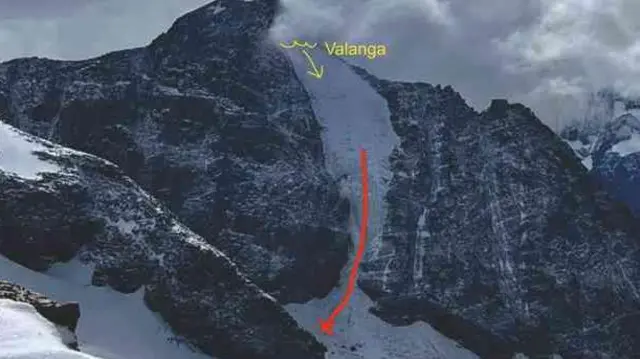
A tragic Avalanche in Italy’s South Tyrol Province claimed the lives of five German mountaineers, including a father and his 17-year-old daughter, sending shockwaves through both Italy’s Alpine community and Germany’s mountaineering circles. The victims were part of a group climbing near the Cima Vertana peak in the Ortles mountain range when the deadly snow slide struck on Saturday afternoon.
Authorities have described the event as one of the most devastating accidents in the area this season, reigniting concern over safety in the Alps and the increasing unpredictability of mountain weather patterns. The victims, all from Germany, were climbing at an altitude of over 3,500 meters when the avalanche hit around 4 p.m., burying them under tons of snow and ice. Rescuers faced difficult conditions overnight, hampered by worsening weather and unstable snow.
Three of the victims—two men and one woman—were found dead on Saturday evening, while the bodies of the remaining two, a man and his teenage daughter, were discovered the following morning in the lower part of the gully where the avalanche occurred. The pair had been swept hundreds of meters downhill by the force of the slide. According to Federico Catania, spokesman for the Alpine rescue service, “They had been dragged to the lower part of the gully where the avalanche occurred. Rescue teams are now returning to the valley, also considering the worsening weather conditions at high altitude.”
Two other climbers survived the disaster and were airlifted to a hospital in Bolzano, where they are being treated for injuries and shock. The victims’ names have not been publicly released pending notification of relatives, but authorities confirmed that all five were German nationals engaged in mountaineering excursions across the Ortles region.
Avalanche in Italy’s South Tyrol Province
The accident occurred near Cima Vertana, one of the peaks within the Ortles massif, known for its challenging routes and unpredictable snow conditions. At over 3,500 meters, the climbers were likely approaching the upper section of their ascent when the avalanche released. Experts have questioned why the mountaineers were still ascending at 4 p.m., a relatively late hour for such climbs, especially given the risk of afternoon temperature fluctuations that can destabilize snowpacks.
According to preliminary reports, the climbers were not all part of a single organized expedition but rather three separate groups that happened to converge in the same area. The avalanche struck suddenly, leaving little time for anyone to react. It is believed that heavy recent snowfall followed by warming temperatures may have created an unstable snow layer, triggering the collapse.
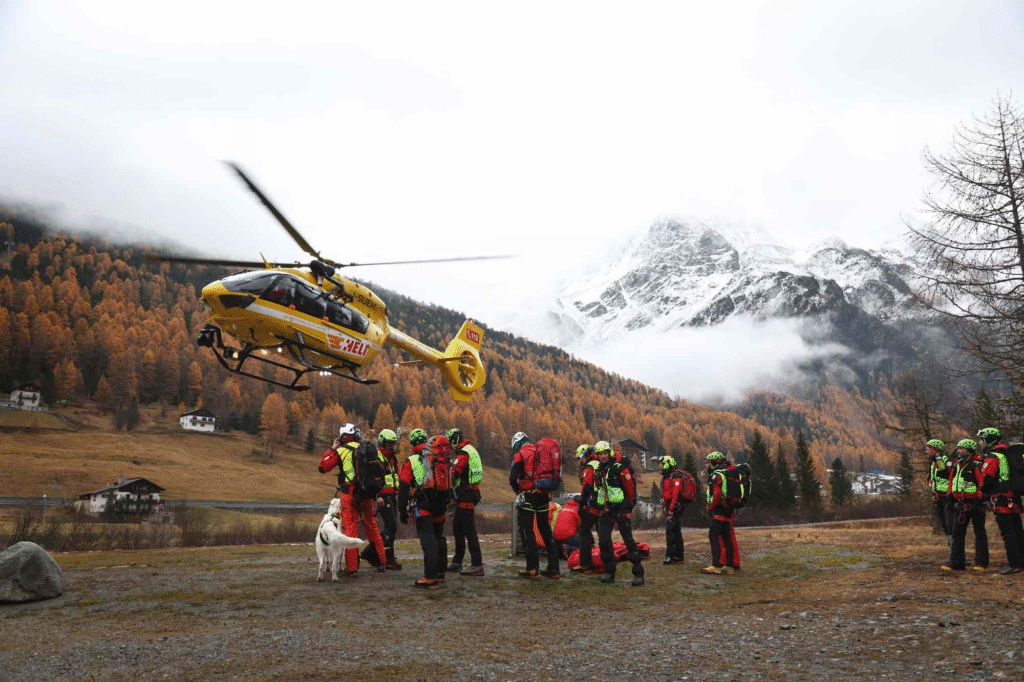
Helicopters from Italy’s Alpine rescue corps were immediately dispatched once reports of the missing climbers came in, but poor visibility and strong winds delayed the recovery efforts. When rescuers finally reached the site, they found three victims lifeless under the snow, while two others were still unaccounted for until the next morning. Drones, avalanche dogs, and specialized radar equipment were used to locate the remaining bodies, which were discovered in the early hours of Sunday.
Read : Austrian Base Jumper Felix Baumgartner Dies While Paragliding in Italy
South Tyrol Governor Arno Kompatscher expressed his condolences to the victims’ families, saying that “this tragic accident reminds us once again how fragile life in the mountains can be, and how quickly nature can turn from breathtakingly beautiful to deadly.” The governor praised the tireless efforts of the rescue teams, who worked through harsh conditions to recover the bodies and secure the area against further risk.
Read : Pompeii and Beyond: Journeying through Italy’s Ancient Ruins
The Ortles massif, which includes some of the most iconic peaks in northern Italy, attracts thousands of climbers every year. However, it is also one of the most dangerous mountain regions in the Alps, where shifting weather, glacier instability, and sudden avalanches are persistent threats even to experienced mountaineers.
Rising Avalanche Risks and the Changing Face of Alpine Safety
Avalanche accidents have long been a grim reality of life and recreation in the Italian Alps, but in recent years, experts have observed a troubling increase in incidents linked to climate change and shifting snow conditions. Italy ranks among the European countries with the highest 10-year average of avalanche-related deaths, particularly in regions like South Tyrol and Aosta Valley, where skiing and mountaineering are deeply ingrained in local culture.
Meteorologists and Alpine experts note that unpredictable temperature swings and frequent freeze-thaw cycles have made snowpacks less stable than in the past. Warmer winters often bring heavier snowfalls followed by sudden warming, creating layers of weakly bonded snow that can easily give way under the weight of climbers or skiers. In the Ortles range, where steep slopes and glaciers dominate the terrain, these factors combine to produce particularly hazardous conditions.
Federico Catania, speaking to local media, emphasized that even experienced climbers must adapt to rapidly changing conditions. “The mountain environment is evolving due to climate change. Snow behavior is less predictable, and traditional indicators of stability are no longer reliable. Climbers must exercise even greater caution and avoid late-day ascents when the snow is softening.”
This latest tragedy adds to a string of fatal avalanches in the Italian Alps in recent years. In 2023, eleven people were killed when a massive ice and snow collapse occurred on the Marmolada glacier, the country’s highest in the Dolomites. That disaster, too, involved warmer-than-average temperatures and unstable ice formations. While the current incident in South Tyrol appears to have been triggered by natural causes, authorities warn that human factors—such as poor timing, route choice, and underestimation of risk—often play a role in worsening outcomes.
The Italian National Alpine and Speleological Rescue Corps continues to issue frequent advisories urging climbers to check weather and snow conditions before embarking on high-altitude routes. In this case, experts will analyze meteorological data and terrain features to determine the precise cause of the avalanche. Early indications suggest that a slab avalanche, likely caused by a weak snow layer beneath a denser crust, may have detached and rushed down the slope, engulfing the mountaineers.
As more people seek adventure and solitude in backcountry areas—particularly after fresh snowfall—the likelihood of encountering unstable terrain rises. Analysts suggest that the growth of social media-driven outdoor tourism has also contributed to the problem, with climbers and skiers often attempting routes beyond their skill levels or ignoring safety recommendations.
A Community in Mourning and a Warning for the Future
The small Alpine towns of South Tyrol, as well as the broader German mountaineering community, have been deeply shaken by the loss. While the victims’ identities have not been officially confirmed, German media reports suggest they were experienced climbers from Bavaria and Baden-Württemberg who had frequently visited Italy’s mountain regions. Local authorities in Bolzano and the German Alpine Club have both expressed grief and solidarity, with memorials expected to be held later this week.
For the families of the victims, especially the relatives of the father and daughter found together, the tragedy has a particularly poignant resonance. Their story has captured public attention as a heartbreaking example of how quickly a shared passion for the mountains can turn fatal. The two had reportedly embarked on their climb as part of a holiday trip, hoping to summit one of the region’s most scenic peaks before returning home.
“Every year, we are reminded that the mountains demand respect and humility,” said Andreas Lutz, a veteran Alpine guide in South Tyrol. “Even with the best equipment, knowledge, and experience, we are still guests in a powerful and unpredictable environment. This accident is a painful reminder that the margin for error at high altitude is very small.”
Read : Chinese Hacker Zewei Xu Who Stole COVID Data from Top US Universities Arrested in Italy
Authorities are urging caution as the winter season approaches. Fresh snowfalls combined with fluctuating temperatures are expected to heighten avalanche risks in the coming weeks. Mountain rescue teams across the Alps have been placed on heightened alert, particularly in regions popular with early-season skiers and climbers.
South Tyrol remains one of the most popular destinations for German tourists, known for its pristine landscapes, bilingual culture, and access to some of Europe’s most scenic summits. Yet, behind the postcard beauty lies a region that constantly battles the forces of nature. Over the past decade, dozens of climbers and skiers have lost their lives in avalanches across this area, prompting ongoing debates about whether more restrictions or real-time monitoring systems are needed for high-risk routes.
The Ortles mountain, the highest peak in South Tyrol at 3,905 meters, stands as both a symbol of natural grandeur and an enduring challenge for climbers. For generations, it has drawn mountaineers from across Europe, offering technical climbs and breathtaking vistas. But with climate instability and heavier snowfall patterns, its slopes have grown increasingly treacherous. The recent accident near Cima Vertana serves as a grim reminder of that danger.
In Bolzano, as helicopters returned from the mountains carrying the victims’ bodies, local residents gathered to pay silent tribute to those who lost their lives pursuing their passion. Many laid flowers outside the Alpine Rescue headquarters, a gesture of respect for both the fallen climbers and the rescuers who risked their lives in the recovery operation.
The Italian Alpine Club has called for a renewed focus on avalanche education, advocating for improved early-warning systems and wider use of personal transceivers, shovels, and probes among recreational climbers. While such equipment cannot prevent avalanches, it can dramatically improve survival rates if used correctly and quickly.
In the end, the tragedy in South Tyrol stands as a somber intersection of human ambition and natural unpredictability. The deaths of five German mountaineers—bound together by their love for the mountains and claimed by their power—underscore the fragility of life at high altitude. As Europe’s alpine regions continue to grapple with shifting weather patterns and increasing mountain tourism, the lessons from this avalanche will weigh heavily on the minds of those who continue to climb, ski, and explore the world’s frozen frontiers.