
A sudden avalanche in the high-altitude terrain of northern Italy has once again highlighted the unpredictable and often dangerous nature of alpine environments. What began as a routine descent for a group of skiers quickly turned into a life-threatening emergency when a massive wall of snow broke loose and swept through the slopes of Hohe Ferse. The incident, which occurred around midday on March 21, involved 25 skiers navigating the rugged expanse of Val Ridanna, a remote alpine valley known for its scenic beauty and challenging terrain. Within moments, the tranquility of the mountains gave way to chaos, as several individuals were buried under snow while others scrambled for safety.
Rescue teams were rapidly mobilized following emergency alerts, triggering a large-scale operation involving helicopters, mountain rescue specialists, firefighters, and law enforcement personnel. Despite the swift response, the avalanche claimed two lives, while five others were left injured, three of them seriously. The event has drawn attention not only due to its immediate human toll but also because it forms part of a troubling pattern of increased avalanche-related incidents across Europe during the current winter season.
A Sudden Disaster in High-Altitude Terrain
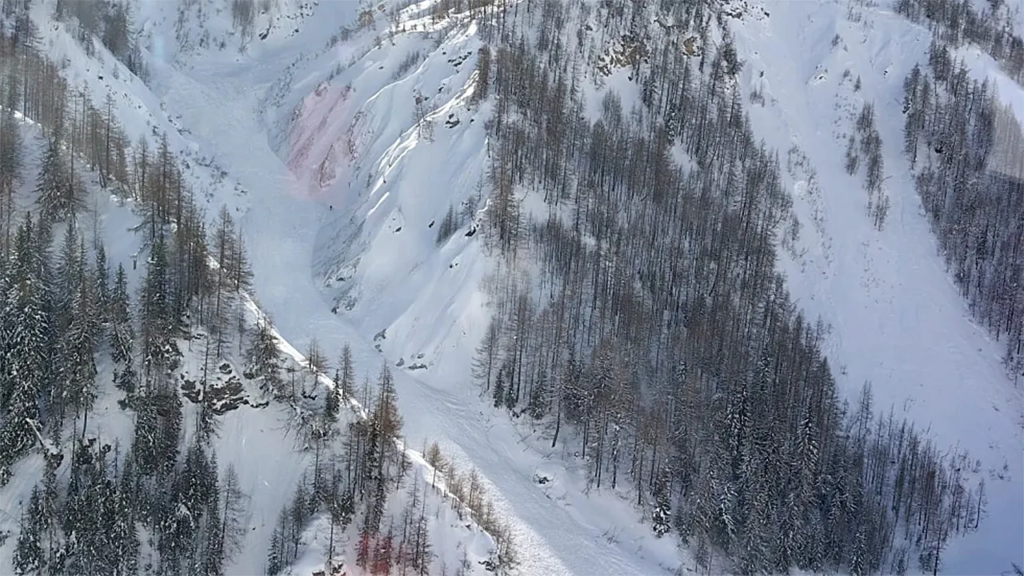
The avalanche struck at an altitude of approximately 2,400 meters, a region characterized by steep slopes and deep snowpack conditions that can shift rapidly under the right circumstances. The group of 25 skiers had been descending through Val Ridanna, an 18-kilometer valley nestled within a mountainous region close to the Austrian border. Known for its off-piste opportunities, the area attracts experienced skiers seeking adventure beyond groomed trails. However, such environments also carry inherent risks, especially during periods of unstable snow conditions.
According to initial reports from rescue authorities, the avalanche occurred just before noon, catching the group mid-descent. The force of the moving snow mass scattered skiers across the slope, burying some beneath several feet of snow. Avalanches of this nature can move at high speeds and with immense pressure, leaving victims little time to react. Survival often depends on a combination of luck, preparedness, and immediate rescue efforts.
Among those caught in the avalanche, two individuals were confirmed dead at the scene. Three others sustained severe injuries requiring urgent medical attention, while two more suffered minor injuries. The remaining members of the group were either able to avoid the main flow of snow or were quickly located during the rescue operation. Authorities have not publicly released the identities of the victims, as investigations and notifications to families continue.
Read : NASA Shares Pic of “Boot of Italy” Taken from Space
This particular avalanche adds to a growing number of similar incidents across alpine regions this winter. Experts have noted that fluctuating weather patterns, including rapid temperature changes and varying snowfall conditions, have contributed to unstable snow layers. Such conditions can significantly increase the likelihood of avalanches, even in areas frequently visited by experienced skiers.
Massive Search and Rescue Effort
The response to the avalanche was immediate and extensive, reflecting both the severity of the incident and the challenges posed by the terrain. Emergency services deployed six helicopters to the site, allowing rescuers to access remote and snow-covered areas that would otherwise be difficult to reach quickly. In total, approximately 80 personnel were involved in the operation, including specialized mountain rescue teams trained to handle avalanche scenarios.
Read : Ian Deans Rescues Skier Trapped Upside Down in Deep Snow at Summit at Snoqualmie
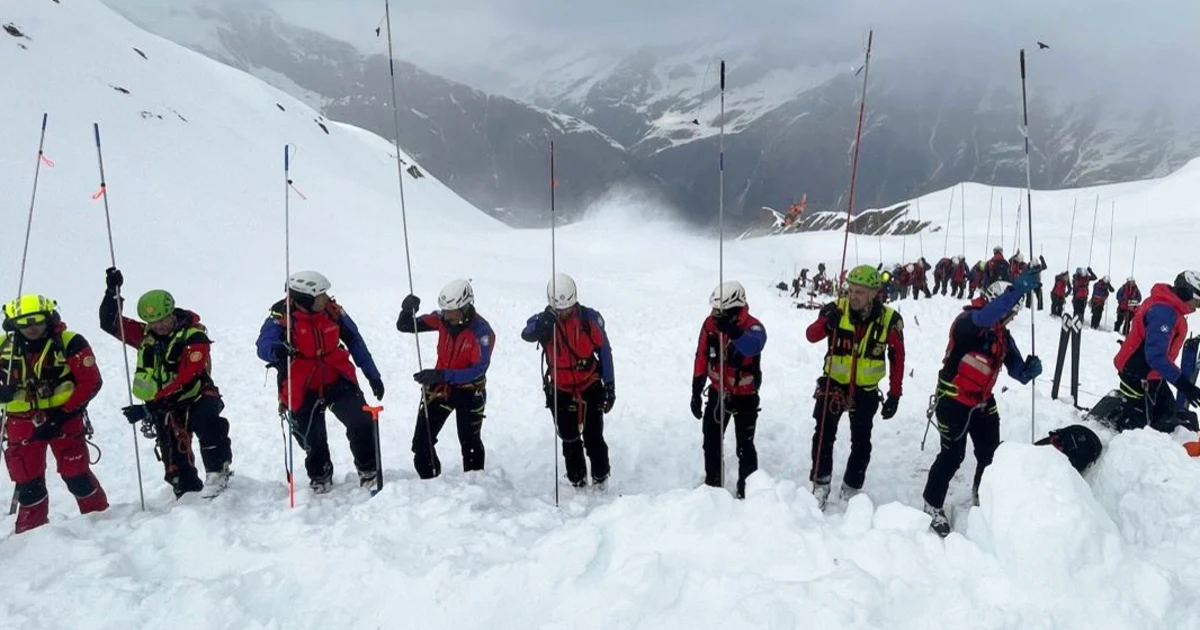
Rescuers utilized avalanche probes and other equipment to systematically search the snow for buried victims. These long, slender tools are inserted into the snowpack in a grid pattern, helping teams locate individuals who may be trapped beneath the surface. Time is critical in such situations, as survival chances decrease significantly after the first 15 to 20 minutes of burial due to suffocation risks.
The presence of multiple agencies, including alpine rescue units, police, and firefighters, ensured a coordinated effort. Each group played a specific role, from aerial surveillance and medical evacuation to ground-based search operations. Helicopters were also used to transport injured individuals to nearby medical facilities, where they received urgent care.
Photographs released from the scene showed rescuers working in harsh conditions, surrounded by vast expanses of snow and steep mountain faces. The scale of the operation underscored the seriousness of the situation and the level of preparedness required to respond effectively to such emergencies. While the rescue teams were able to save several lives, the loss of two individuals serves as a stark reminder of the limits of even the most advanced emergency response systems in extreme natural events.
Authorities have emphasized that the success of rescue operations often depends on rapid reporting and the availability of trained personnel. In this case, the quick alert and immediate deployment of resources likely prevented further casualties. However, the incident also highlights the importance of preventive measures and awareness among those venturing into avalanche-prone areas.
Rising Avalanche Fatalities Across Europe
The tragedy on the Hohe Ferse slopes is part of a broader trend that has seen an unusually high number of avalanche-related deaths across Europe during the 2025–2026 winter season. According to data from European avalanche monitoring agencies, fatalities have already reached 127 this season, surpassing the average of around 100 deaths per year. This increase has raised concerns among experts and authorities, who are closely monitoring conditions across major alpine regions.
Read : 55-Year-Old Skier Dies After Crash at Breckenridge Ski Resort
Italy has recorded the highest number of fatalities so far, followed by France and Austria. These countries are home to some of the most popular skiing destinations in the world, attracting millions of visitors each year. While tourism plays a significant role in local economies, it also brings increased exposure to natural hazards, particularly in off-piste and backcountry areas where avalanche control measures are limited.
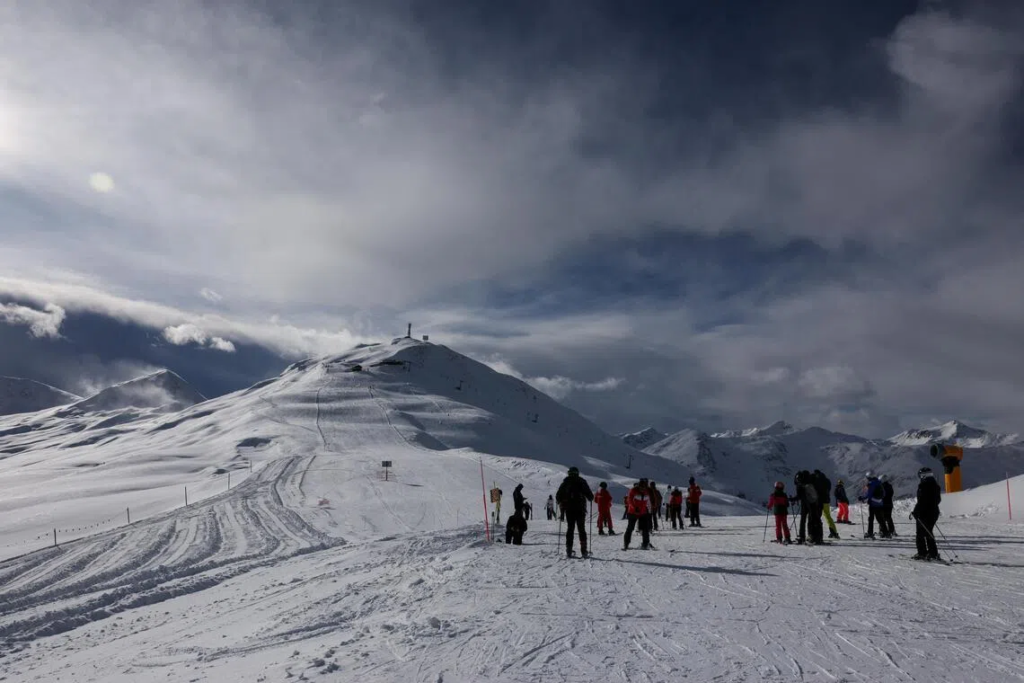
Several factors have contributed to the rise in avalanche incidents this season. Unstable snowpacks, caused by alternating periods of heavy snowfall and warmer temperatures, create layers within the snow that can easily collapse. Additionally, increased participation in backcountry skiing and freeride activities has led more individuals into areas where avalanche risks are higher and less predictable.
The recent avalanche also follows another deadly incident in February, when two skiers lost their lives in a separate event in northern Italy. Such occurrences within a short time frame highlight the persistent danger and the need for heightened caution among winter sports enthusiasts.
Experts continue to stress the importance of preparation, including checking avalanche forecasts, carrying appropriate safety equipment such as transceivers and probes, and traveling with experienced guides when exploring unfamiliar terrain. Education and awareness campaigns have also been intensified in many regions, aiming to reduce the number of accidents through better understanding of avalanche risks.
Despite these efforts, avalanches remain one of the most challenging natural hazards to predict and manage. The combination of environmental factors and human activity creates a complex situation where even experienced individuals can find themselves in danger. The incident on March 21 serves as a sobering example of how quickly conditions can change and how devastating the consequences can be.
As rescue teams conclude their operations and investigations continue, the focus now shifts to understanding the precise causes of the avalanche and preventing similar tragedies in the future. The loss of life and injuries sustained in this incident underscore the need for continued vigilance, improved forecasting, and responsible decision-making in alpine environments.