
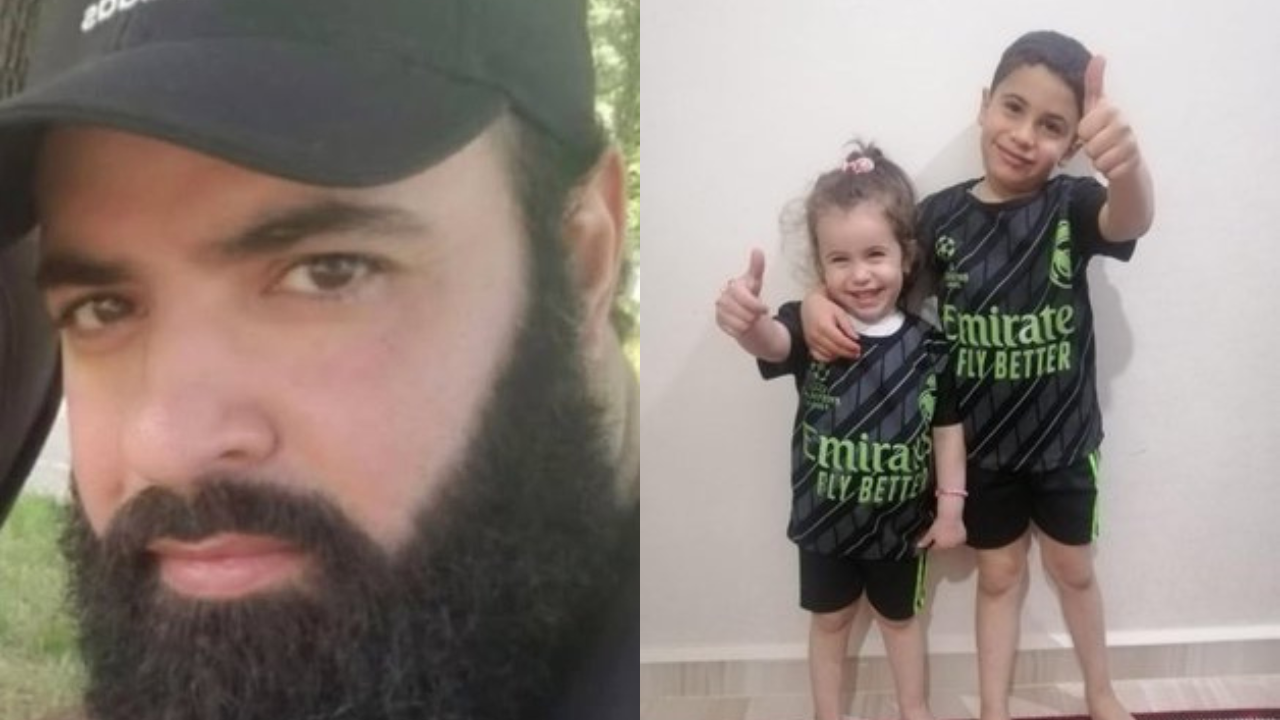
Authorities in the United States identified 41-year-old Ayman Mohamad Ghazali as the man responsible for the violent attack at Temple Israel in West Bloomfield Township, Michigan, on March 12, an incident that drew nationwide attention and heightened security concerns within Jewish communities. The Department of Homeland Security confirmed his identity hours after the attack, which involved a truck carrying mortar-type explosives being driven into one of the largest synagogues in the country.
The suspect was later found dead inside the vehicle following a confrontation with security personnel. Although the incident resulted in injuries and significant alarm, officials reported that none of the students or staff at the synagogue’s associated school were harmed.
The attack occurred during a period of increased tension linked to ongoing international conflict and security concerns within the United States. Law enforcement agencies had already been on heightened alert due to the potential for retaliatory violence related to developments in the Middle East. Investigators have since been examining Ghazali’s background, immigration history, personal circumstances, and possible motivations to better understand how the events unfolded and whether any broader networks or influences played a role.
Background and Life in the United States
Ayman Mohamad Ghazali was a resident of Dearborn Heights, Michigan, a city with a large and diverse immigrant population, including many families of Middle Eastern descent. According to federal officials, Ghazali was born in Lebanon in 1985 and first began the process of entering the United States more than a decade before the Temple Israel incident. Records show that he applied for a U.S. visa in December 2009, which was approved in April 2010. This approval marked the beginning of his legal pathway into the country.
In May 2011, Ghazali arrived in the United States through a legal immigration process sponsored by his American spouse. Marriage-based immigration is a common pathway that allows foreign nationals to obtain residency and eventually pursue citizenship if they meet legal requirements. After establishing residence in the country, Ghazali continued to move through the immigration process over several years.
Federal records cited by authorities indicate that he applied for U.S. citizenship in October 2015. After completing the required background checks and legal procedures, he was granted American citizenship in February 2016. The available information from immigration records suggests that his status in the United States was lawful throughout this process. At the time of the Temple Israel attack, Ghazali had been a naturalized U.S. citizen for approximately a decade.
Details about Ghazali’s personal life, employment history, and community involvement remain limited as investigators continue reviewing his background. However, authorities confirmed that he had been living in the Detroit metropolitan region, an area known for its significant Lebanese-American population and longstanding cultural ties to Lebanon. Officials have also been reviewing possible connections between Ghazali’s personal circumstances and recent geopolitical developments affecting families with ties to the Middle East.
The Temple Israel Attack in West Bloomfield
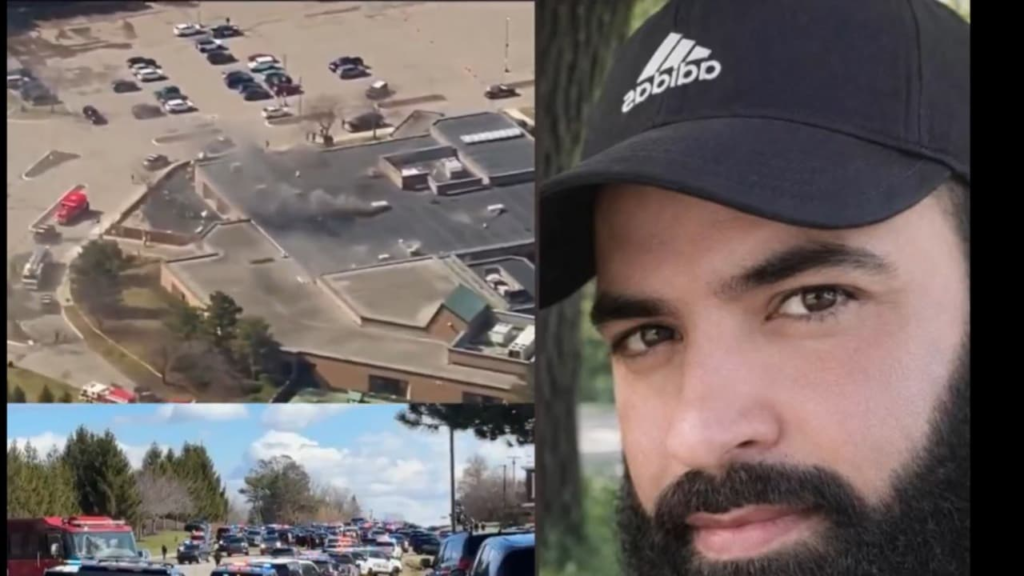
The incident at Temple Israel unfolded on the morning of March 12 when Ghazali drove a truck into the synagogue complex in West Bloomfield Township, a suburban community located northwest of Detroit. Temple Israel is widely recognized as one of the largest Jewish congregations in the United States, serving thousands of members and operating educational programs, including a school attended by students from the surrounding area.
According to law enforcement officials, the vehicle driven by Ghazali contained mortar-type explosive materials. Authorities reported that the explosives caught fire after the truck crashed into the building, creating smoke and confusion as emergency responders rushed to the scene. Security personnel stationed at the synagogue responded immediately to the threat.
During the confrontation that followed, Ghazali reportedly exchanged gunfire with security guards assigned to protect the synagogue. Oakland County Sheriff Michael Bouchard later explained during a press conference that authorities were still determining the exact cause of Ghazali’s death, noting that he was found deceased inside the vehicle while armed with a rifle. Investigators indicated that security officers had engaged the suspect with gunfire during the incident.
🚨 BREAKING: DHS confirms the Michigan synagogue terrorist is Ayman “Mohamad” Ghazali, a Middle Eastern migrant from Lebanon.
— ⁿᵉʷˢ Barron Trump 🇺🇸 (@BarronTNews_) March 13, 2026
Let into the U.S. in 2011 under Obama.
Granted citizenship in 2016.
And now he tried to kill Americans.
Enough. Shut the door to the Third World. pic.twitter.com/RoEH5S4pwk
The crash and subsequent fire led to several injuries and emergency medical responses. A security guard was struck by the vehicle during the attack and was transported to a hospital for treatment. Authorities said the guard was expected to recover. In addition, approximately thirty law enforcement officers were treated at a local hospital for smoke inhalation after responding to the burning vehicle and surrounding hazards.
Despite the severity of the attack, officials emphasized that a much larger tragedy had been prevented. At the time of the incident, roughly 140 students and staff members were inside the synagogue’s school facilities. Law enforcement confirmed that none of them were injured. Authorities credited the rapid response by security personnel and first responders for preventing further harm and ensuring the safety of those inside the building.
Investigation, Possible Motives, and Security Response
Federal investigators quickly classified the incident as a targeted act of violence against the Jewish community. The Federal Bureau of Investigation stated that the attack appeared to have been directed specifically at Temple Israel, though the exact motive has not yet been officially confirmed. As part of the ongoing investigation, authorities have been examining the suspect’s personal history, communications, and potential ideological influences.
Some individuals familiar with Ghazali’s family background suggested that recent events in Lebanon may have affected him personally. A neighbor told local media outlets that the suspect’s brother had reportedly been killed during an Israeli strike in Lebanon. Additional sources within the Lebanese-American community indicated that several members of Ghazali’s extended family may have died during airstrikes in the region amid the broader U.S.–Israel–Iran conflict.
The ongoing war has created widespread geopolitical tension and emotional strain for many individuals with relatives living in affected areas. Israel has carried out multiple airstrikes in Lebanon targeting Hezbollah, the Iranian-backed militant organization that has launched rockets and drones toward Israeli territory. The escalation followed the assassination of Iran’s supreme leader, an event that triggered a series of retaliatory actions across the region.
Read : 16-Year-Old Wootton High School Student Shot by Classmate, Suspect Arrested
Law enforcement officials in Michigan had already been closely monitoring the situation due to concerns that international conflict could lead to retaliatory or copycat acts within the United States. Sheriff Michael Bouchard noted that authorities had been discussing the possibility of such an incident for weeks before the Temple Israel attack occurred. He stated that the heightened security posture helped ensure that emergency responders were prepared to react quickly once the situation unfolded.
In addition to ongoing police vigilance, Temple Israel had taken steps to strengthen its security measures in the months leading up to the incident. Approximately two months before the attack, the synagogue’s clergy and staff participated in an Active Shooter Attack Prevention and Preparedness training program organized by the FBI’s Detroit field office. The training focused on improving emergency readiness and teaching staff how to respond during potential violent incidents.
Officials later emphasized that these preparations likely contributed to the swift and coordinated response seen during the attack. Security guards immediately engaged the suspect, while law enforcement and emergency personnel quickly secured the area and evacuated individuals inside the building. According to Sheriff Bouchard, the actions taken by security staff and first responders followed the protocols that had been practiced during the training sessions.
Investigators continue to analyze evidence from the scene, including the damaged vehicle, the explosives found inside it, and the rifle recovered from the suspect. Authorities are also reviewing Ghazali’s communications and digital activity to determine whether he acted alone or had any connections to extremist groups or networks.
The incident has prompted renewed discussions about security at religious institutions across the United States. Jewish community organizations have long warned about the risks posed by antisemitic violence, and attacks targeting synagogues have become a major concern for law enforcement agencies and community leaders alike. As a result, many synagogues have invested in security personnel, surveillance systems, and emergency preparedness training.
In the aftermath of the Temple Israel attack, officials and community members have expressed gratitude that the incident did not result in loss of life among the congregation or school population. Authorities continue to emphasize the importance of vigilance, cooperation between religious institutions and law enforcement, and proactive security planning in preventing similar incidents in the future.
The investigation into the life and actions of Ayman Mohamad Ghazali remains ongoing as authorities work to piece together the events that led to the attack and determine whether any warning signs were missed. While the immediate threat ended with the suspect’s death, the incident has become part of a broader national conversation about security, community protection, and the complex intersection of international conflict and domestic safety.