
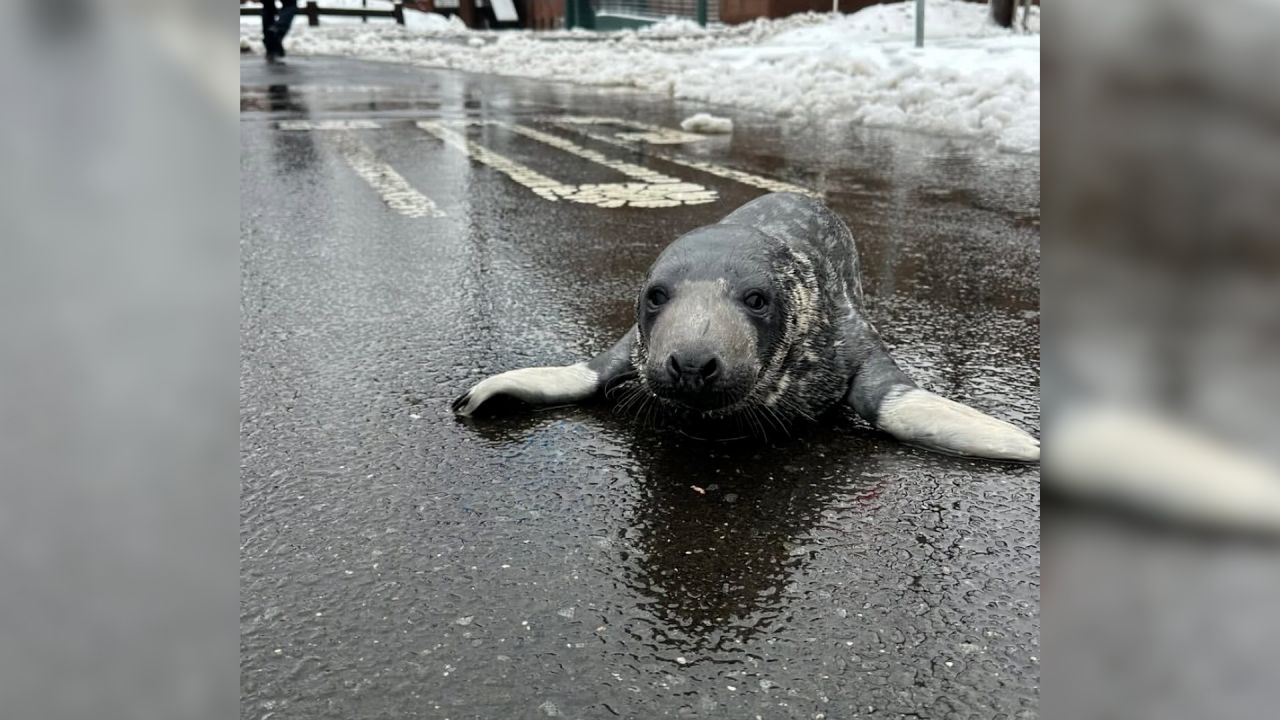
Baby seal found wandering on Chapel Street in New Haven has died due to severe gastrointestinal issues, leaving a wave of sorrow among those who followed his short but touching journey.
Chappy, the young gray seal pup, was found in an unexpected place, far from his natural habitat, and despite receiving dedicated medical care, he succumbed to his illness. His story sheds light on the challenges marine animals face in a world increasingly impacted by environmental hazards.
Chappy’s Unexpected Journey to Chapel Street
On February 16, residents of New Haven were taken aback when they spotted a young gray seal pup on Chapel Street. Police officers quickly arrived at the scene and ensured the pup’s safety until the Mystic Aquarium Animal Rescue Team arrived. The discovery was unusual, as Chapel Street is about a mile from Yale University and several blocks from the nearest coastline.
How Chappy ended up so far inland remains a mystery, but experts believe he was likely trying to escape larger and more aggressive seals in the waters near New Haven. Instinct may have driven the young pup to seek refuge, leading him away from the ocean and onto city streets.
At just a few weeks old, Chappy was vulnerable and in need of care. Rescuers transported him to Mystic Aquarium’s Animal Rescue Clinic, where he was examined for injuries and illnesses.
Read :Angry Over Losing Game of Fortnite, Owen L. Killed 11-Year-Old Girl Walking Home from Middle School
His journey to this unexpected location made headlines, with many people expressing concern and support for the stranded pup. Chappy’s condition, however, turned out to be far more complex than initially anticipated.
Struggles with Health and Treatment Efforts
Upon arrival at the rescue clinic, Chappy was diagnosed with dehydration, malnutrition, and mild pneumonia. These conditions are not uncommon in young marine animals that become stranded, and the clinic staff worked tirelessly to provide him with the necessary medical care. Initially, he responded well to treatment, showing signs of improvement and even learning to eat on his own.
However, his condition soon took a turn for the worse. The medical team observed that Chappy was struggling with severe digestive issues, making it difficult for him to process whole fish, an essential part of his diet.
Chappy, the seal pup that was rescued last week from the city streets of New Haven has started eating fish for the first time! This is a great step in his rehab as he continues to put on weight. pic.twitter.com/h7oYeBzr6k
— Mystic Aquarium (@mysticaquarium) February 24, 2025
His inability to digest food properly led to concerns that something more severe was affecting his gastrointestinal tract. Despite ongoing efforts to stabilize him, his health continued to deteriorate, and veterinarians grew increasingly worried about his chances of survival.
After several weeks of care, Chappy tragically passed away due to complications associated with mesenteric torsion, a condition in which the intestines twist in a way that cuts off blood supply to the gastrointestinal tract.
A necropsy confirmed this as the cause of death, revealing the extent of the damage that had made his recovery impossible. His passing was a heartbreaking moment for the Mystic Aquarium staff and the many people who had followed his story with hope.
Environmental Lessons from Chappy’s Story
While Chappy’s death was primarily due to his gastrointestinal issues, another discovery during his necropsy raised concerns about the impact of human activities on marine life.
Small pieces of plastic were found in his stomach, although they were not considered the direct cause of his illness. This finding serves as a stark reminder of the growing threat marine debris, especially plastics, poses to ocean wildlife.
Pollution in marine environments has been a persistent issue, with plastic waste making its way into the stomachs of countless sea creatures, often leading to severe health complications.
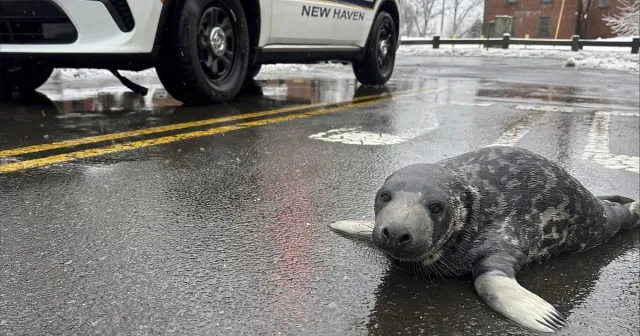
Seals, dolphins, sea turtles, and seabirds frequently ingest plastic debris, mistaking it for food. While Chappy’s plastic ingestion may not have been the direct cause of his death, it highlights the need for greater awareness and action to reduce ocean pollution.
The Mystic Aquarium team expressed their sorrow over Chappy’s passing but also emphasized the importance of learning from his story. His journey from the sea to an urban street and ultimately to a rescue facility underscores the unpredictable and often dangerous circumstances marine animals face.
The efforts made to save him reflect the dedication of wildlife rescuers, but they also bring attention to the broader challenges of marine conservation. Chappy’s short life touched the hearts of many, reminding people of the fragile nature of marine animals and the responsibility humans have in protecting them.
While his story ended in tragedy, it serves as a call to action for reducing pollution, safeguarding marine habitats, and supporting rescue organizations that work tirelessly to care for stranded and injured wildlife.
The Mystic Aquarium team, along with many who followed Chappy’s story, take solace in knowing that he was surrounded by compassionate caretakers during his final days. Despite the challenges, his memory lives on as a symbol of resilience, the need for marine conservation, and the love and dedication that humans can show towards the creatures that share our planet.