

In a tragic incident that has shaken the climbing community, 23-year-old Alaskan climber Balin Miller lost his life on October 1, 2025, after falling from Yosemite National Park’s iconic El Capitan while livestreaming his ascent on TikTok. Miller, known for his bold free-soloing and rope-soloing techniques, was attempting the Sea of Dreams route when the fatal plunge occurred at approximately 2,400 feet. The event, captured in real-time on social media, has drawn widespread attention to the inherent risks of high-altitude climbing and the growing intersection of extreme sports with online content creation.
Park rangers and Yosemite officials confirmed the death early the following day, October 2, after recovery efforts. Miller’s body was retrieved from the base of the granite monolith, a process complicated by the remote terrain and sheer vertical drop. Preliminary investigations indicate no foul play, attributing the accident to a gear malfunction during his rope-solo ascent—a method where climbers use self-belay systems to protect against falls but still face significant exposure. The National Park Service has withheld further details pending a full coroner’s report, but sources close to the investigation point to a sudden release of the self-arrest mechanism as the likely cause.
This marks the latest in a series of fatalities on El Capitan, a 3,000-foot behemoth that has claimed numerous lives since its first ascent in 1958. Miller’s death underscores ongoing safety concerns in Yosemite, where climbing incidents have risen alongside increased visitor numbers and social media-driven expeditions. As news spreads, tributes pour in from fellow climbers, highlighting Miller’s prodigious talent and infectious enthusiasm for the sport.
The Fatal Ascent: A Livestream Gone Wrong
Balin Miller began his climb on the Sea of Dreams route—a 10-pitch, 5.11b crack system on El Capitan’s east face—early on the morning of October 1. The route, first established in 1991 by climbers Ron Kauk and Steve Gerberding, is renowned for its sustained overhangs and exposed dihedrals, demanding precise footwork and upper-body strength. Balin Miller, equipped with a standard rack including cams, nuts, and a soloist device for self-belaying, opted for a lightweight setup to facilitate his planned livestream.
At around 11:45 a.m. PDT, Miller went live on TikTok from midway up the fourth pitch, roughly 2,400 feet above the valley floor. In the footage, now widely circulated and subsequently removed by the platform, he narrated his progress with characteristic humor, cracking jokes about the “view from halfway to heaven” while demonstrating a tricky jam sequence. Viewers numbered in the thousands, drawn by Miller’s 1.2 million followers and his signature blend of technical breakdowns and adrenaline-fueled banter.
The stream captured the moment of catastrophe at 12:03 p.m. As Miller transitioned to a sloping ledge, his soloist device—a mechanical ascender designed to lock onto the rope in case of a slip—appears to have disengaged unexpectedly. Audio from the broadcast records a sharp intake of breath followed by a prolonged silence punctuated by the rush of wind. The camera, mounted on his helmet, tumbled with him, framing the blurred expanse of granite and sky before cutting to black. Rescue teams, alerted by panicked comments flooding the live chat, mobilized within minutes, but the fall’s trajectory made immediate intervention impossible.
⚡️ ⛰️FLASH | IL A CHUTÉ DANS LE VIDE EN DIRECT SUR TIKTOK
— Le Fil Express (@LeFilExpress) October 4, 2025
Le grimpeur Balin Miller, 23 ans, est décédé lors d’une descente en rappel sur une falaise mythique du parc national Yosemite.
L’accident, survenu après une ascension réussie, a été filmé en direct sur TikTok.… pic.twitter.com/mdcfINWyoN
Yosemite’s search-and-rescue team, comprising rangers, medics, and volunteer climbers, rappelled down adjacent faces to assess the site. They reached the base by late afternoon, confirming Miller’s passing from massive blunt-force trauma. The operation involved short-hauling his remains via helicopter to the park’s staging area, a grueling 14-hour effort amid gusty winds. Officials noted that Balin Miller had checked in with base camp protocols earlier that day, adhering to solo-climbing best practices, but emphasized that no system is foolproof against equipment failure under load.
This incident echoes past El Capitan tragedies, such as the 2018 death of free-solo pioneer Alex Honnold’s contemporaries, but stands out for its digital immediacy. Park Superintendent Cindy Alverez stated in a brief press release: “Our hearts go out to Mr. Miller’s family and the global community mourning this loss. Yosemite remains a place of profound beauty and profound risk.” The livestream’s existence has sparked debates on ethical filming during high-stakes endeavors, with some experts calling for platform guidelines on extreme content.
Balin Miller: From Alaskan Peaks to Global Fame
Balin Miller was born on March 15, 2002, in Anchorage, Alaska, into a family steeped in outdoor traditions. His mother, Jeanine Girard, a former ski patroller, introduced him to mountaineering at age five, fostering a lifelong passion for vertical worlds. By his teens, Miller had summited Denali’s West Buttress route and tackled ice climbs in the Chugach Range, earning local acclaim as a prodigy. He dropped out of high school at 16 to pursue climbing full-time, supporting himself through sponsorships and odd jobs in guiding.
Miller’s breakthrough came in 2021 with a viral TikTok series documenting his first Yosemite send of the Salathé Wall, a 3,200-foot classic. His videos, blending raw footage with overlaid graphics explaining beta and risk assessment, amassed millions of views. Unlike polished influencers, Miller’s style was unfiltered: sweat-soaked faces, candid fails, and philosophical asides on mortality. “Climbing isn’t about conquering the rock,” he once captioned a post. “It’s about negotiating with gravity—and hoping it likes your terms.”
Read : 46-Year-Old Czech Mountaineer Klara Kolouchova Dies After Falling from Pakistan’s Nanga Parbat
By 2024, Miller had redpointed over 20 El Cap routes, including a sub-24-hour ascent of the Nose that placed him among elite big-wall speedsters. He pioneered several Alaskan first ascents, such as the “Aurora Direct” on Mount Hunter, blending traditional aid with free moves. Sponsorships from brands like Black Diamond and Petzl followed, funding his nomadic lifestyle between Alaska, Yosemite, and international venues like Patagonia.
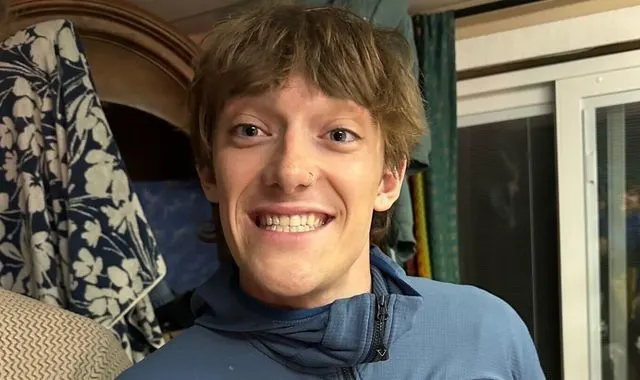
Off the crag, Balin Miller was an advocate for accessible climbing education. He launched a free online course in 2023 teaching rope-solo techniques to aspiring alpinists, stressing redundancy in gear setups. Friends describe him as “electric”—a 5’10” frame belying explosive power, with a laugh that echoed through belay ledges. His final TikTok, posted September 28, hyped the Sea of Dreams attempt: “One more dance with the Captain before winter hits. Who’s tuning in?”
Girard confirmed her son’s death to media outlets on October 2, sharing a family photo from his last birthday. “Balin lived at full throttle,” she said. “He knew the odds, but his spirit was unbreakable.” Miller leaves behind his parents, a younger sister, and a tight-knit circle of climbing partners who viewed him as a generational talent.
Mourning a Mentor: The Climbing World’s Response
News of Miller’s death rippled through the climbing ecosystem within hours, amplified by the livestream’s eyewitnesses. Social media platforms overflowed with condolences, from professional athletes like Tommy Caldwell—who called Miller “the future we all saw coming too soon”—to amateur enthusiasts sharing personal encounters. The American Alpine Club issued a statement October 2, pledging support for mental health resources in the wake of such losses, noting climbing’s psychological toll.
In Yosemite Valley, informal vigils formed at the El Cap meadow, where climbers gathered under darkening skies to share stories and chalk-dusted hands. “He made big walls feel approachable,” said one attendee, a 28-year-old from Bishop, California. Organized memorials are planned for Anchorage and Yosemite later this month, with proceeds benefiting the Access Fund, a nonprofit Miller championed for preserving crags.
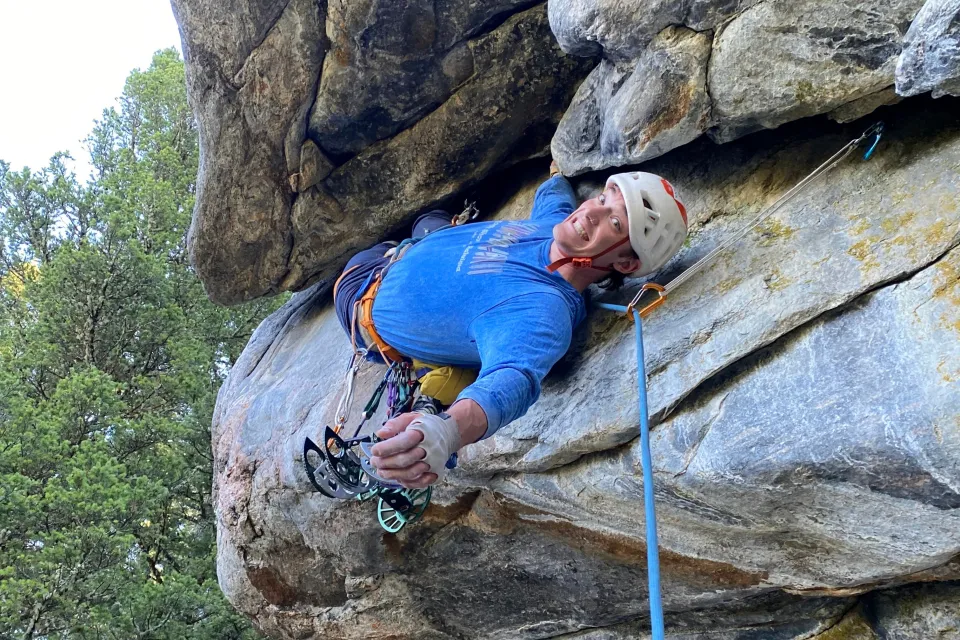
The incident has reignited conversations on solo climbing’s perils. Experts like climber and author Christian Beckwith point to rope soloing’s deceptive safety: “It’s a calculated gamble—devices fail, ropes whip, and one lapse is terminal.” Data from the American Alpine Journal shows Yosemite averages three to five climbing fatalities annually, with solo efforts accounting for 40%. Calls for enhanced gear certification and mandatory partner checks are gaining traction, though purists argue such measures stifle innovation.
TikTok, facing scrutiny for hosting the stream, suspended related content and offered grief counseling links to affected users. Platform executives expressed condolences but defended live features as user-driven. Balin Miller’s final video metrics—over 500,000 views pre-fall—highlight the double-edged sword of virality: inspiration laced with voyeurism.
As investigations continue, Miller’s legacy endures in edited highlight reels circulating privately among peers. His unyielding pursuit of limits, captured in frozen frames of fingertip jams and horizon-spanning vistas, serves as both cautionary tale and clarion call. In a sport defined by impermanence, Balin Miller etched his name into the stone—brilliant, brief, and forever upward.
I got what you intend, thankyou for putting up.Woh I am glad to find this website through google.