
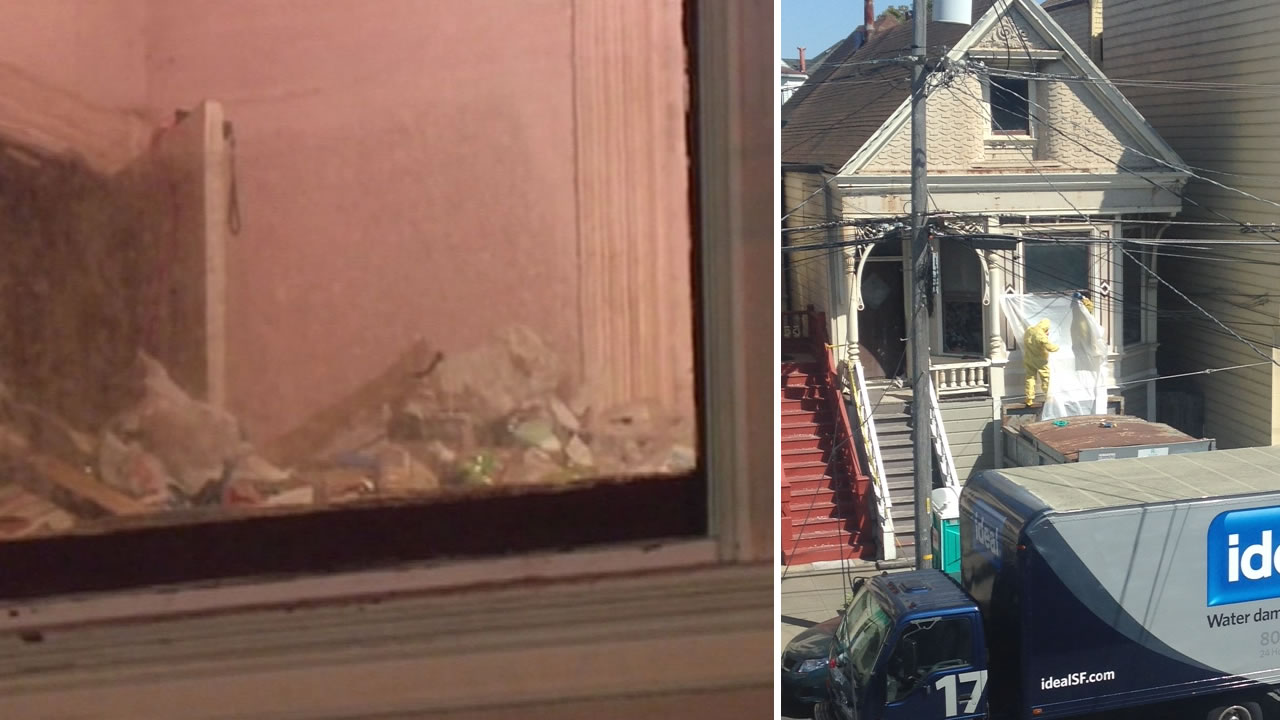
In a shocking case that has rattled the community of Lakeview in New Orleans, authorities discovered the mummified remains of a 600-pound man inside the home of his elderly mother, Barbara Hainsworth.
For nine months, Hainsworth, described as a mentally disabled woman and a former medical professional, lived with her son’s corpse amidst filth, rats, and poultry in a house that neighbors had repeatedly flagged to city officials.
The disturbing discovery raises serious questions about elder care, mental health intervention, and the role of city services in preventing such horrifying neglect.
A Home of Horrors in Lakeview
The grim situation came to light on May 15, 2025, when investigators from the City of New Orleans Code Enforcement division entered Barbara Hainsworth’s Lakeview home. What they found inside was described as nothing short of horrific—a residence filled with garbage, chickens, roosters, rats, and the mummified remains of her son.
According to reports from Nola.com and WDSU, the property had become a magnet for vermin and a public health hazard, despite numerous complaints from neighbors over time.
When questioned by officers from the New Orleans Police Department, Hainsworth calmly explained, “That’s my son. He died about nine months ago.” The man, whose name has not been publicly released, reportedly suffered from multiple medical conditions. It remains unclear whether he died of natural causes or if neglect played a part in his demise.
Read : Charles Storey Kills His Stepbrother While He Visits Their Mother on Mother’s Day
The body, weighing approximately 600 pounds, had been left in the house so long that it had mummified. While some might imagine a scene of panic or despair upon discovering a family member dead, Hainsworth’s reported behavior suggests a profound detachment from reality or a complete psychological breakdown.
Read : Ever Wondered Why Pyramids Are in Remote Deserts?
Neighbors, who had been increasingly alarmed by the smell and the visible decline of the property, continued to report their concerns to the authorities—but the response seemed tragically slow.
A Once-Respected Doctor, Now Living in Isolation
Barbara Hainsworth’s backstory adds a further layer of tragedy to this already sorrowful tale. Once a practicing doctor, her medical license was revoked roughly ten years ago.
The reasons for the revocation are not entirely clear, but it marks a dramatic fall from grace. For someone trained to heal others, the trajectory that led her to live in such conditions is both puzzling and heart-wrenching.
Mental illness appears to be a major factor. Described in public documents as a “mentally disabled elderly woman,” Barbara Hainsworth was clearly not capable of managing her own care, much less the deteriorating health of her son.
A mobile crisis unit was eventually dispatched to evaluate her mental state, though the intervention came far too late to prevent the horrifying discovery.
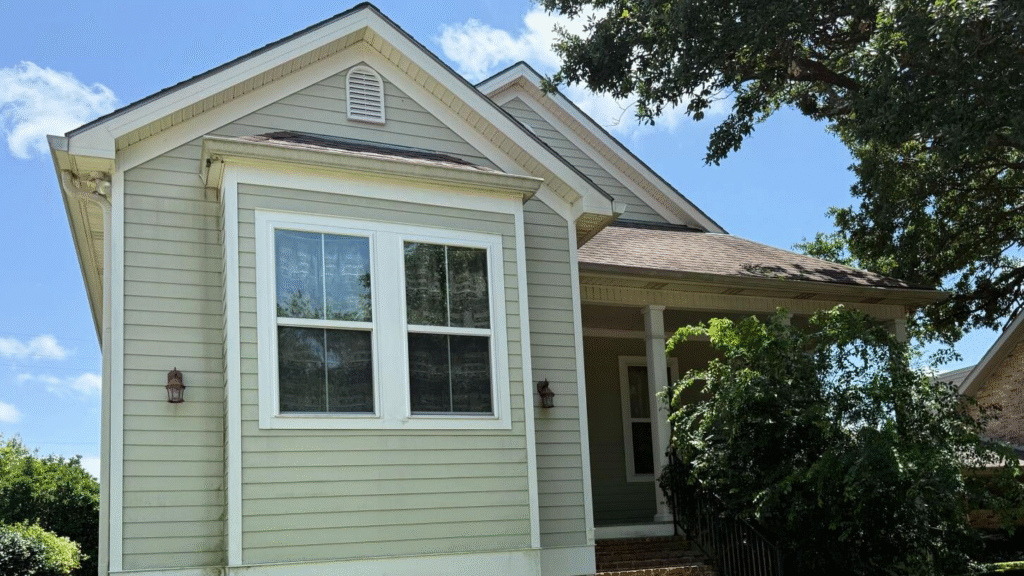
Despite the grave circumstances, she has not been arrested or charged with any crimes. The city appears to be treating the matter as one of mental health and public health rather than criminal neglect, although the investigation remains open.
The decision not to press charges at this time may reflect the complex nature of the case—an elderly, mentally disabled woman living in social isolation, possibly without the means or awareness to seek help.
Failings of the System and the Cost of Inaction
Perhaps the most disturbing aspect of this case lies not in the individual horror but in what it reveals about systemic failure. For months, residents of the Lakeview neighborhood had made complaints about the deteriorating condition of Hainsworth’s property. Trash was visibly piling up, attracting rats and other vermin. The stench became unbearable. The once-peaceful street had become an eyesore—and a health hazard.
Yet it wasn’t until May 7, a full day after Barbara Hainsworth was fined $6,125 and the property was officially declared a public nuisance, that the city took meaningful action. Even then, it took over a week for officials to discover the body.
Why did it take so long? Why weren’t red flags acted upon more urgently? These questions haunt not only the neighbors but also those tasked with protecting public welfare. In an era of growing awareness around mental health, homelessness, and elder neglect, this case serves as a stark reminder that good intentions alone are not enough. Real, proactive systems must be in place to monitor and respond to signs of crisis—especially when repeated complaints are issued by concerned citizens.
The home was condemned and marked as a health hazard, though there are currently no plans to demolish it. Officials have stated that their demolition contractor was placed on standby for an emergency cleanup, and plans were made to board up the property. However, it’s clear that this reactive stance came far too late.

This is not the first time that city services have failed to catch warning signs of extreme hoarding or neglect. In fact, the story bears eerie similarities to other national incidents, such as the discovery of cult leader Amy Carlson’s mummified body in Colorado in 2021, which was similarly left to decay inside a house filled with spiritual followers.
While Barbara Hainsworth’s case lacks the cult dynamics, it speaks to a deeper cultural issue of individuals falling through the cracks—isolated, mentally unwell, and invisible to systems designed to protect them.
The tragedy of Barbara Hainsworth and her deceased son is not just a macabre headline. It is a failure of the social safety net, a sobering reflection of the gaps in our mental health infrastructure, and a grim cautionary tale about what happens when society turns a blind eye to visible suffering. A once-respected doctor reduced to living among filth and death; a son, bedridden and ultimately left to decay in the very house that was supposed to shelter him.
This story will undoubtedly prompt renewed conversations around elder care, mental health, and the responsibilities of municipal systems. But for now, it stands as a silent monument to a deeper issue—one not easily swept away by cleanup crews or sealed off with plywood.
In the weeks ahead, investigators will continue to piece together what happened behind the closed doors of that Lakeview home. But no matter the outcome, the larger question remains: How do we stop this from happening again?