
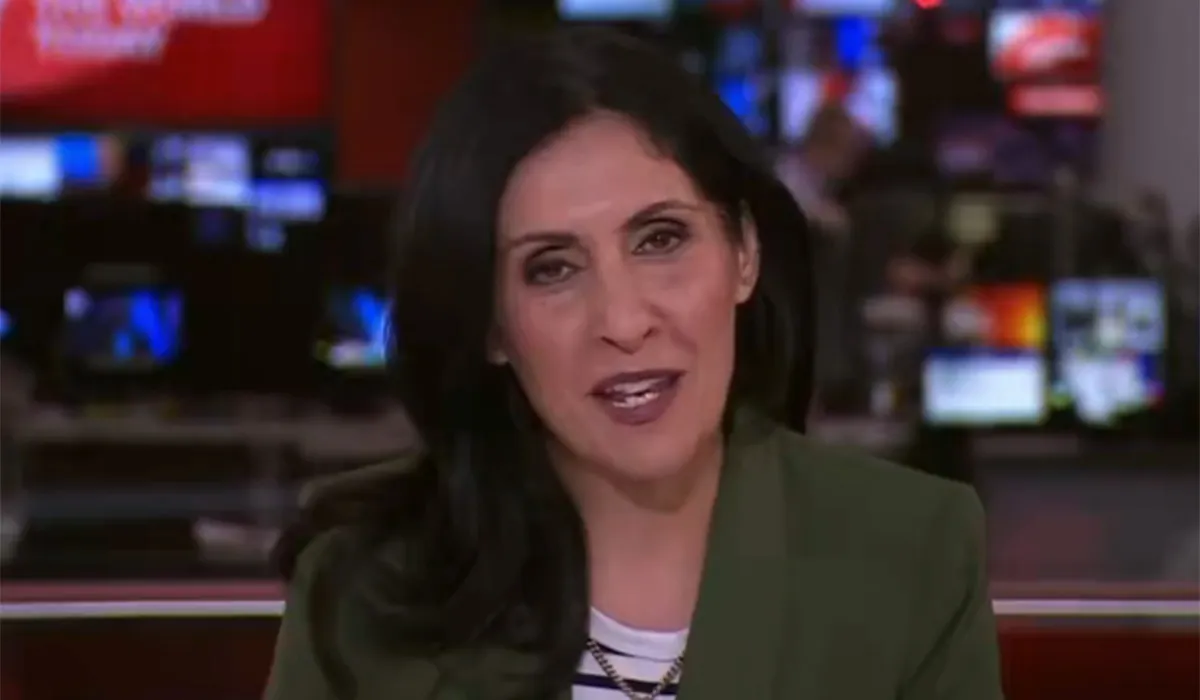
In the fast-paced world of live television broadcasting, moments of unscripted spontaneity can quickly capture the public’s imagination, turning everyday occurrences into viral sensations. Such was the case with BBC News anchor Maryam Moshiri, who once again found herself at the center of online buzz after a dramatic sign-off during a recent bulletin. As the camera panned out at the conclusion of her report, Moshiri grabbed her stack of notes and shuffled them with exaggerated fervor, ultimately sending papers flying across the desk in a theatrical display.
This unexpected gesture, caught live on air, has since been shared widely across social media platforms, eliciting a mix of amusement, speculation, and admiration from viewers worldwide. Coming just days before Christmas in 2025, the clip resonated particularly strongly, with many interpreting it as a relatable expression of end-of-shift exhaustion during the holiday season. The incident echoes Maryam Moshiri’s previous brush with viral fame two years earlier, underscoring her unintentional knack for memorable on-air moments that blend professionalism with human quirkiness.
Maryam Moshiri, a seasoned presenter known for her composed delivery on BBC World News, has long been a familiar face to global audiences. Her career spans years of covering major international stories with poise and authority. Yet, it’s these rare glimpses of personality that have endeared her to the public beyond her journalistic credentials. The paper-throwing episode, occurring earlier this week, quickly amassed views and shares, prompting discussions about the pressures of live news presentation.
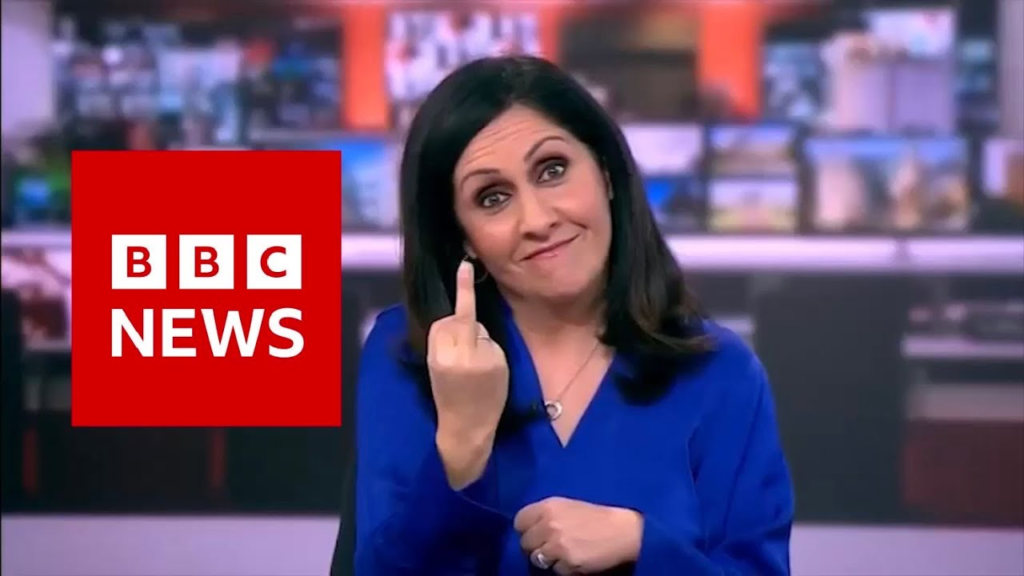
Viewers were left chuckling at the sight, with the clip circulating on various online forums. This isn’t the first time Moshiri has made headlines for an off-script action; in 2023, she accidentally flashed her middle finger during a countdown, which she later clarified as a private joke with her production team that inadvertently went live. That earlier mishap drew apologies and explanations, but it also highlighted the human element behind the polished facade of news broadcasting. Now, with this latest event, Moshiri proves that even in 2025, the allure of authentic, unfiltered moments in media remains undiminished.
As the video spread like wildfire, it sparked conversations about workplace dynamics in high-stakes environments like newsrooms, especially during festive periods when burnout can peak. The timing, just ahead of December 25, added a layer of holiday humor to the narrative, making it all the more shareable. While some saw it as a bold statement, others appreciated it as light-hearted relief in an otherwise serious profession. This viral phenomenon not only boosts Maryam Moshiri’s profile but also reminds us of the evolving relationship between broadcasters and their audiences in the digital age, where every second on screen can become meme-worthy content.
The Incident: A Dramatic End to the Bulletin
The scene unfolded during a standard BBC News bulletin, where Maryam Moshiri had just wrapped up delivering the day’s headlines with her trademark clarity and professionalism. As the program transitioned to its close, and the camera began to pull back for the customary wide shot, Moshiri reached for the papers in front of her. What followed was anything but ordinary: she shuffled the stack with intense energy, her hands moving rapidly as if emphasizing a final point. Then, in a flourish, she tossed the notes, causing them to scatter across the desk in a cascade of white sheets. The moment was brief but captivating, lasting only seconds before the broadcast cut away. Viewers at home were caught off guard, with many replaying the footage to confirm what they had seen.
This occurred on December 22, 2025, amid the pre-Christmas rush, a time when news anchors often work extended hours to cover global events without pause. The bulletin itself covered typical international news, but it was the sign-off that stole the show. Moshiri’s expression remained neutral throughout, adding to the intrigue— was this a planned bit of flair, or an impromptu release of tension? The high-definition capture ensured every detail was visible, from the rustle of the papers to their airborne trajectory. In an era where live TV is scrutinized frame by frame, such actions are ripe for dissection and dissemination.
The @BBCWorld presenter Maryam Moshiri was ready for the shift to end as this moment was caught live on air.
— Kiera Diss (@KieraDiss) December 23, 2025
Party time 🥳 pic.twitter.com/dWqSRIpjzy
Broadcasting experts note that sign-offs are crucial for leaving a lasting impression, often involving subtle cues like stacking papers neatly to signal the end. Moshiri’s version amplified this ritual to dramatic heights, transforming a mundane task into performance art. The incident highlights the technical aspects of news production, where directors and presenters communicate via earpieces for seamless execution. Here, it seems a simple instruction spiraled into something more exuberant, showcasing the improvisational side of live television. Unlike scripted shows, news programs thrive on real-time adaptability, but this level of expressiveness is rare, making it all the more noteworthy.
The clip’s virality can be attributed to its relatability; who hasn’t felt the urge to dramatically conclude a long workday? In newsrooms, where precision is paramount, such displays offer a peek behind the curtain, humanizing the anchors we see daily. Moshiri’s action didn’t disrupt the broadcast but added an unforgettable coda, ensuring the bulletin lingered in viewers’ minds long after. As media consumption shifts toward short-form content, moments like these are gold for content creators, who remix and share them across platforms. This event joins a pantheon of BBC on-air quirks, reinforcing the network’s reputation for both excellence and occasional eccentricity.
Furthermore, the paper-throwing serves as a metaphor for the evolving news landscape in 2025, where digital tools increasingly replace physical scripts, yet traditions like paper shuffling persist for aesthetic reasons. Moshiri’s exaggerated take could signal a playful nod to these anachronisms, blending old-school charm with modern flair. Analysts suggest that such incidents boost viewer engagement, drawing in audiences who might otherwise tune out. In retrospect, the moment encapsulates the blend of discipline and creativity required in journalism, where even a simple sign-off can become a cultural touchpoint.
Public Reactions: Laughter, Speculation, and Relatability
As soon as the clip hit the internet, reactions poured in from all corners. Viewers expressed amusement, with many speculating on Moshiri’s mindset during the festive season. Comments ranged from empathetic quips about holiday work stress to humorous interpretations of her being “ready for the shift to end.” One popular sentiment was that she appeared frustrated about pulling Christmas week duties, a common gripe in shift-based professions. Others joked about it being “party time” or even a covert message, like “burn after reading” orders gone awry.
Read : Anchor Carissa Codel Goes Viral Reading Viewer Comments About Her Appearance in Broadcast Voice
The online frenzy underscores how social media amplifies live TV moments, turning them into global conversations. Hashtags related to the incident trended briefly, with users sharing memes and edited versions of the clip. This response mirrors broader trends in 2025, where audiences crave authenticity amid polished media. Moshiri’s action resonated because it felt genuine, a rare break from the stoic demeanor expected of news anchors. Fans praised her for injecting personality into the broadcast, while critics wondered if it undermined professionalism—though most leaned toward the former.
Notably, the reactions highlighted generational differences; younger viewers saw it as “iconic” and empowering, while older ones viewed it with bemused tolerance. International audiences, familiar with Moshiri from BBC World, added cultural layers, interpreting the gesture through their lenses. For instance, in some regions, it evoked memories of similar on-air antics by local presenters. The clip’s shareability factor was high, with short videos garnering millions of views within hours. This rapid spread illustrates the power of viral content in shaping public perception of media figures.
Moreover, the event sparked discussions on work-life balance in journalism. With 24/7 news cycles, anchors like Moshiri often work holidays, leading to burnout. Viewers empathized, sharing personal stories of end-of-day frustrations. This relatability turned Moshiri into a symbol of the overworked professional, endearing her further. Media outlets covered the story, amplifying the buzz and ensuring it reached even non-BBC watchers. In a year marked by serious global events, this light-hearted diversion provided welcome relief.
Overall, the public embrace of the moment reflects a shift toward appreciating human errors—or in this case, enhancements—in broadcasting. It fosters a connection between anchors and audiences, humanizing the news delivery process. As reactions continue to evolve, they cement Moshiri’s status as a relatable figure in an often impersonal industry.
Moshiri’s Response: Clarifying the Chaos
In the wake of the viral clip, Maryam Moshiri addressed the speculation head-on, providing context that transformed the narrative from potential controversy to comedic insight. She revealed that the dramatic shuffle and toss were an overzealous response to her director’s instruction to “shuffle your papers” at the end of the segment. By going “the extra mile,” as she put it, Moshiri turned a routine cue into a memorable spectacle, intending it as a bit of fun rather than frustration.
This explanation aligns with her history of transparency following on-air incidents. Recalling her 2023 middle finger gaffe, where she was joking with the gallery team during a countdown, Moshiri had promptly apologised, emphasising it was not directed at viewers. Similarly, here, her response diffused any misconceptions, showcasing her good humor and dedication to her role. Fans responded positively, lauding her as “the best in the business” for such engaging antics.
Moshiri’s career, built on credibility, remains unscathed; if anything, these moments enhance her appeal. They demonstrate resilience and the ability to laugh at oneself, qualities valued in public figures. As she continues presenting, this incident adds to her legacy, proving that even in serious news, a touch of levity can go a long way.
In conclusion, Maryam Moshiri’s paper-throwing sign-off is more than a viral blip—it’s a testament to the enduring charm of live TV in 2025. As audiences crave authenticity, such moments bridge the gap between broadcaster and viewer, ensuring news remains not just informative, but entertaining too. With her explanation settling the dust—or papers—Moshiri emerges stronger, ready for whatever the next bulletin brings.
Downloaded lucky102apk the other day and it’s been keeping me entertained. Good way to pass the time while waiting for the bus, surprisingly. See what all the hype is about on lucky102apk!
References:
Slot machine games online
References:
https://lykkegaard-stephens.technetbloggers.de/caesers-palace-events-calendar
References:
Is hgh a steroid
References:
http://124.236.46.74:9103/prestonfelton/niftyhire.com1986/wiki/Hi-Tech+Pharmaceuticals+Dianabol+Prohormone.-
References:
Grand portage casino
References:
https://www.marocbikhir.com/user/profile/627611
References:
Legalsteroids com d bol
References:
https://code.tczkiot.com/leiaehmann2356
References:
What are the dangers of steroids
References:
https://blackvision.co.uk/@marymireles76?page=about
References:
Do steroids make you stronger
References:
https://gitea.personalsoftware.space/yczruthie11637
References:
Rapid tone weight loss side effects
References:
http://175.27.229.211:3000/kristopher5854/maxtravelagencys.com6039/wiki/Metandienone-Wikipedia
References:
Abuse of anabolic steriods
References:
https://bantooplay.com/@myrtiskent208?page=about
References:
Do steroids burn fat
References:
http://112.47.48.236:7001/brittnydelprat
References:
Anabolic steroid athletes
References:
https://uk4mag.co.uk/video/@sonjanorthrup8?page=about
References:
Gnc anabolic steroids
References:
http://pasarinko.zeroweb.kr/bbs/board.php?bo_table=notice&wr_id=9748378
References:
Crazy mass cutting stack
References:
https://gitea.manekenbrand.com/aurora89c86787
This is nicely put! !
References:
https://notes.bmcs.one/s/8iWHByWSV
References:
Instant Casino Treuepunkte einlösen
References:
https://pin-it.top/item/595756
References:
Instant Casino Auszahlung sofort
References:
https://topbookmarks.xyz/item/483037
References:
Instant Casino Auszahlung sofort
References:
https://dreevoo.com/profile.php?pid=1406174
References:
Instant Casino Konto erstellen
References:
https://monjournal.top/item/475186
References:
Texas casinos
References:
https://justbookmark.win/story.php?title=beyond-the-game-experience-over-6000-titles-exclusive-bonuses-at-winspirit-canada
References:
North dakota casinos
References:
https://mozillabd.science/wiki/How_to_Win_at_Blackjack_A_Beginners_Guide
References:
Bodybuilding cutting
References:
https://internskill.in/companies/human-growth-hormone-hgh-benefits-risks-and-uses/
References:
Best place to buy winstrol
References:
https://guateempleos.com/companies/somatropin-191aa-150-iu-kit-usa-domestic-www-ecbt-org/