

Belgium has taken a pioneering step in public health and environmental protection by becoming the first European Union nation to ban disposable e-cigarettes.
Effective January 1, this landmark decision addresses the growing concerns surrounding health risks, addiction among youth, and the environmental impact of single-use vaping devices.
The Driving Forces Behind the Ban
Belgium’s Health Minister Frank Vandenbroucke has been a strong advocate for this measure, citing the alarming appeal of disposable e-cigarettes to teenagers.
The devices, often marketed with sweet flavors and sold at low costs, have been linked to an increase in youth nicotine addiction. These products typically contain high levels of nicotine, which poses serious health risks, especially to younger users.
The ban aligns with Belgium’s national anti-tobacco strategy, which aims to curtail tobacco and nicotine consumption across all demographics.
The addictive nature of nicotine, coupled with its availability in appealing forms, has created an urgent need for regulatory intervention. By eliminating disposable e-cigarettes, the government hopes to reduce the entry points for nicotine addiction among teenagers and young adults.
Read : Sunita Williams, Wilmore to Have Smoked Turkey on Thanksgiving on Space Station
Environmental concerns also played a critical role in shaping the legislation. Disposable e-cigarettes contribute significantly to pollution due to their plastic components and lithium batteries.
These materials are often discarded improperly, leading to hazardous waste that is detrimental to the environment. The ban is a dual-faceted approach to safeguard public health and mitigate ecological harm.
How Belgium Leads the EU in Tobacco Control
Belgium’s decision to ban disposable e-cigarettes follows the approval of the European Commission earlier this year, a necessary step for implementing such sales restrictions across EU member states.
This bold move aligns with the broader EU vision of achieving a tobacco-free generation by 2040. The EU aims to reduce its smoking population from approximately 25% to under 5%, a goal that necessitates innovative and comprehensive measures.
The legislation is part of Belgium’s wider anti-tobacco initiatives, which also include expanding smoking bans to various public spaces such as playgrounds, zoos, sports venues, and areas near schools and hospitals.
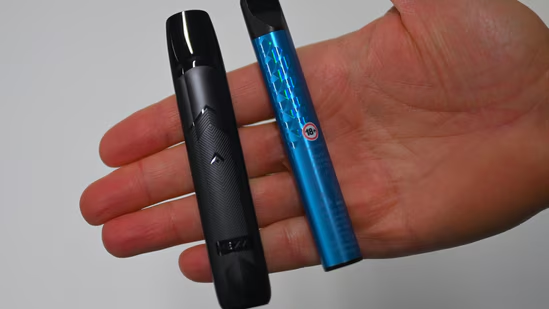
By targeting disposable vaping products, Belgium sets a precedent for other EU nations. Countries like France are already considering similar measures, while globally, Australia and the United Kingdom have also introduced restrictions on disposable e-cigarettes.
Importantly, the ban allows the continued sale of reusable e-cigarettes in Belgium. These alternatives serve as a tool for individuals attempting to quit traditional tobacco products, offering a less environmentally damaging option while still addressing addiction.
Reactions and Future Implications
The ban has sparked mixed reactions from the public, industry stakeholders, and policymakers. Critics argue that the focus on disposable e-cigarettes may overlook the persistent dangers of traditional tobacco products, which still dominate the market. Others believe that this measure is a vital step in addressing the dual crises of public health and environmental degradation.
Health Minister Vandenbroucke has emphasized the necessity of modernizing EU-wide tobacco legislation to address emerging challenges posed by alternative nicotine products. By banning disposable e-cigarettes, Belgium reinforces its role as a trailblazer in public health policies, encouraging other EU nations to adopt similar initiatives.

The decision also underscores a growing recognition of the environmental cost of single-use products. As the world grapples with climate change and waste management crises, Belgium’s approach could inspire a broader shift toward sustainability in consumer goods.
The inclusion of lithium batteries in disposable vapes makes them particularly problematic, highlighting the need for stricter regulations on similar products.
Belgium’s ban, while bold, is also pragmatic. It acknowledges the role of vaping in smoking cessation efforts but emphasizes the need for sustainable and responsible practices. By keeping reusable e-cigarettes available, the government strikes a balance between restricting harmful products and supporting individuals on their journey to quit smoking.
A Broader Context: Global Efforts to Regulate Vaping
Belgium’s decision is part of a global movement to regulate e-cigarettes more strictly. In Australia, vape sales are restricted to pharmacies, a move designed to limit accessibility while promoting cessation tools.
Similarly, the United Kingdom plans to ban single-use vapes by mid-2025, underscoring a growing consensus on the environmental and health risks posed by disposable vaping devices.

These actions reflect a broader understanding of the complexities surrounding vaping. While e-cigarettes are often promoted as safer alternatives to traditional tobacco products, their popularity among youth and the environmental challenges they present have become points of concern. As countries navigate these issues, Belgium’s example serves as a guiding framework for comprehensive and balanced regulation.
Belgium’s ban on disposable e-cigarettes marks a significant milestone in the fight against nicotine addiction and environmental pollution. By targeting products that disproportionately appeal to teenagers and contribute to hazardous waste, the country sets a new standard for public health and environmental policy.
This decision is not without controversy, but it underscores the importance of proactive measures in addressing complex challenges. As the EU strives for a tobacco-free generation by 2040, Belgium’s leadership offers a roadmap for other nations to follow.