
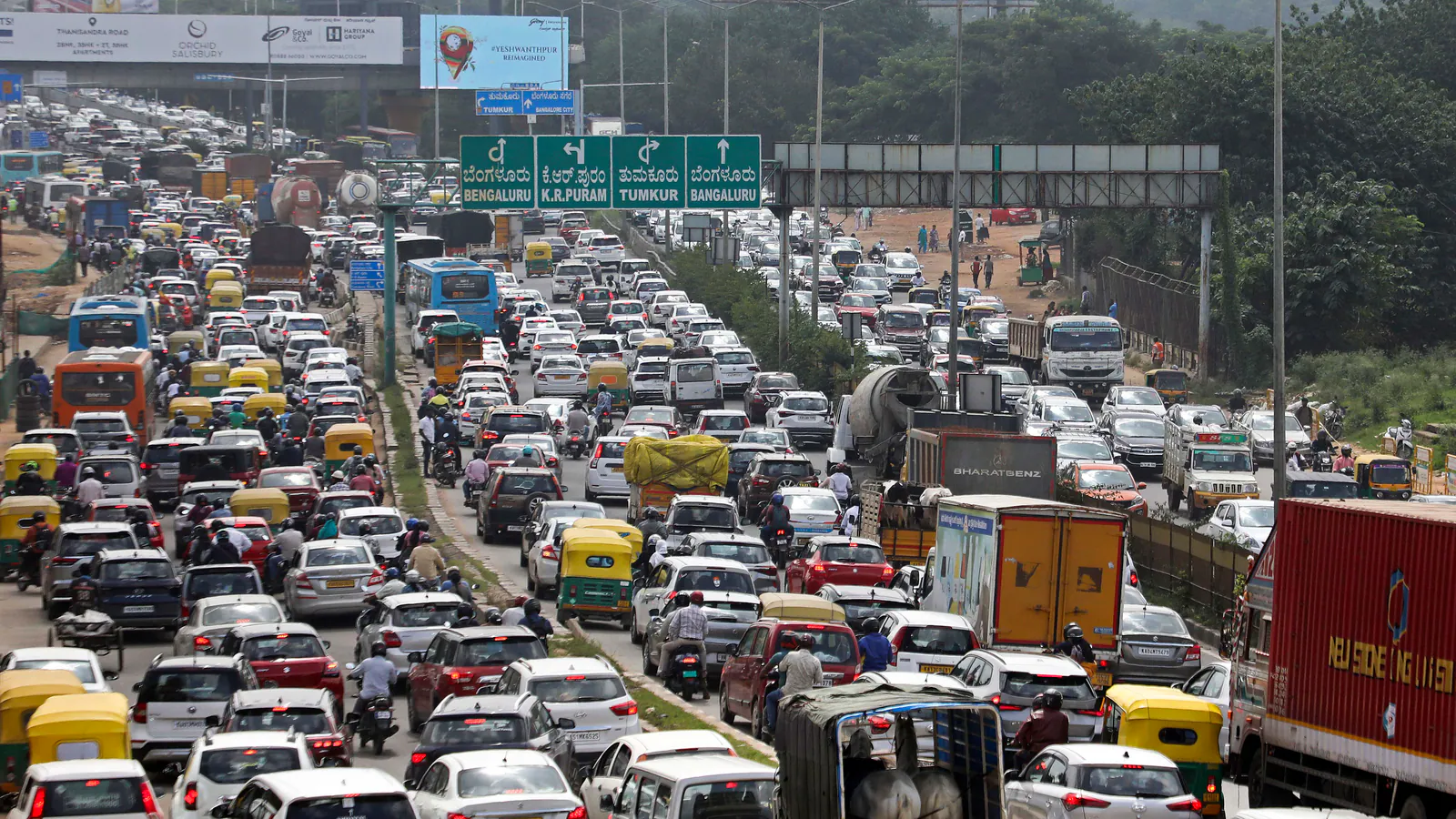
Bengaluru, often referred to as the “Silicon Valley of India,” has long been known for its thriving tech industry, dynamic workforce, and rapidly expanding infrastructure. However, despite its economic boom and development, the city is grappling with one of the most persistent challenges of modern urban life: traffic congestion.
In fact, Bengaluru has earned the unenviable title of being the most traffic-congested city in Asia, a distinction highlighted by the TomTom Traffic Index 2023. This ranking sheds light on the severe traffic issues that continue to plague this city, where drivers spend over 132 extra hours annually stuck in traffic.
Bengaluru’s Traffic Woes: An Unfolding Crisis
The city of Bengaluru, with a population exceeding 12 million, is now infamous for its traffic jams that have become a defining feature of daily life. Despite being a major tech hub, home to numerous multinational companies, start-ups, and research institutions, Bengaluru has struggled to implement effective solutions to combat the growing congestion problem.
As the city’s population continues to grow, so too does the number of vehicles on the road, exacerbating an already critical situation. Bengaluru’s traffic situation has worsened over the years, as urbanization and industrial growth have not been matched with the development of adequate infrastructure.
In the past decade, the city’s rapid expansion has contributed significantly to the strain on its road networks, resulting in longer commute times and increased pollution. According to the TomTom Traffic Index, drivers in Bengaluru spend an average of 28 minutes and 10 seconds to travel just 10 kilometers. This statistic paints a grim picture of the everyday struggles faced by commuters.
Read : King Charles III and Queen Camilla in Bengaluru for Private Wellness Retreat
The city’s road networks have not kept pace with its rapid growth, with narrow streets, poorly designed intersections, and a lack of efficient public transportation options compounding the issue.
Moreover, the city’s infrastructure development projects, such as flyovers and metro lines, have often faced delays and have not provided the immediate relief that was needed. With no quick fixes on the horizon, Bengaluru’s residents are left to navigate through some of the worst traffic jams in the region daily.
Comparing Bengaluru to Other Asian Cities
When placed in comparison with other Asian cities, Bengaluru’s position as the most traffic-congested is even more alarming. The TomTom Traffic Index 2023 places Pune in second place within India, with an average travel time of 27 minutes and 50 seconds to cover just 10 kilometers. While Pune’s situation is serious, Bengaluru’s congestion is notably worse, with nearly 30 seconds more spent per 10 kilometers.
Bengaluru’s congestion problem is also more severe than many major cities in Asia, including Manila in the Philippines and Taichung in Taiwan.
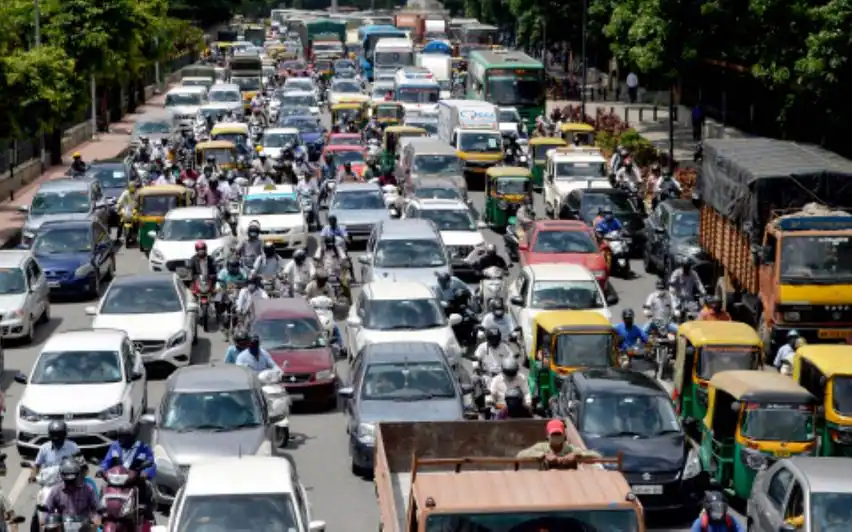
Drivers in Manila spend an average of 27 minutes and 20 seconds covering the same 10-kilometer stretch, while those in Taichung face 26 minutes and 50 seconds of travel time. These figures suggest that Bengaluru is grappling with a far more intense traffic crisis than many of its regional counterparts.
Interestingly, the TomTom Traffic Index surveyed 387 cities across 55 countries, focusing on various metrics such as travel time, fuel costs, and CO2 emissions.
Bengaluru’s ranking highlights the urgent need for urban planners, policymakers, and citizens to address the growing challenge of traffic congestion. The city’s rapid urbanization and limited infrastructure have combined to create a perfect storm of road congestion that has yet to be adequately managed.
Efforts to Address Bengaluru’s Traffic Crisis
In response to the growing concerns about traffic congestion, the Bengaluru Traffic Police have taken steps to improve the city’s traffic management system.
Recently, they launched a redesigned website, offering real-time updates on traffic conditions, roadblocks, and alternate routes. This initiative aims to make traffic-related services more accessible and efficient, providing commuters with the information they need to plan their routes better.
The website, available at https://btp.karnataka.gov.in, offers a modern interface with improved navigation and additional features, such as a live feed of traffic updates. The platform also provides information about ongoing traffic enforcement activities, helping the police manage the flow of vehicles more effectively.
While the website is a step in the right direction, it remains to be seen whether such measures can significantly ease the congestion problems that continue to haunt Bengaluru’s streets.
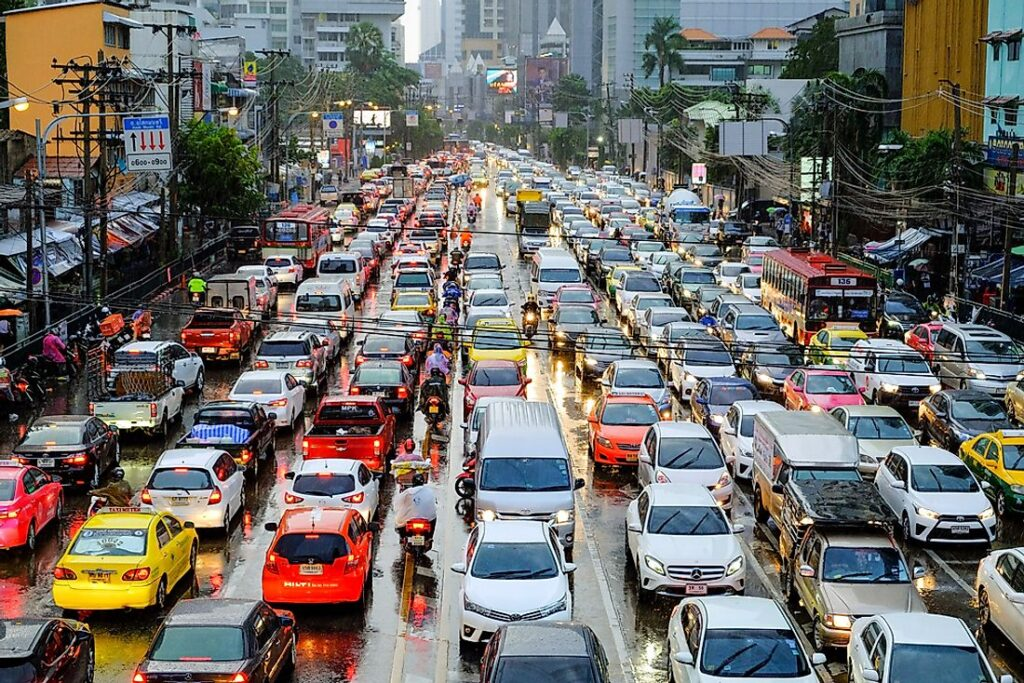
In addition to digital solutions, the city has been working on various infrastructure projects aimed at reducing traffic jams. The Bengaluru Metro, which has already made significant progress, is expected to alleviate some pressure by providing an efficient public transportation alternative.
The city is also planning several flyovers, underpasses, and elevated corridors to improve road connectivity and reduce bottlenecks. However, with the growing population and increasing vehicle numbers, these measures may take time to yield significant results.
Bengaluru’s traffic problems are not solely a result of poor infrastructure but are also influenced by behavioral factors. Many commuters prefer private vehicles over public transport due to safety concerns, lack of comfort, and unreliable services.
This widespread reliance on private vehicles has led to overcrowded roads, further compounding the congestion issue. Encouraging the use of public transportation, carpooling, and cycling can play a pivotal role in reducing traffic volumes.
The Environmental Impact of Bengaluru’s Traffic Jam
In addition to the inconvenience caused by traffic congestion, there are significant environmental concerns associated with Bengaluru’s road jams. As traffic slows to a crawl, fuel consumption increases, and harmful emissions from vehicles add to the city’s pollution levels.
According to the TomTom Traffic Index, Bengaluru’s average congestion level has led to higher fuel consumption and carbon dioxide emissions, which not only affect the environment but also contribute to the city’s poor air quality.
The environmental cost of traffic congestion is not just an inconvenience for residents; it also poses long-term health risks. Poor air quality in Bengaluru has already been linked to respiratory issues, cardiovascular diseases, and other health problems.
The government and urban planners must prioritize addressing these environmental concerns alongside improving traffic flow to ensure the city’s sustainability for future generations.
Can the City Overcome Its Traffic Nightmare?
Bengaluru’s future will depend largely on how well it tackles its traffic congestion crisis. While there are ongoing efforts to improve infrastructure and traffic management, the road to recovery is long. The city’s rapid urbanization has outpaced its infrastructure development, and the sheer number of vehicles on the road continues to rise.
However, Bengaluru has the potential to transform its traffic situation with the right combination of public transportation, smart urban planning, and behavioral change. The introduction of more efficient bus services, expanded metro lines, and carpooling initiatives could make a significant difference in easing congestion.
Additionally, integrating smart traffic management systems and utilizing technology for real-time monitoring and optimization of traffic flow could alleviate bottlenecks and improve the overall driving experience.
The future of Bengaluru as a tech hub will depend on its ability to tackle these traffic challenges effectively. With more people joining the workforce and an increasing number of businesses setting up in the city, it is essential to invest in sustainable transportation solutions and create a city that is not only a leader in technology but also in urban mobility.
By prioritizing better infrastructure, embracing technological advancements, and encouraging behavioral changes, Bengaluru can hope to alleviate its traffic woes and regain its position as a livable city for its residents and visitors alike.