

In a decision that underscores the zero-tolerance policy for physical misconduct in UK schools, Bernard Aquilina, a 35-year-old computer science teacher, has been permanently prohibited from teaching in England. The Teaching Regulation Agency (TRA) panel ruled that Aquilina’s actions constituted unacceptable professional conduct following an incident at Cove Secondary School in Farnborough, Hampshire. The event, which occurred in early 2024, involved Aquilina slapping a student on the cheek for laughing at a classmate’s difficulty answering a question during a lesson.
This ruling, published on October 3, 2025, highlights ongoing concerns about teacher accountability and student safety in educational settings. Bernard Aquilina was employed at the school since September 2020 and was removed from his position in May 2024 pending the investigation. The TRA’s professional conduct panel convened to review the case, finding Aquilina guilty of assaulting a pupil, an act that also led to a criminal caution in February 2024. The decision emphasizes that teachers, as responsible adults, must model appropriate behavior and maintain control without resorting to violence.
This incident is part of a broader pattern of TRA interventions, with over 200 prohibition orders issued in the past year alone for various forms of misconduct. Bernard Aquilina’s case stands out due to the presence of multiple witnesses and corroborating evidence, leaving little room for dispute over the facts. The panel’s report details how the teacher’s response escalated a minor classroom disruption into a serious breach of trust. Education authorities have welcomed the ban as a necessary measure to protect vulnerable students.
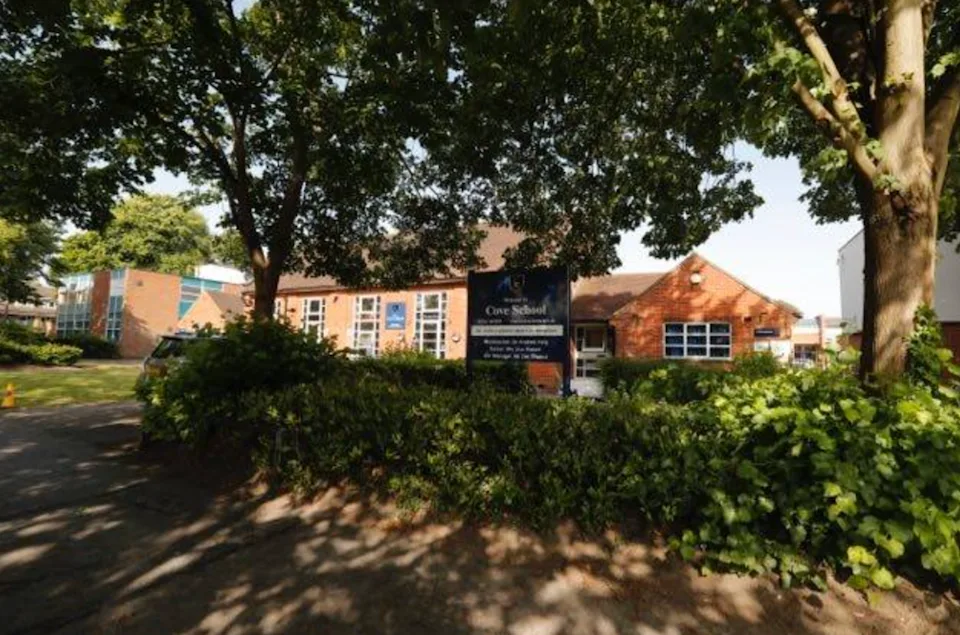
Cove Secondary School, which serves students aged 11 to 16, confirmed the teacher’s immediate suspension at the time and cooperated fully with the investigation. The school’s headteacher stated that the incident was isolated but required swift action to uphold safeguarding standards. This event occurs amid heightened scrutiny on teacher behavior, with the Department for Education reporting a 15% increase in misconduct referrals since 2023. The indefinite ban means Bernard Aquilina cannot apply for permission to teach again, effectively ending his career in the profession.
The Incident Unfolds in a Routine Classroom Lesson
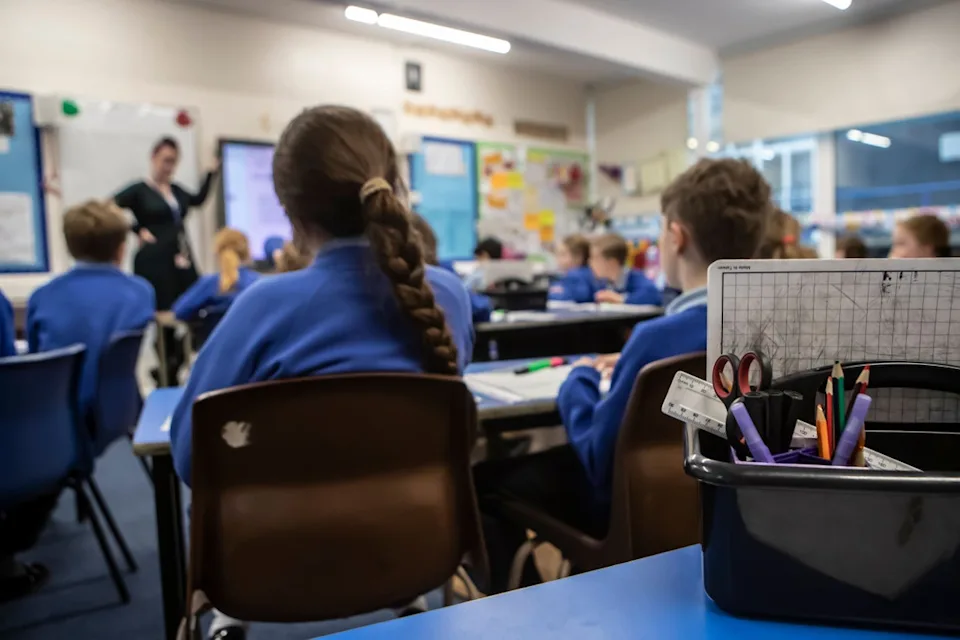
The altercation took place during a standard computer science class at Cove Secondary School in March 2024. According to statements from the victim, referred to as Pupil A, and seven other students, the sequence of events began innocently enough. A male student was called upon to answer a question after being caught not paying attention. Struggling to respond, the pupil faltered, prompting Pupil A to laugh at the situation. This lighthearted reaction, common in secondary school dynamics, quickly drew the teacher’s ire.
Bernard Aquilina approached Pupil A, clapping sarcastically and saying, “Well done.” Without warning, he then delivered a hard open-handed slap to the left side of the student’s face. Pupil A, stunned, asked, “What have I done wrong? I only laughed.” Witnesses described the slap as forceful, audible across the classroom, and leaving the student visibly shaken. One pupil recounted, “I saw Mr. Aquilina approach Pupil A and state to him: ‘If you’re being disrespectful, then I can too.'” The immediate aftermath saw the class in shock, with no further disruption but clear distress among the students.
Read : Sheringham Community Primary School PE Teacher Joshua Roper Banned from Teaching Indefinitely
CCTV footage notes reviewed by the panel corroborated these accounts, showing Bernard Aquilina’s approach and the physical contact without contradiction. The incident lasted mere seconds but had lasting repercussions. Pupil A reported feeling humiliated and fearful, stating in his evidence that the slap was unexpected and painful. Other students echoed this, noting it was the first time they had seen a teacher use physical force. The school’s behavior policy explicitly prohibits any form of corporal punishment, aligning with UK law that banned it in state schools in 1986 and independent schools in 1998.
Read : Why Youngsters Are Struggling with Anger Issues and How to Solve Them
This was not framed as a one-off lapse but as a deliberate act. Aquilina did not deny the slap during the hearing but claimed it was a “tap” intended to regain attention. The panel rejected this, citing the consistency of student testimonies and the caution he accepted from police. The criminal aspect stemmed from common assault charges, resolved via caution rather than prosecution, but still forming the basis for the professional inquiry. The TRA emphasized that even minor physical contact breaches the duty of care teachers owe to pupils.
Panel’s Verdict Highlights Lack of Remorse and Risk Factors
The TRA panel, comprising a professional conduct member, a lay panellist Jane Brothwood, and a teacher panellist Sharon Bhogal, deliberated on the evidence presented. Legal advice was provided by Rachel Phillips of Blake Morgan Solicitors. After reviewing written statements, CCTV notes, and Aquilina’s submissions, the panel unanimously found the allegation proven. They determined that his conduct not only violated school rules but also constituted a criminal offense, for which he accepted responsibility via caution.
Central to the decision was Bernard Aquilina’s limited remorse and absence of insight. While he expressed regret for the “upset caused,” he failed to acknowledge the severity of slapping a child or the power imbalance involved. The panel noted, “There was no evidence that Mr. Aquilina made an exceptional contribution to teaching,” weighing against any mitigating factors. They assessed a risk of reoffending, citing his justification of the act as a response to perceived disrespect rather than a teachable moment.
The prohibition order is indefinite, meaning no review period or appeal pathway exists unless extraordinary circumstances arise. This aligns with TRA guidelines for cases involving physical harm to students, where public protection takes precedence. The decision maker highlighted that teachers must uphold the highest standards, as their role involves authority over minors. Bernard Aquilina’s failure to engage fully with the process, including not attending the hearing in person, further undermined his position.
Supporting evidence included school records showing no prior formal complaints against Bernard Aquilina, but the panel stressed that a clean history does not excuse serious misconduct. The eight student statements were “largely consistent,” providing a robust evidential base. This ruling serves as a benchmark for similar cases, reinforcing that verbal de-escalation or referrals to pastoral support are the only acceptable responses to classroom disruptions.
Implications for Schools and the Teaching Profession
The banning of Bernard Aquilina sends a clear message to educators across England: physical intervention, no matter the provocation, is unacceptable. For Cove Secondary School, the incident prompted an internal review of classroom management training, with enhanced sessions on de-escalation now mandatory for staff. The school has reassured parents that student welfare remains paramount, and no similar events have occurred since.
Broader implications touch on the pressures facing teachers. With class sizes averaging 30 pupils and increasing demands on mental health support, incidents of frustration are not uncommon. However, the TRA’s stance is unequivocal—alternatives like positive reinforcement or sanctions must prevail. Data from the Department for Education indicates that 92% of exclusions last year were for behavioral issues, underscoring the need for proactive strategies over reactive force.
This case also reignites debates on teacher training. Organizations like the National Education Union have called for more resources in initial teacher education to address conflict resolution. Bernard Aquilina’s background, as a qualified teacher with four years at the school, illustrates how even experienced professionals can falter without adequate support. The ban protects students but raises questions about rehabilitation pathways for educators showing genuine reform.
For affected families, the outcome provides closure. Pupil A’s guardians pursued the complaint through school channels, leading to the police involvement and TRA referral. Counseling was offered to witnesses, emphasizing trauma-informed responses. As one parent noted anonymously, “Our children deserve respect, not retaliation.”
In the teaching community, reactions are mixed but predominantly supportive of the ban. Forums and unions stress that while empathy for stressed teachers is important, student safety is non-negotiable. This incident, though isolated, contributes to a cultural shift toward accountability, ensuring classrooms remain safe spaces for learning.
The TRA’s decision, effective immediately, bars Aquilina from any teaching role, including supply or private tuition. It also prohibits him from positions of trust involving children. This comprehensive measure aims to prevent recurrence and maintain public confidence in the profession. As schools navigate post-pandemic challenges, such rulings reinforce the foundational principle: education thrives on trust, not fear.