
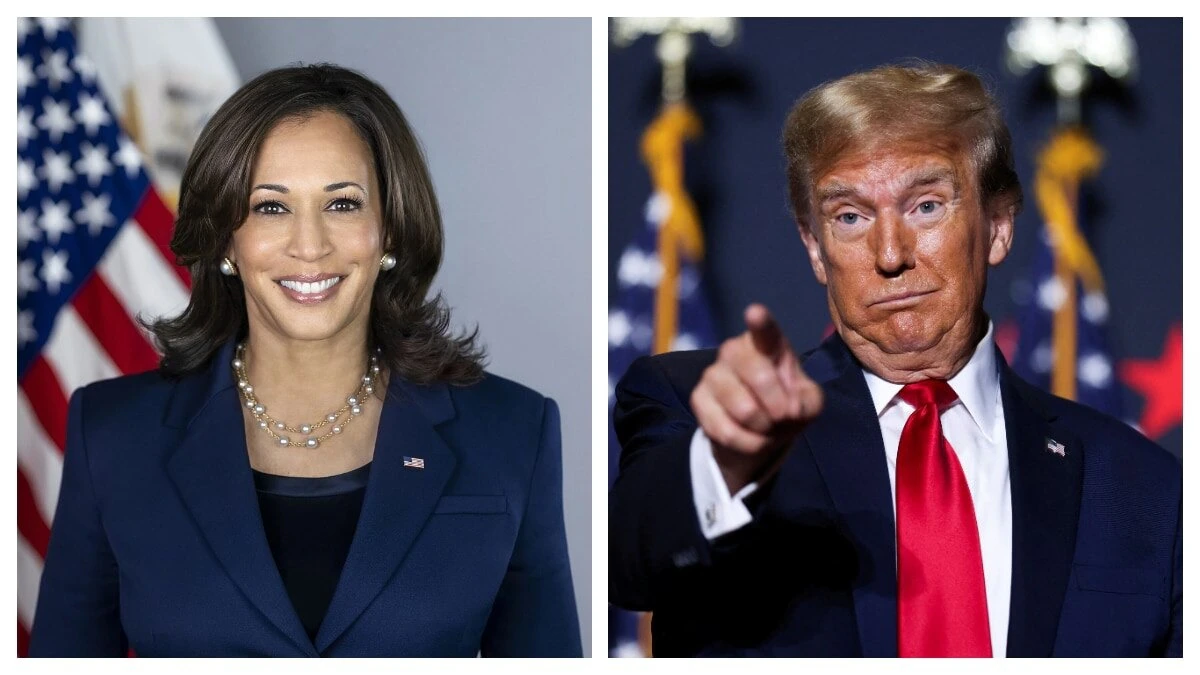
As the 2024 U.S. presidential election draws near, the competition between former President Donald Trump and current Vice President Kamala Harris has become increasingly intense. While polls indicate a close race, betting markets tell a contrasting story, consistently giving Trump a higher chance of victory.
As political enthusiasts and analysts examine this electoral duel, an interesting dynamic emerges between the traditional polling data and the betting markets, which suggest that Trump may have a more significant edge than anticipated.
The Betting Market Advantage: Trump Leads Over Harris
Polls and betting markets often offer different perspectives on election outcomes, and this race is no exception. Polls suggest a neck-and-neck battle between Trump and Harris, reflecting voter sentiment across the nation. However, betting markets are leaning heavily in favor of Trump, painting him as the likely winner.
According to Polymarket, as of October 15, Trump’s chances of winning the election stand at 58%, compared to Harris’s 42%. This forecast is not an anomaly, as other betting platforms also showcase a similar trend.
On PredictIt, Trump holds a 54% chance, while Harris lags at 49%. Major platforms like Betfair, Smarkets, and Bovada reflect similar predictions, placing Trump in the lead with margins ranging between 52% and 56%. Harris, on the other hand, trails with percentages between 43% and 46%.
Read : More Billionaires Supporting Kamala Harris Than Donald Trump
These market predictions are particularly striking, considering that traditional polling data shows a much tighter contest. Trump and Harris are neck-and-neck in key battleground states, such as Pennsylvania, Michigan, and Wisconsin.
Read : Trump Challenges Biden to Golf Match with $1 Million Charity Bet
Yet, in betting markets, Trump maintains a comfortable lead in most of these crucial regions. For instance, in Arizona, Trump has a 68% chance of winning according to Polymarket, while Harris holds only 32%. In Georgia, Trump is predicted to win with a 64% chance, compared to Harris’s 36%.
Such predictions raise important questions about the role of betting markets in forecasting election outcomes and why these platforms are so bullish on Trump despite the polls suggesting otherwise.
Swing States: The Key to Trump’s Betting Market Success
A crucial factor behind Trump’s strong showing in betting markets is his perceived advantage in swing states. Swing states are notoriously difficult to predict, as they tend to oscillate between Democratic and Republican candidates in each election.
These states—such as Arizona, Georgia, Pennsylvania, Michigan, Wisconsin, and Nevada—are often the battlegrounds that determine the overall outcome of the U.S. presidential election.
In these states, Trump is seen as having a significant edge. In Arizona, betting markets place Trump ahead with 68% to Harris’s 32%. In Georgia, Trump holds a 64% chance of winning compared to Harris’s 36%.
Trump also leads in Pennsylvania (57% to 43%), Michigan (54% to 46%), and Wisconsin (53% to 47%). The only exception among these battlegrounds is Nevada, where Harris holds a narrow 51% advantage over Trump’s 49%.
These swing states carry significant weight in the Electoral College, and a strong performance in just a few of them can drastically influence the final outcome.
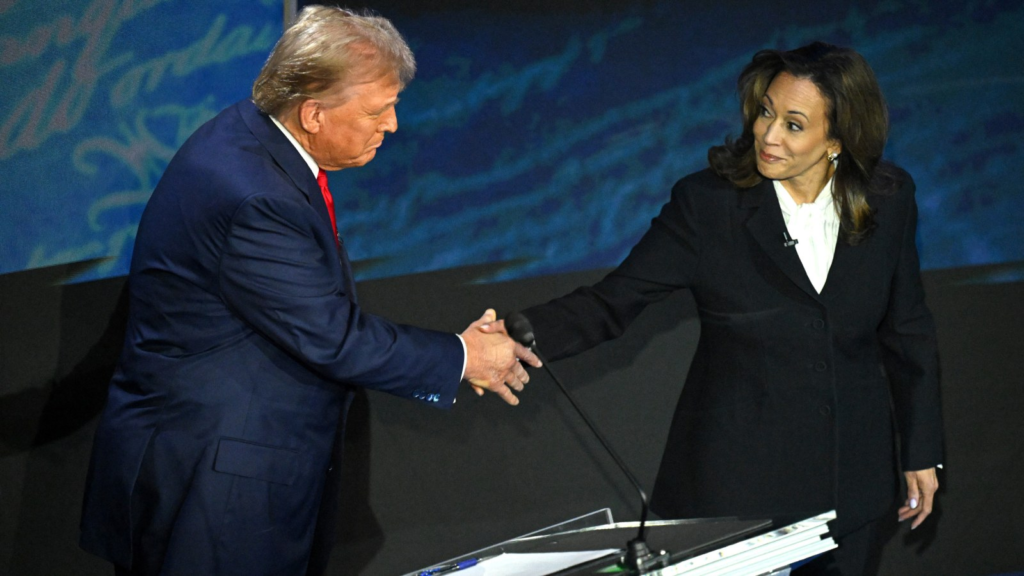
Trump’s lead in these regions on betting platforms suggests that market participants believe his strategy and appeal in these areas will be decisive. In contrast, polling data shows a much tighter race in these states, with many polls indicating a near tie in places like Wisconsin, Michigan, and Pennsylvania.
One possible explanation for this discrepancy is that betting markets factor in more than just current polling data. They take into account broader variables such as campaign dynamics, voter turnout efforts, and momentum shifts, which may not be fully reflected in traditional polls.
Additionally, the betting market participants—who often have financial stakes—may have access to a wide range of information that informs their predictions, including media coverage, social media trends, and expert commentary.
The Betting Market Versus Traditional Polls: Why the Difference?
The divergence between betting markets and polls is not a new phenomenon, but it has become more pronounced in the current election cycle.
While polls aim to capture a snapshot of voter preferences at a specific point in time, betting markets attempt to predict the final outcome of an election. This leads to important differences in how each system operates and the factors they consider.
Traditional polling data is based on surveys of registered or likely voters. Pollsters analyze this data to determine voter sentiment and predict which candidate may have the upper hand in a given state or nationwide. However, polling data is not without its limitations.
Factors such as the accuracy of voter turnout models, response biases, and the timing of the polls can all impact their accuracy. Polls are also vulnerable to last-minute shifts in voter behavior that can alter the outcome.
Betting markets, on the other hand, are driven by real-time wagers made by participants who are betting their own money on the outcome. This creates a different kind of incentive structure.
Market participants are not just expressing their opinion—they are backing their predictions with financial stakes. In theory, this should lead to more accurate forecasts, as participants have a vested interest in gathering the best possible information before placing their bets.
Supporters of betting markets argue that they are often more reliable than traditional polling data because they aggregate information from a wide range of sources.
These sources include not only polling data but also media reports, social media sentiment, expert opinions, and other factors that might influence the election. As a result, betting markets are seen as incorporating a more holistic view of the election landscape.
However, critics of betting markets point out that they are not immune to manipulation. Unusual betting patterns, such as sudden large bets on one candidate, can distort the odds and give a misleading picture of the race.
Some skeptics argue that endorsements from influential figures—such as Elon Musk—could also sway market sentiment in unpredictable ways, creating an artificial boost for certain candidates.
The New York Times recently questioned the accuracy of these markets, suggesting that external factors may be distorting the odds in favor of Trump.
Additionally, betting markets are prone to fluctuations and volatility, especially in the weeks leading up to the election. As new information becomes available, the odds can shift dramatically, making it difficult to rely on these markets as a definitive predictor.
Despite these concerns, many political analysts continue to watch betting markets closely, seeing them as a valuable complement to traditional polling data.
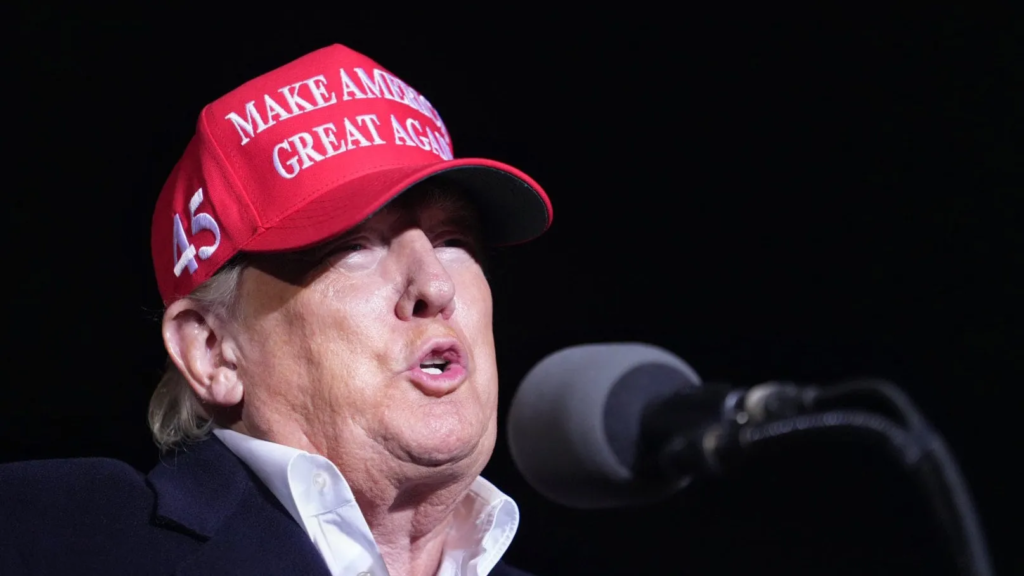
The betting markets are currently showing a clear preference for Donald Trump over Kamala Harris in the 2024 U.S. presidential election. While traditional polls suggest a much tighter race, betting markets consistently place Trump in the lead, particularly in key battleground states. This discrepancy raises important questions about the accuracy and reliability of these two forecasting systems.
While betting markets have their flaws, they are viewed by many as offering a more dynamic and comprehensive picture of the election landscape. The willingness of market participants to back their predictions with financial stakes suggests that there is significant confidence in Trump’s chances of winning.
However, with the election still weeks away, much can change, and the volatility of betting markets means that these predictions should be taken with caution.
As the campaign progresses, both traditional polls and betting markets will continue to play a crucial role in shaping public perception of the race. Ultimately, the true test will come on election day when voters cast their ballots and determine who will lead the United States for the next four years.